


OLACDE Highlights the Energy Sector’s Role in Industrial Decarbonization in LAC
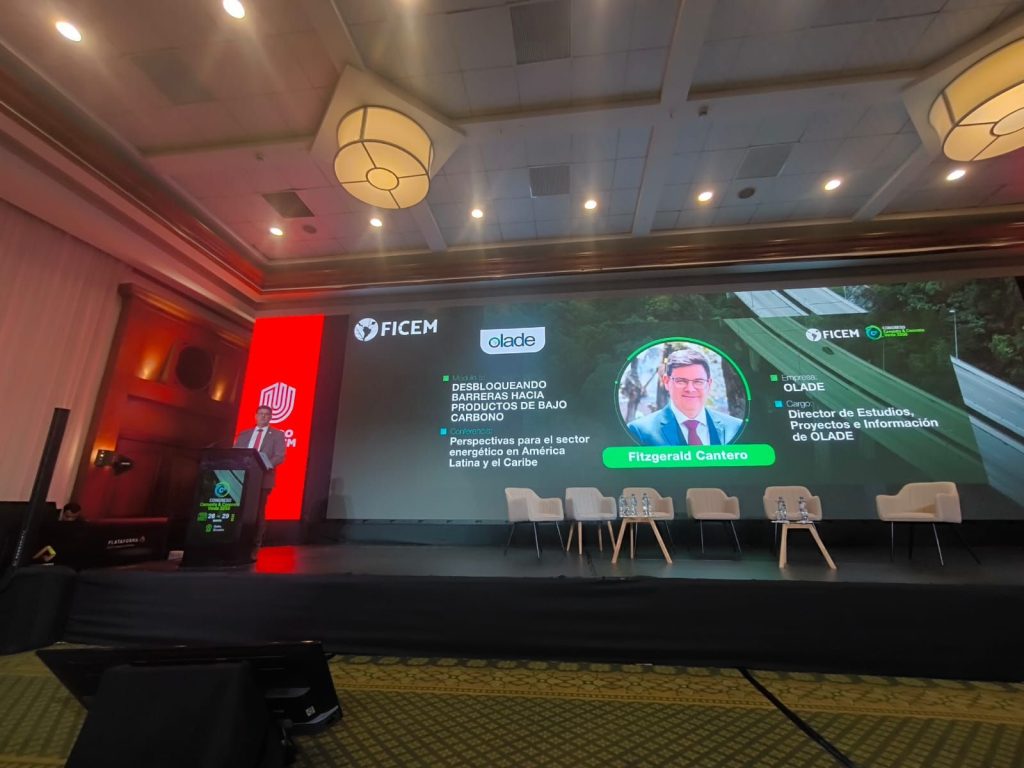
Within the framework of the Green Cement & Concrete 2050 Congress, Fitzgerald Cantero Piali, Director of Studies, Projects and Information at the Latin American and Caribbean Energy Organization (OLACDE), shared strategic information on the role of the energy sector in industrial decarbonization in Latin America and the Caribbean. During his remarks, Cantero noted that transport […]
OLACDE Promotes Resilient Electricity Grids
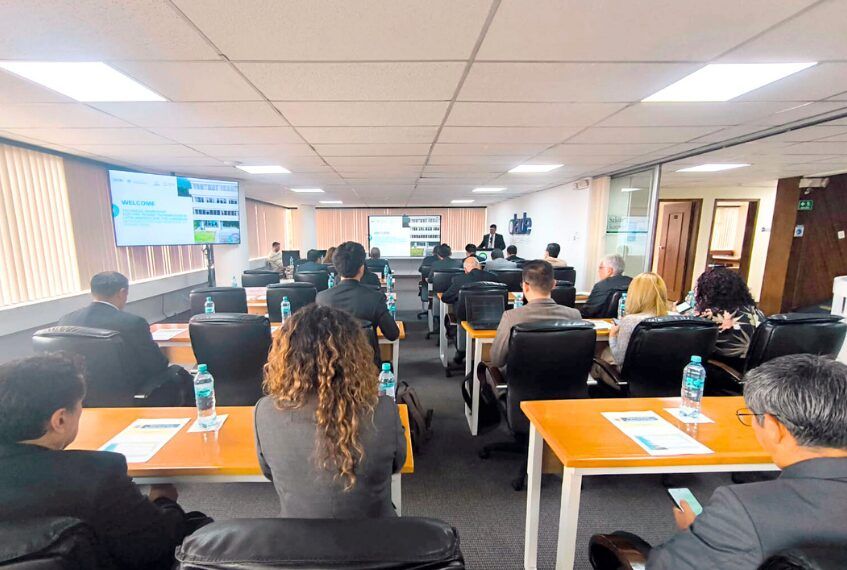
The Latin American and Caribbean Energy Organization (OLACDE) held the technical workshop “Electricity Transmission in Latin America and the Caribbean: Modernization and Resilience of Electrical Grids”, aimed at fostering the exchange of experiences and knowledge on the main advances, challenges and opportunities in developing modern, efficient and sustainable electrical grids in the region. This technical […]
OLACDE–FICEM Agreement for Sustainability
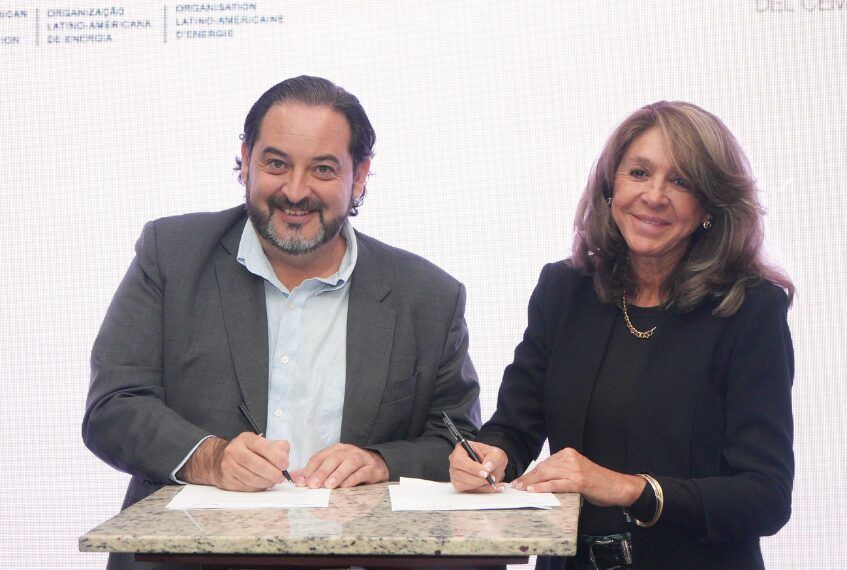
The Latin American and Caribbean Energy Organization (OLACDE) and the Inter-American Cement Federation (FICEM), represented by their Executive Secretary, Andrés Rebolledo, and their Executive Director, María José García, respectively, signed a Memorandum of Understanding aimed at boosting the energy sustainability of the cement sector in Latin America and the Caribbean. This agreement will make it […]
Natural Gas: A Driver of Energy Integration and Sustainable Transition in LAC
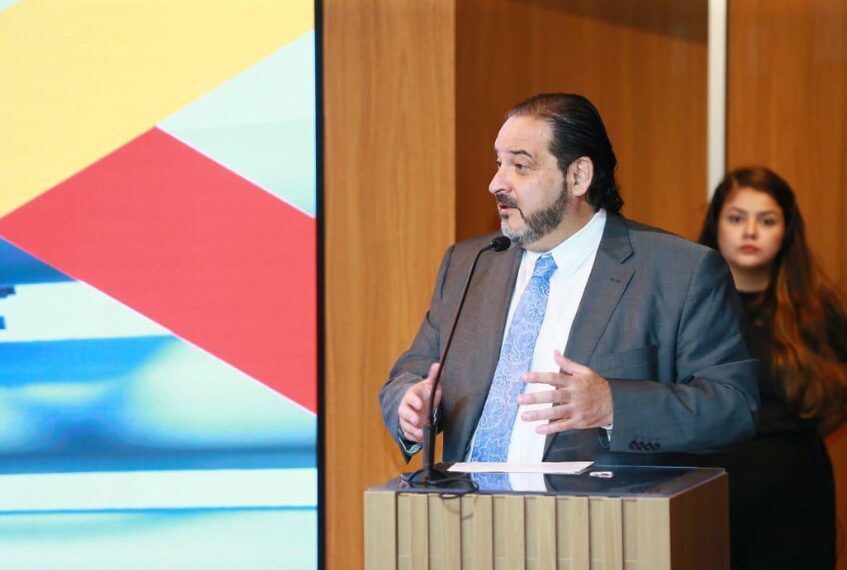
The Executive Secretary of the Latin American and Caribbean Energy Organization (OLACDE), Andrés Rebolledo, took part in the seminar “Challenges and Solutions for Regional Gas Integration”, organized by Brazil’s Ministry of Mines and Energy, where he highlighted the role of natural gas in the energy integration of the Southern Cone. During his remarks, Rebolledo pointed […]
In March 2025, LAC Recorded Its Lowest Energy Inflation in Six Months
The Latin American and Caribbean Energy Organization (OLACDE) has published the Energy Inflation Indicator for Latin America and the Caribbean (IE-LAC) for March 2025, which reached just 0.01%, with year-on-year inflation of 1.15% Monthly energy inflation in March 2025 reached 0.01%, the lowest figure since October 2024. Comparing March’s inflation this year with that of […]
OLACDE Presents Key Findings on Clean Cooking at High-Level Regional Webinar
The Latin American and Caribbean Energy Organization (OLACDE) held the webinar “Energy Transition in the Residential Sector – Results and Proposals for Latin America”, at which the main findings of the regional study on energy transition in the residential sector were presented. This activity was carried out under the ETRELA project, with support from the […]
Latin America and the Caribbean Triple the Number of Electric Vehicles in 2024 and Accelerate Sales in 2025
By the end of 2024, the number of light electric vehicles in Latin America and the Caribbean reached 444,071 units, representing an almost threefold increase compared to the end of 2023. The transition to electric mobility in the region is advancing rapidly, according to the latest technical note, “Electric Mobility in Latin America and the […]
OLACDE launches 2025 call for the Energy Excellence Award with a new education category
The Latin American and Caribbean Energy Organization (OLACDE) opened the call for entries for the second edition of the OLACDE Energy Excellence Award, a regional recognition that honors the most outstanding energy sector projects in Latin America and the Caribbean. The award aims to showcase and recognize institutions, communities, organizations, and companies that promote a […]
OLACDE takes part in the II Business Forum of the Ibero-American Association of Energy Regulators in Costa Rica
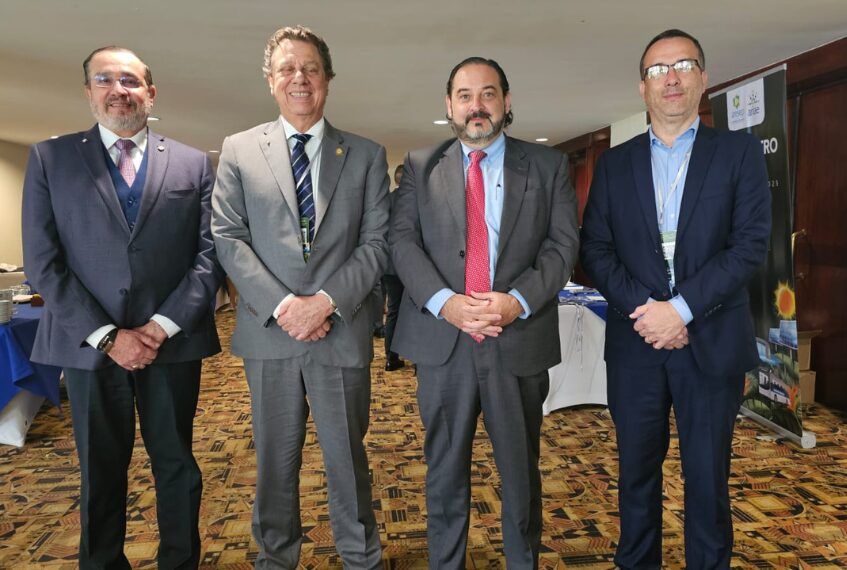
The Latin American and Caribbean Energy Organization (OLACDE), through its Executive Secretary, Andrés Rebolledo, took part in the II Business Forum of the Ibero-American Association of Energy Regulatory Entities (ARIAE), held in San José, Costa Rica. The event brought together 180 representatives of the energy sector, including regulatory authorities, business leaders, and international organizations such […]
OLACDE and OEMLAC convene the Second Methane Summit of Latin America and the Caribbean
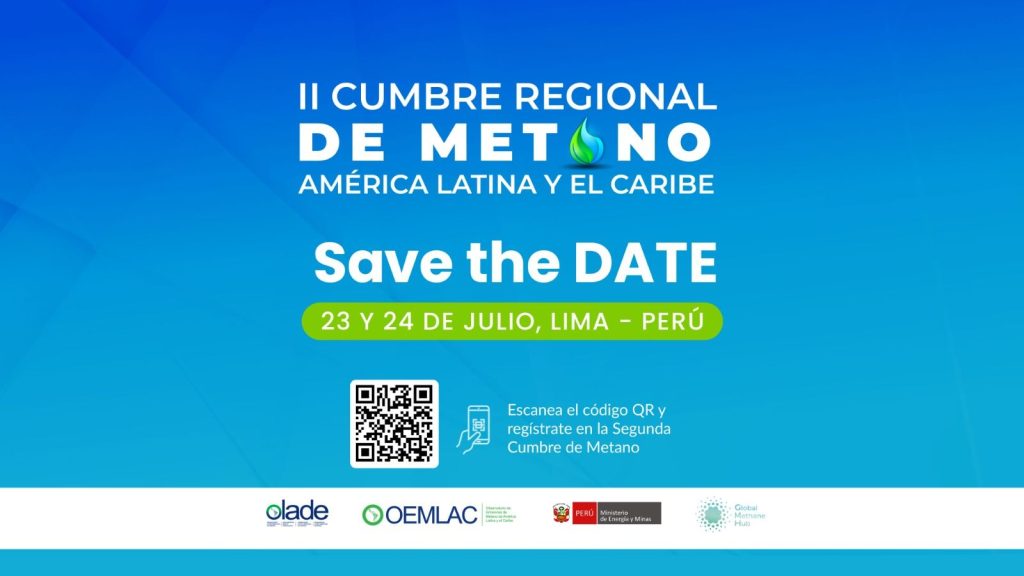
We are pleased to announce the Second Regional Methane Summit of Latin America and the Caribbean 2025, to be held on July 23 and 24, 2025, in the city of Lima, Peru. This event, organized by the Latin American and Caribbean Energy Organization (OLACDE) together with Peru’s Ministry of Energy and Mines (MINEM) and the […]
