


OLACDE Launches Specialized Course on Critical Minerals and Their Role in the Energy Transition
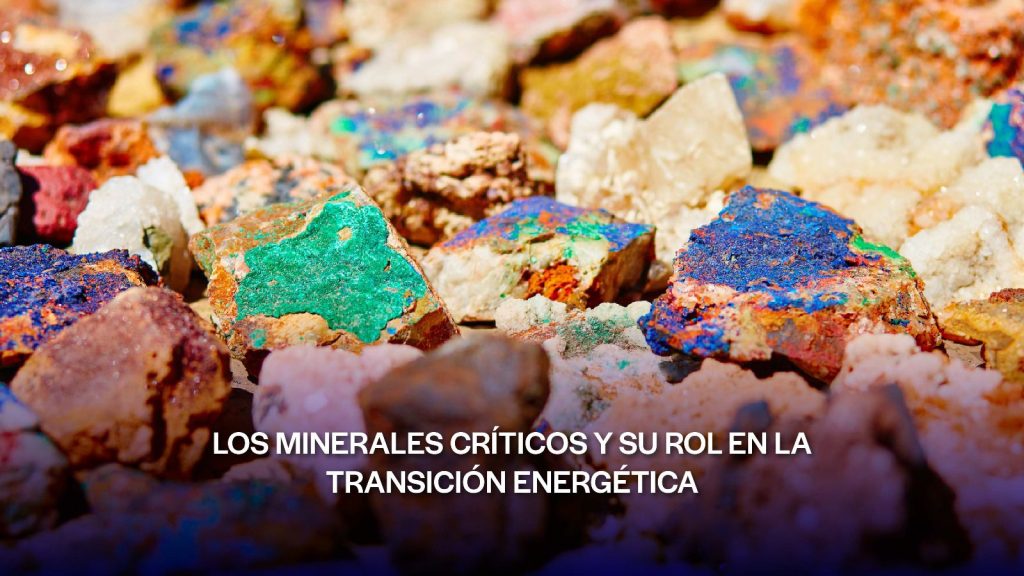
The Latin American and Caribbean Energy Organization (OLACDE) launched the free virtual course “Critical Minerals and Their Role in the Energy Transition,” a training initiative designed to strengthen technical capacities in light of the growing prominence of these resources in global decarbonization, renewable energy, and electromobility. The course is taught by Gastón Siroit, OLACDE Technical […]
OLACDE Highlights Challenges and Opportunities for Accelerating the Renewable Energy Transition
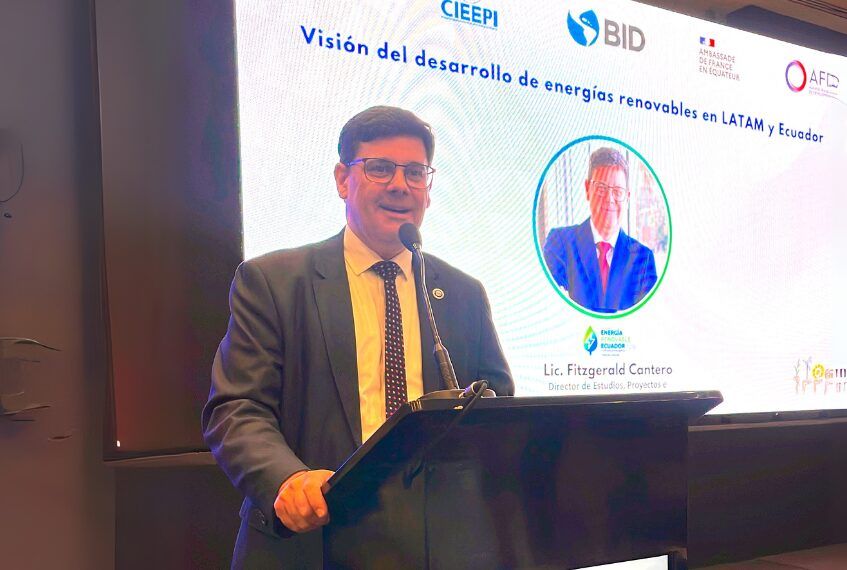
The Ecuador 2025 Renewable Energy and Energy Efficiency Seminar was the setting for an important technical analysis of the national and regional energy situation. Representing the Latin American and Caribbean Energy Organization (OLACDE), Fitzgerald Cantero Piali, Director of Studies, Projects and Information, addressed the challenges of the energy transition and the urgent need to diversify […]
OLACDE Fosters Regional Energy Integration with a Common Roadmap for Planning
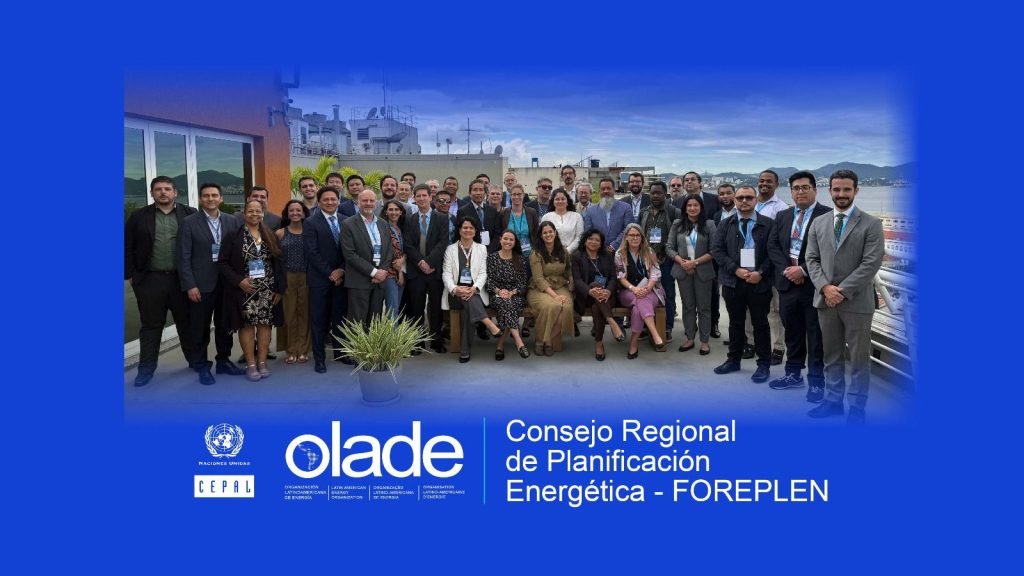
This past June 5 and 6, 20 nations of Latin America and the Caribbean advanced the creation of a common roadmap for coordinated and resilient energy planning, in the context of the II Meeting of the Regional Energy Planning Council and the VIII Meeting of the Regional Forum of Energy Planners (FOREPLEN). These events were […]
OLACDE Took Part in Regional Political Dialogue on Climate Action and Just Transition
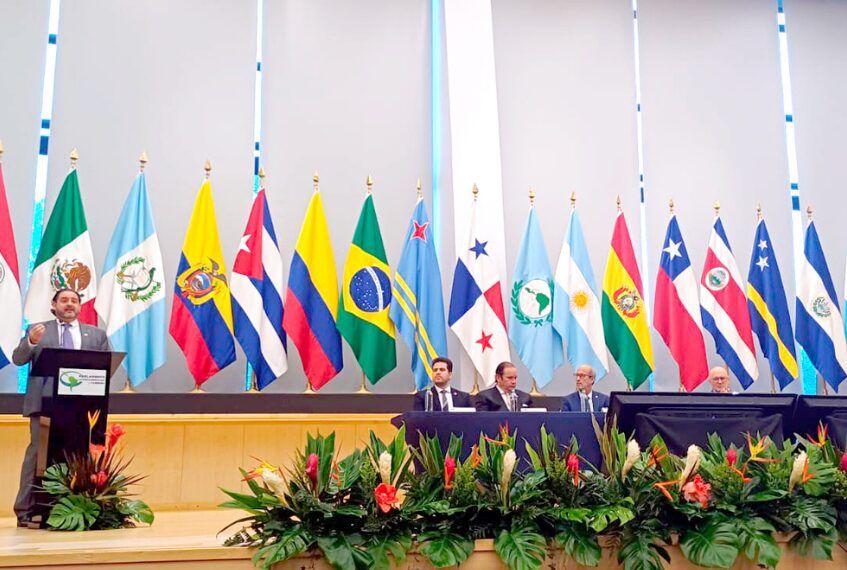
The Latin American and Caribbean Energy Organization (OLACDE) took part in the event “Parliaments in Climate Action and Just Transition,” organized by the Latin American and Caribbean Parliament in Panama, within the framework of the Parliamentary Alliance for Climate Action and Just Transition (APACTJ). The gathering brought together legislative leaders from the region to strengthen […]
OLACDE and UNEP Sign Memorandum of Understanding to Accelerate Regional Energy Decarbonization
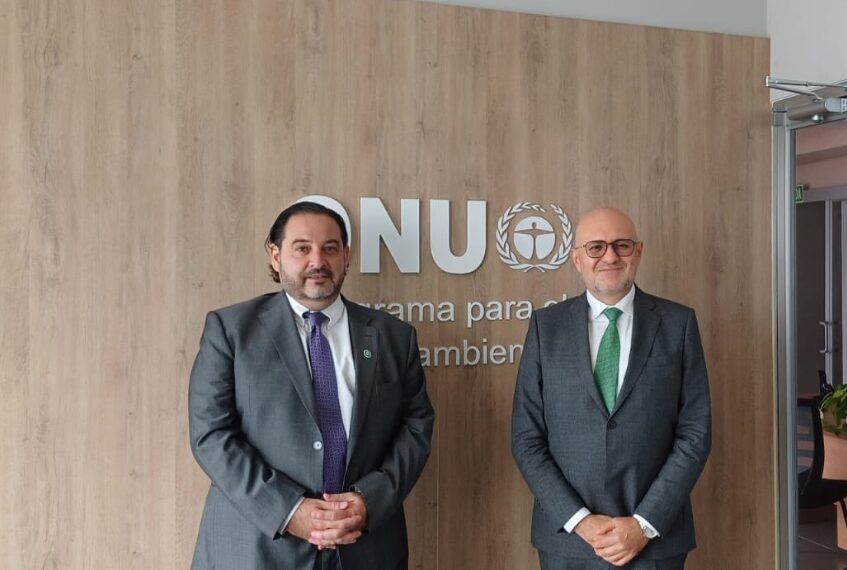
OLACDE and UNEP signed a Memorandum of Understanding that establishes a strategic cooperation framework through 2030. This alliance strengthens collaboration between both institutions to effectively address climate challenges in Latin America and the Caribbean, promoting sustainable, inclusive, and resilient energy development. The agreement was signed by Andrés Rebolledo, Executive Secretary of OLACDE, and Juan Bello, […]
University of Chile and OLACDE Co-Host International Youth Energy Summit
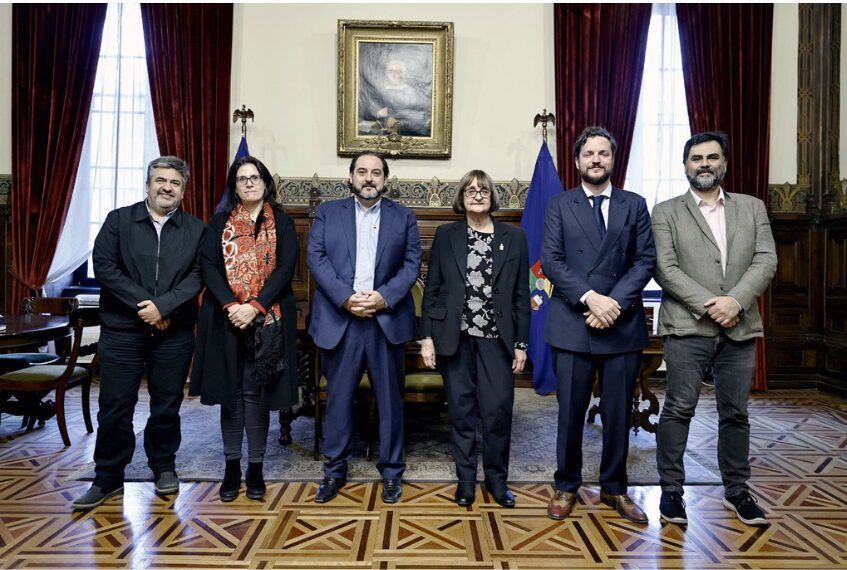
The Executive Secretary of the Latin American and Caribbean Energy Organization, Andrés Rebolledo, visited the Casa Central of the University of Chile to meet with Rector Rosa Devés and other university authorities. One of the main topics of conversation was the 1st Latin American and Caribbean Youth Energy Summit, which will be held at the […]
Latin America and the Caribbean Increase Electricity Generation in January 2025, Driven by Natural Gas
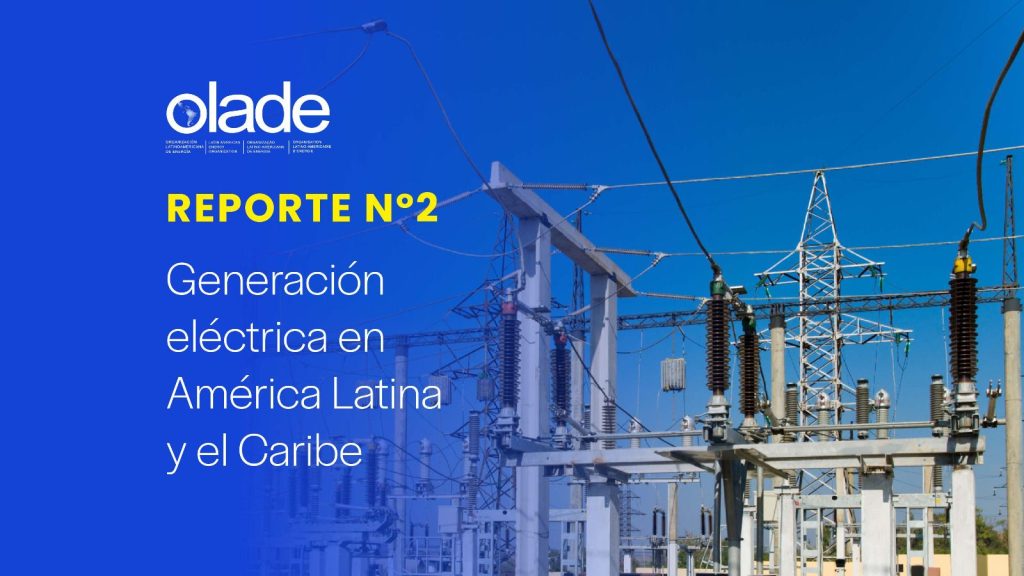
The region produced a total of 162 TWh, representing 8% growth compared to December 2024, with a notable renewability index of 65%, driven by 105 TWh from renewable sources and a significant increase in the contribution of natural gas, which rose by 5.4 TWh. Hydropower remains the leading source in the region, accounting for 45.5% […]
The Region Expects to Double Gas Supply Over the Next Fifteen Years, Driven by Argentina and Brazil
CAF – development bank of Latin America and the Caribbean – and the Latin American and Caribbean Energy Organization (OLACDE) held a technical meeting in Buenos Aires focused on the future of natural gas in the Mercosur countries and Chile. This event coincided with the closing of the second phase of the Regional Gas Integration […]
European Union and the Latin American and Caribbean Energy Organization Sign Important Agreement
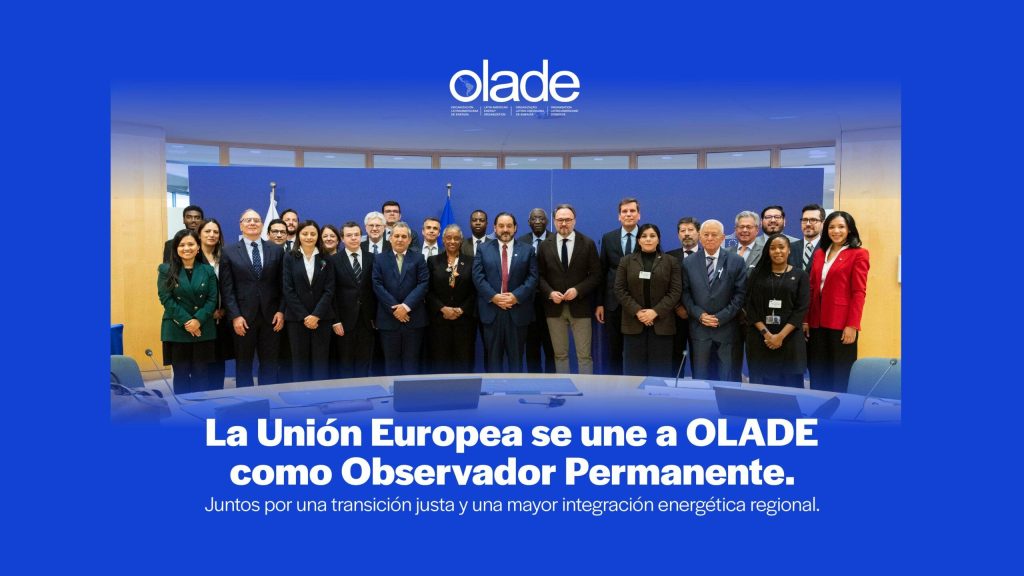
A Memorandum of Understanding was signed between the European Union (EU) and the Latin American and Caribbean Energy Organization (OLACDE), providing for the EU’s accession as a Permanent Observer to OLACDE. This Agreement represents a highly significant step in strengthening international energy cooperation and reinforces dialogue and joint work between both regions to accelerate decarbonization, […]
OLACDE Reaffirms Regional Commitment to a Just and Inclusive Energy Transition in Copenhagen
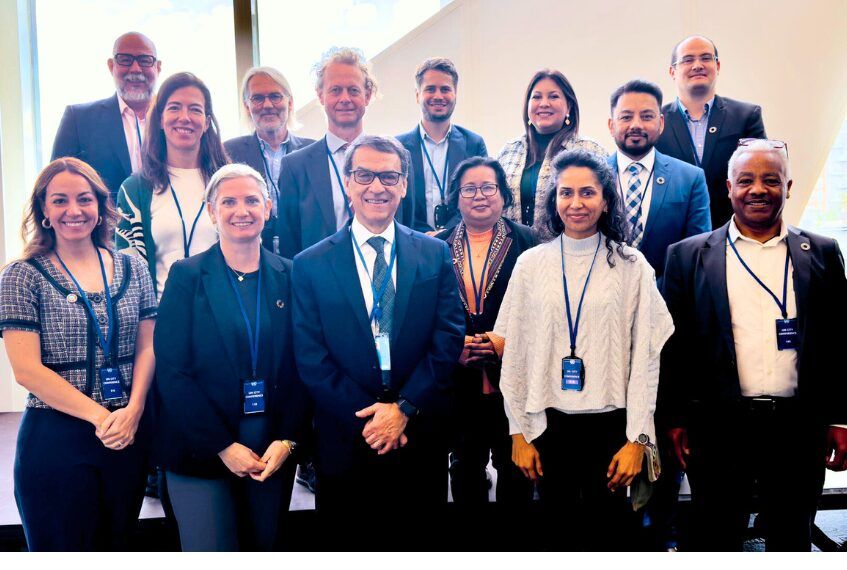
Gloria Alvarenga, Director of Integration, Access and Energy Security at the Latin American and Caribbean Energy Organization (OLACDE), held an active work agenda during the Sixth Global Conference on Energy and SDG Synergies, organized by UNDESA, UNFCCC and multilateral organizations. During the technical forum on water-energy synergies, Alvarenga stated: “There is no energy transition without […]
