


Youth and Energy: OLACDE Promotes the Inclusion of a New Generation in Energy Decision-Making
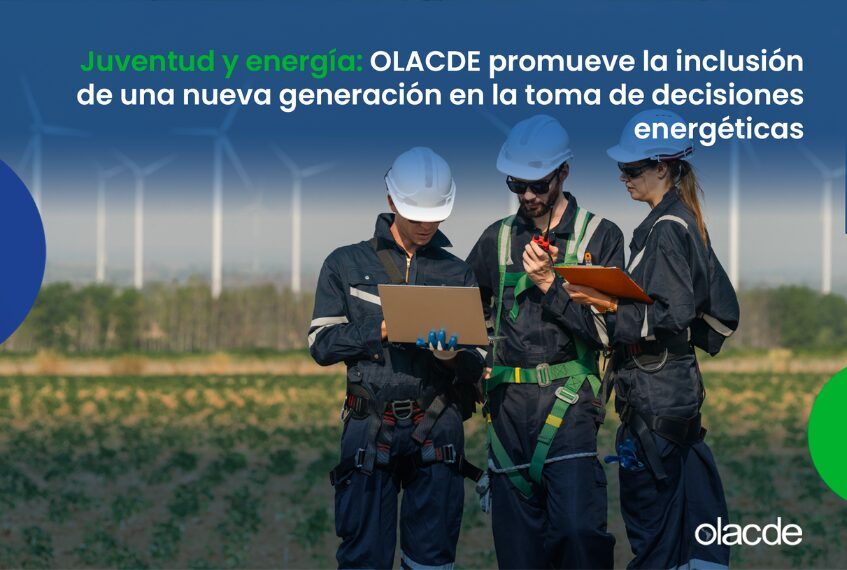
The energy transition in Latin America and the Caribbean is no longer just a discussion about technology or emissions reduction. It has become a strategic contest for economic leadership, energy security, and control of critical value chains. Against this backdrop, the Latin American and Caribbean Energy Organization (OLACDE) has put a new political actor on […]
OLACDE and the National University of Rosario Open Enrollment for the Third Edition of the Master’s in Energy Transitions
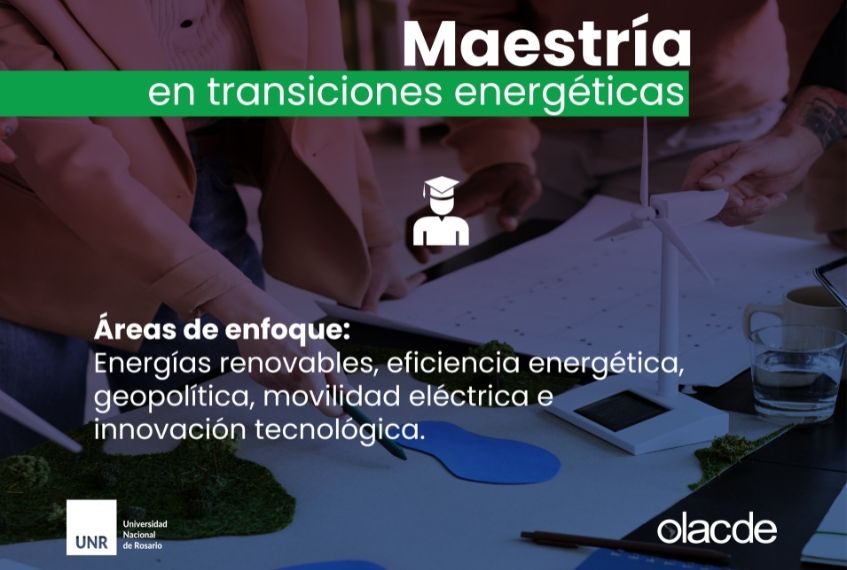
In a global context marked by climate urgency, energy security, and the reconfiguration of international energy markets, the Latin American and Caribbean Energy Organization (OLACDE), together with the National University of Rosario (UNR), announce that enrollment is now open for the third edition of their Master’s in Energy Transitions. This advanced academic program is designed […]
Latin America and the Caribbean maintains its leadership in renewable energy, but faces new challenges in its electricity mix
Latin America and the Caribbean has one of the cleanest electricity mixes in the world. According to the Monthly Electricity Generation Report of the Latin American and Caribbean Energy Organization (OLACDE), 158 terawatt hours (TWh) of electricity were generated in February 2026. This reflects a system in which renewable energy accounts for 67.7%, while fossil […]
LAC Oil Production Tops 370 Million Barrels in February, a 27% Year-on-Year Increase
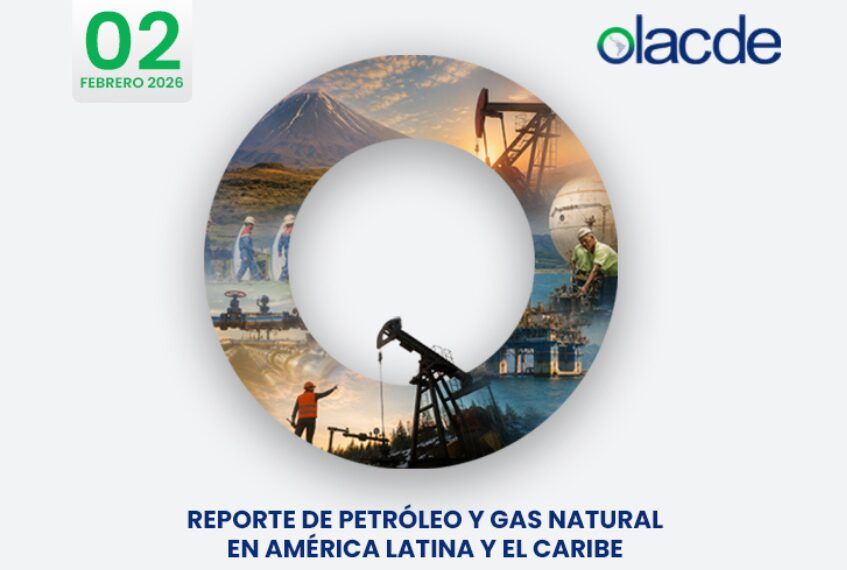
The region is entering a new phase of expansion in the hydrocarbon sector. According to the latest Oil and Natural Gas Report from OLACDE, oil production rose 27% year-on-year in February 2026, reaching 377 million barrels, compared to 298 million in the same month of the previous year. This increase reflects a significant restructuring of […]
Webinar
El Niño 2026–2027:
Monitoring, Forecast, and Expected Impacts on the LAC Energy Sector
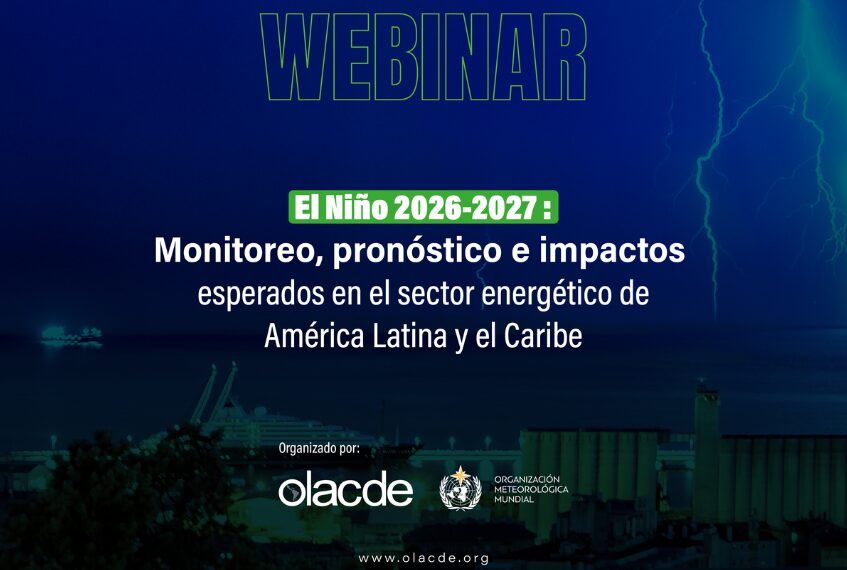
The Latin American and Caribbean Energy Organization (OLACDE) and the World Meteorological Organization (WMO) invite you to take part in the regional webinar: El Niño 2026–2027: monitoring, forecast, and expected impacts on the energy sector of Latin America and the Caribbean. The WMO warns of an 80% probability of El Niño conditions developing between June […]
Journalism at the Global Epicenter: Latin American and Caribbean Press Steps Into the Core of the Energy Transition in Brussels
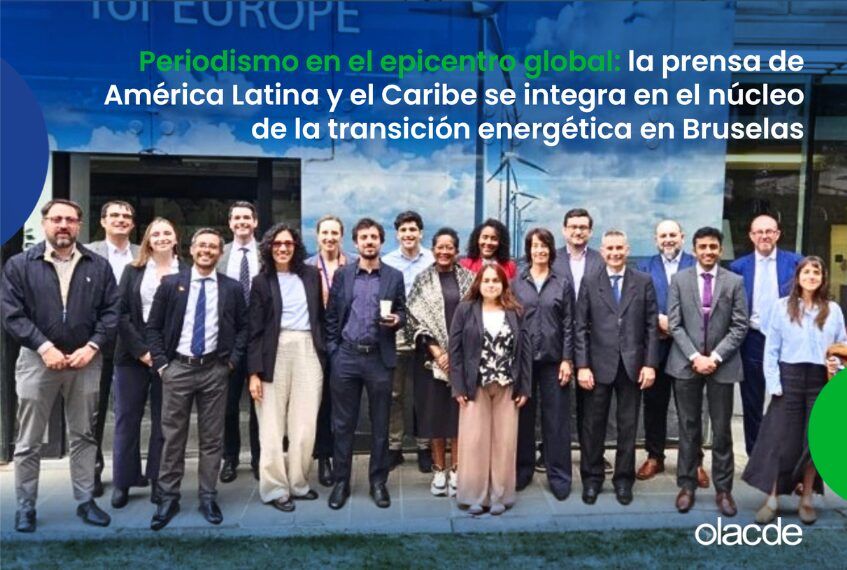
From June 7 to 12 of this year, the Belgian capital became the meeting point for a strategic journalistic network focused on a sustainable future. As part of the Study Tour EU Climate Dialogues 2 (EUCDs2)—a joint initiative between the European Union (EU), German cooperation agency GIZ, and OLACDE—a delegation of 15 journalists from Latin […]
Middle East Oil Shock Drives Energy Inflation in Latin America and the Caribbean to Its Highest Level in a Year
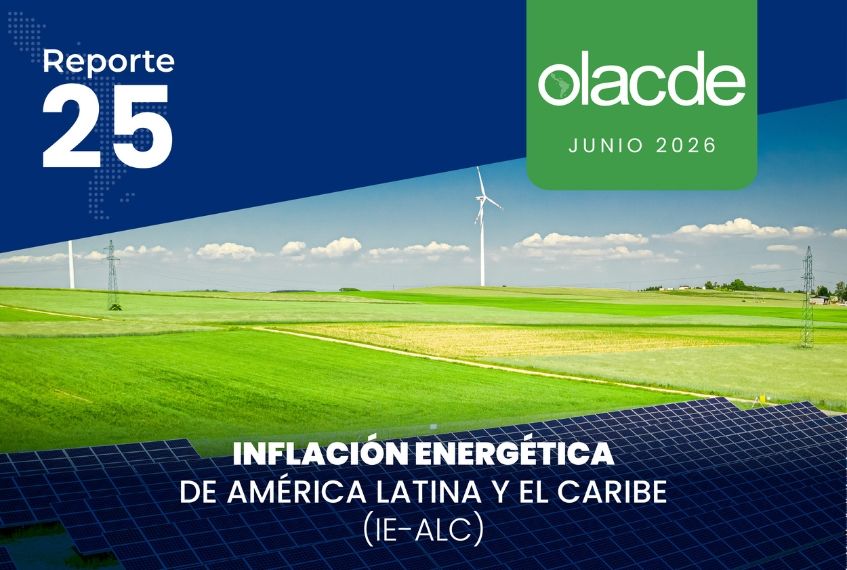
The armed conflict in the Middle East and the resulting disruption of global trade through the Strait of Hormuz have triggered a turning point for the economy of Latin America and the Caribbean (LAC). According to our latest report, the region’s monthly energy inflation rose sharply in March 2026, reaching 1.42%. This figure represents a […]
OLACDE and CELAC promote regional energy integration and security in Montevideo with a horizon to 2040
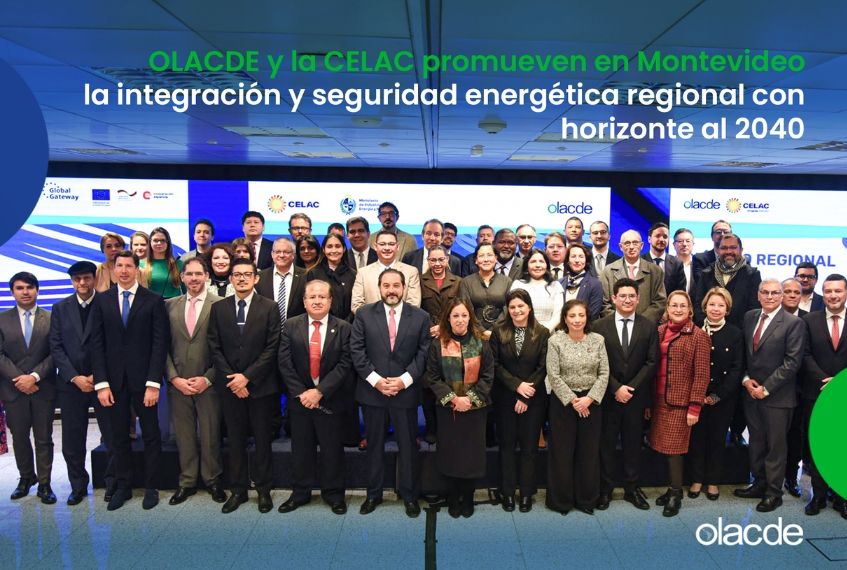
The Latin American and Caribbean Energy Organization (OLACDE) and the Community of Latin American and Caribbean States (CELAC) presented the Indicative Regional Electricity Interconnection Plan with a horizon to 2040 on Wednesday, June 17, in Montevideo. The initiative—driven together with the European Union through the Euroclima program and implemented with GIZ—sets out a long-term vision […]
OLACDE and Brazil’s MME Promote Regional Debate on Reducing Methane Emissions and Developing Biomethane
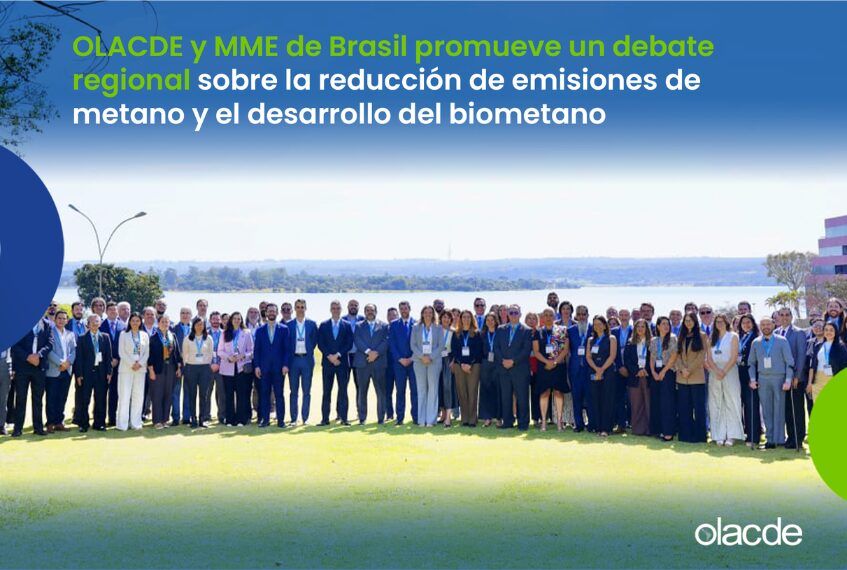
The Latin American and Caribbean Energy Organization (OLACDE) and Brazil’s Ministry of Mines and Energy (MME) held the III Regional Methane Summit on June 8 and 9. The event brought together governments, international organizations, companies, research centers, and specialists from Latin America and the Caribbean to discuss strategies for reducing methane emissions and opportunities to […]
Electricity Generation in Latin America and the Caribbean Rises 9.6% Thanks to Higher Hydropower Output
Latin America and the Caribbean (LAC) began 2026 with a solid rebound in electricity production. During January, the region recorded generation of 171 TWh, representing a 9.6% increase compared to the previous month. This growth is explained mainly by greater availability of water resources, as hydrological restrictions eased across regional power systems, according to the […]
