The region reached 68% renewable electricity generation, with a 4% year-on-year increase in total output.
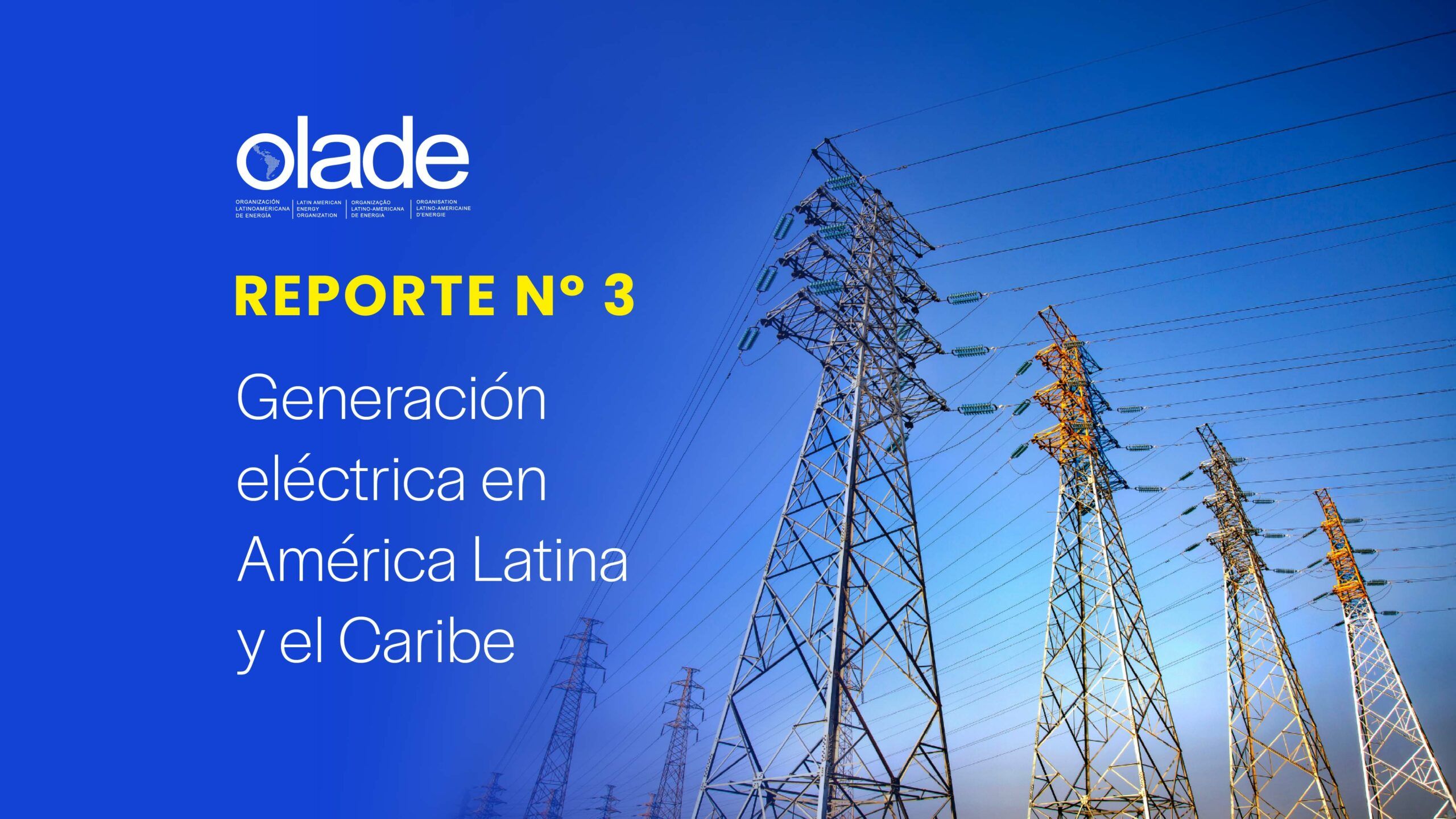
Electricity generation in Latin America and the Caribbean (LAC) totaled 152 terawatt-hours (TWh) in February 2025, with a renewability rate of 68%, the Latin American and Caribbean Energy Organization (OLACDE) reported in its monthly power generation report.
Other sources followed: natural gas contributed 22.7%, wind power accounted for 8.5%, while solar and nuclear energy contributed 4.5% and 2.4%, respectively; these figures reflect notable diversity within an energy system based predominantly on renewable resources.
Comparing annual figures, total output was higher than the previous year, a 4% increase from the 146 TWh recorded in February 2024, attributable mainly to significant improvements in hydroelectric performance (+8.5 TWh), together with smaller increases from both oil-fired and nuclear power generation.
Seven leading countries in the region achieved renewable electricity penetration rates above 75%; among them, Paraguay, Costa Rica, Brazil and Uruguay recorded rates even higher than 92%.
This information shows how the region’s energy transition toward cleaner, more sustainable power grids is progressively advancing, with reduced environmental impact, driven not only by the need to ensure energy security but also to foster conditions conducive to sustainable economic development throughout Latin America and the Caribbean.
The report can be reviewed at the following link: https://www.OLACDE.org/publicaciones/junio-2025-reporte-n-3-generacion-electrica-en-america-latina-y-el-caribe/