

Quito, October 16, 2026 – The Latin American and Caribbean Energy Organization (OLACDE) has successfully completed the implementation of the regional project “Energy Planning with Climate Change Risk Assessment (Screen ALC II),” an initiative developed with the support of the Spanish Agency for International Development Cooperation (AECID) through its Arauclima program.
The initiative’s main objective has been to strengthen the resilience of existing and planned energy infrastructure across the region by integrating advanced risk and vulnerability assessment tools for extreme weather events into sectoral planning processes.
Throughout the implementation of the project, which received technical assistance from the Tecnalia Foundation, the potential impacts of climate change on strategic infrastructure were assessed in five beneficiary countries: Honduras, Panama, Paraguay, the Dominican Republic, and Uruguay.
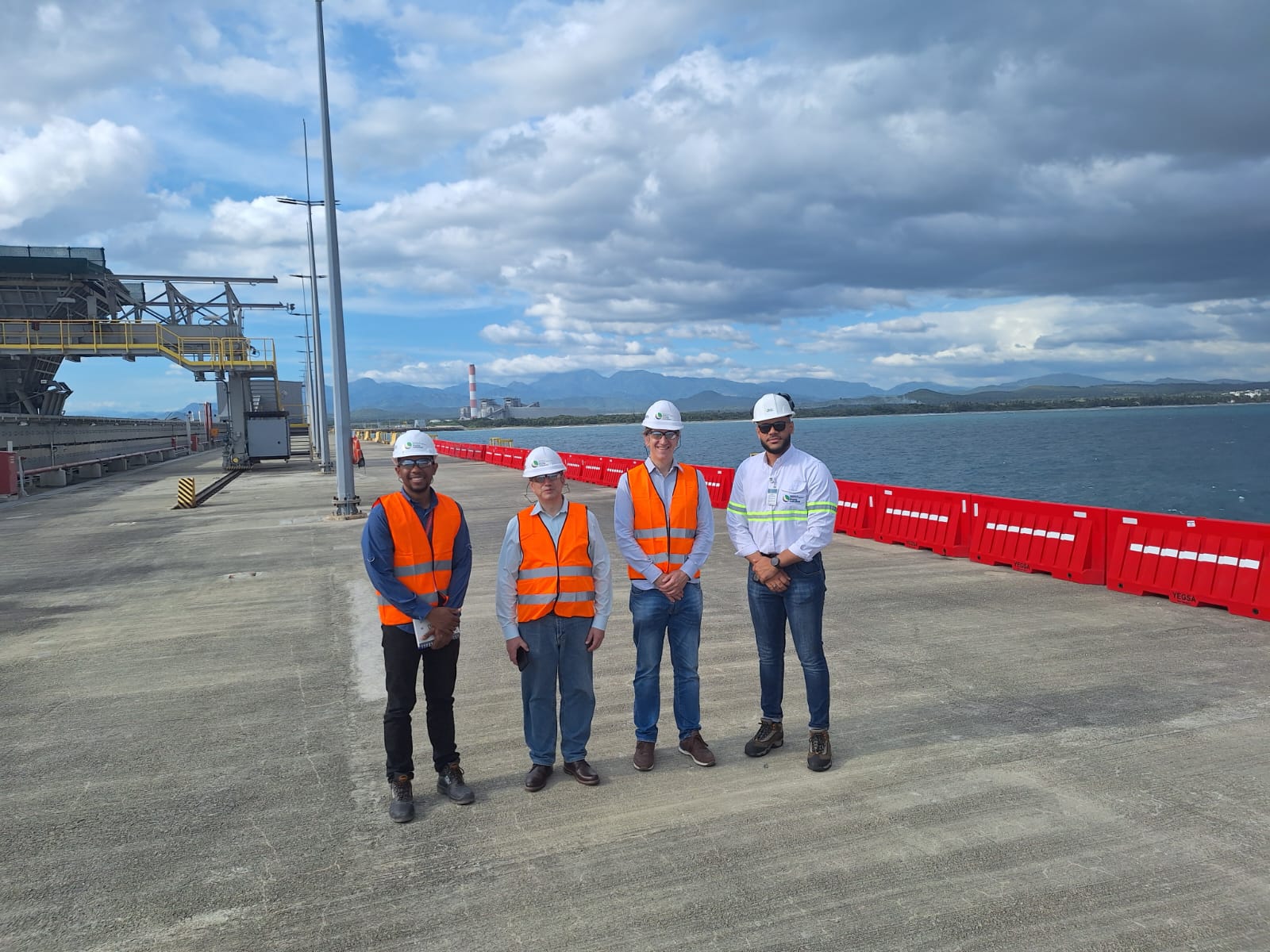
To this end, specialized technical workshops and field visits were conducted at key energy facilities across the region—including hydroelectric power plants, refineries, solar and wind farms, and transmission systems—enabling the collection of firsthand information in collaboration with national energy authorities and local operating companies.
As a key outcome, energy authorities and operators in the participating countries now have access to facility-specific risk assessment reports and a methodological guide designed to replicate these analyses across the rest of their critical infrastructure.
Through this initiative, OLACDE reaffirms its longstanding commitment to regional cooperation spanning more than five decades, promoting safer, more resilient, and climate-adapted energy systems capable of addressing the challenges posed by climate change.


