Experiences from Colombia, Brazil and Chile showed that early community engagement can help reduce conflicts, strengthen energy projects and broaden the benefits of the energy transition.
Early community engagement, trust-building and the creation of shared value are emerging as strategic factors for the development of energy projects across Latin America and the Caribbean. This was highlighted by experiences from Colombia, Brazil and Chile presented during the regional webinar Just Energy Transition, organized by the Latin American and Caribbean Energy Organization (OLACDE) as part of the implementation of its regional citizen participation agenda.
Opening the event, OLACDE Executive Secretary Andrés Rebolledo stressed that energy transitions are not merely technological shifts; they must be addressed systemically, engaging local communities through transparency, participation and mechanisms that create shared value in energy projects. He also underscored the importance of the lessons discussed during the webinar, which will contribute to the development of the Regional Citizen Participation Protocol and the Regional Experience Bank, as part of the implementation of Ministerial Decision LV/D/581.
In La Guajira, Colombia, the discussion highlighted that socio-environmental conflicts can cause operational disruptions costing up to US$20 million per week in large-scale projects. Juan Camilo Potes, from the Pan American Development Foundation (PADF), presented the experience of an electricity transmission project involving more than 280 prior consultation processes with Indigenous communities, alongside initiatives aimed at strengthening local capacities, infrastructure and productive development.
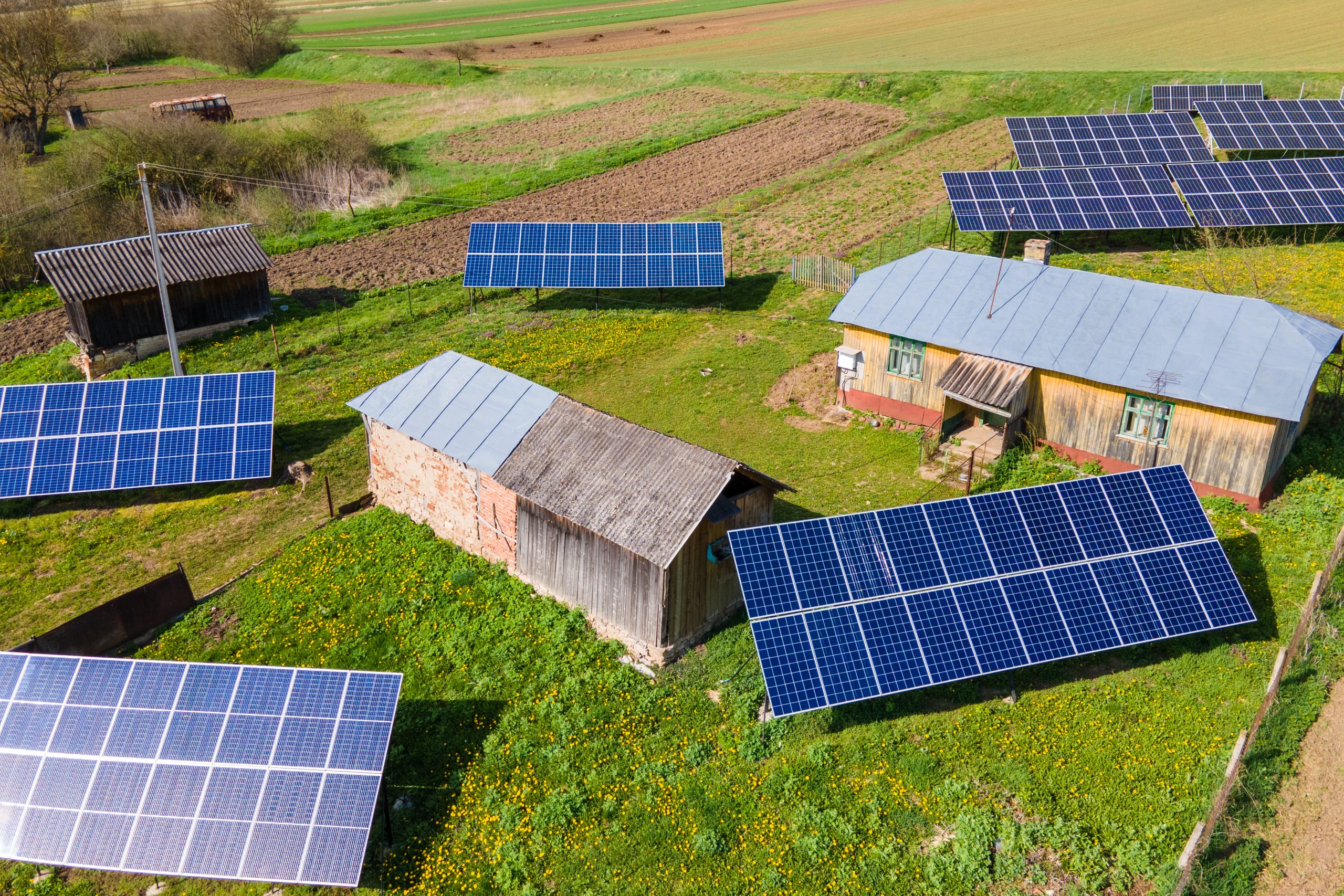
From Brazil, Henrique Frota of Instituto Pólis noted that 46% of families earning up to one minimum wage spend half or more of their income on energy, while only 3% of the subsidies analyzed for solar systems benefit low-income households. Community solar generation initiatives in São Paulo have reduced energy costs for common areas in social housing developments by approximately 75%, demonstrating the potential of renewable energy to broaden the social benefits of the transition.
Sara Larraín of Chile Sustentable explained that Chile agreed to phase out 28 coal-fired generating units by 2040. Against an initial target of eight closures by 2025, 14 units had ceased operations by the end of that year. Cecilia Dastre, Head of the Participation and Dialogue Division at Chile’s Ministry of Energy, added that replacing coal-fired generation will require approximately three times that capacity in renewable energy, together with new transmission infrastructure and energy storage.
In response to this challenge, Chile is promoting dialogue platforms involving communities, municipalities and companies, as well as community photovoltaic projects of approximately 300 kW supported through public-private financing.
The experiences presented converged on a common principle: engaging communities from the earliest stages can help identify risks, improve project design and move beyond compensation-based approaches toward long-term relationships and shared benefits. For OLACDE, this exchange forms part of an ongoing regional process that will continue through new initiatives aimed at strengthening citizen participation and systematizing good practices for energy transitions across Latin America and the Caribbean.