
OLACDE promotes an energy transition model based on territorial participation and shared value

Experiences from Colombia, Brazil and Chile showed that early community engagement can help reduce conflicts, strengthen energy projects and broaden the benefits of the energy transition.

Early community engagement, trust-building and the creation of shared value are emerging as strategic factors for the development of energy projects across Latin America and the Caribbean. This was highlighted by experiences from Colombia, Brazil and Chile presented during the regional webinar Just Energy Transition, organized by the Latin American and Caribbean Energy Organization (OLACDE) as part of the implementation of its regional citizen participation agenda.

Opening the event, OLACDE Executive Secretary Andrés Rebolledo stressed that energy transitions are not merely technological shifts; they must be addressed systemically, engaging local communities through transparency, participation and mechanisms that create shared value in energy projects. He also underscored the importance of the lessons discussed during the webinar, which will contribute to the development of the Regional Citizen Participation Protocol and the Regional Experience Bank, as part of the implementation of Ministerial Decision LV/D/581.

In La Guajira, Colombia, the discussion highlighted that socio-environmental conflicts can cause operational disruptions costing up to US$20 million per week in large-scale projects. Juan Camilo Potes, from the Pan American Development Foundation (PADF), presented the experience of an electricity transmission project involving more than 280 prior consultation processes with Indigenous communities, alongside initiatives aimed at strengthening local capacities, infrastructure and productive development.

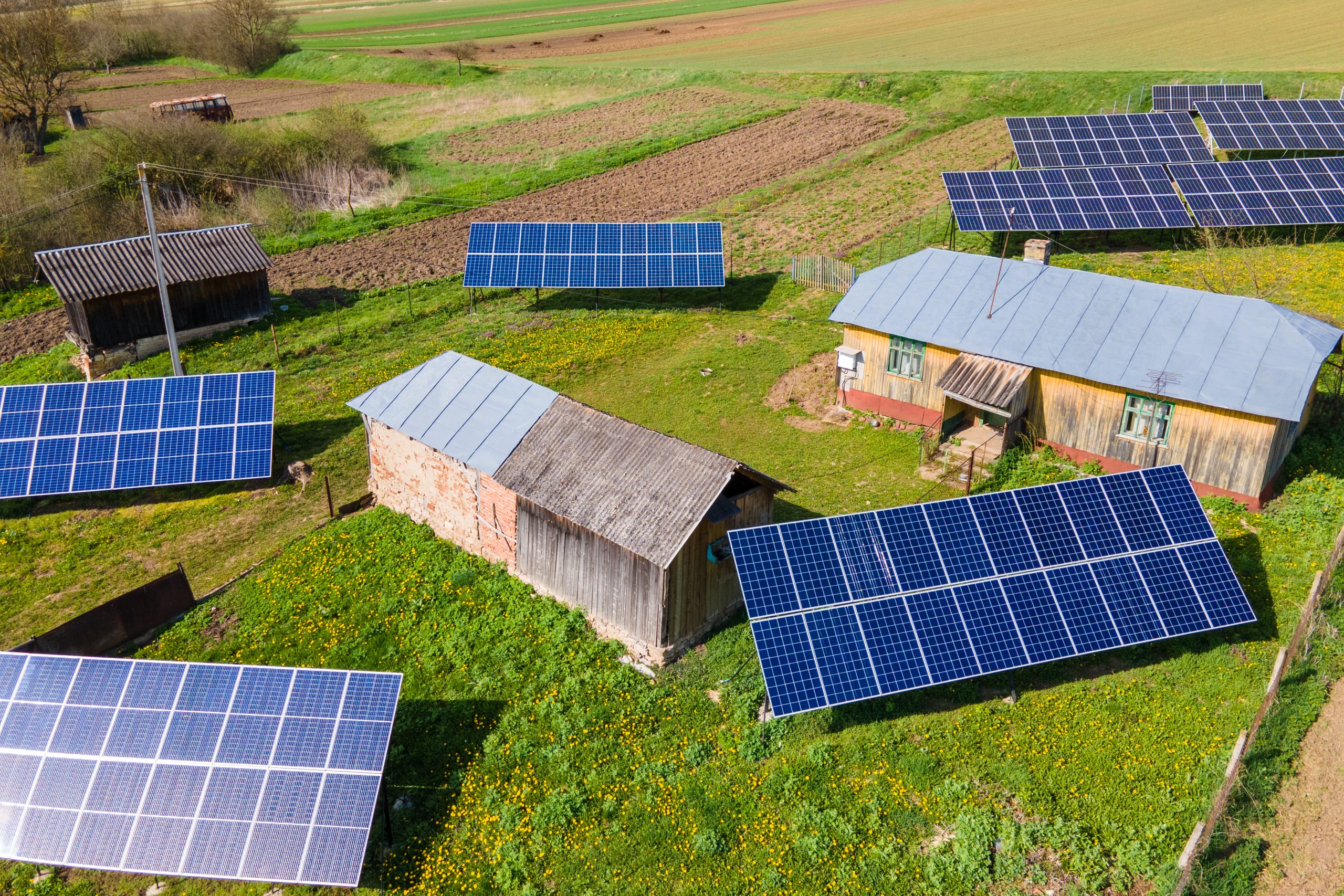
From Brazil, Henrique Frota of Instituto Pólis noted that 46% of families earning up to one minimum wage spend half or more of their income on energy, while only 3% of the subsidies analyzed for solar systems benefit low-income households. Community solar generation initiatives in São Paulo have reduced energy costs for common areas in social housing developments by approximately 75%, demonstrating the potential of renewable energy to broaden the social benefits of the transition.

Sara Larraín of Chile Sustentable explained that Chile agreed to phase out 28 coal-fired generating units by 2040. Against an initial target of eight closures by 2025, 14 units had ceased operations by the end of that year. Cecilia Dastre, Head of the Participation and Dialogue Division at Chile’s Ministry of Energy, added that replacing coal-fired generation will require approximately three times that capacity in renewable energy, together with new transmission infrastructure and energy storage.

In response to this challenge, Chile is promoting dialogue platforms involving communities, municipalities and companies, as well as community photovoltaic projects of approximately 300 kW supported through public-private financing.

The experiences presented converged on a common principle: engaging communities from the earliest stages can help identify risks, improve project design and move beyond compensation-based approaches toward long-term relationships and shared benefits. For OLACDE, this exchange forms part of an ongoing regional process that will continue through new initiatives aimed at strengthening citizen participation and systematizing good practices for energy transitions across Latin America and the Caribbean.
Share this news

OLACDE promotes an energy transition model based on territorial participation and shared value

Newsletter summary

OLACDE promotes an energy transition model based on territorial participation and shared value

Capacity building & knowledge

We advance high-level technical training programs that foster experience-sharing and develop the human and institutional capacities required to drive energy transformations across our region.

Our academic programs offer executive courses, postgraduate diplomas, master’s degrees, and innovative initiatives focused on key areas such as the energy transition, conventional and renewable energy, electromobility, and regional integration.

OLACDE builds a regional network of energy expertise, connecting governments, young professionals, academics, and industry experts to foster collaborative solutions through technical cooperation and talent development to address future energy and climate challenges.

Technical cooperation & climate finance

We strengthen South-South and triangular cooperation as key drivers to accelerate energy transitions across Latin America and the Caribbean. OLACDE unites efforts among governments, multilateral organizations, academic institutions, and the private sector to mobilize financing, technical expertise, and innovative solutions tailored to our regional context.
We advance strategic initiatives aimed at directing resources toward decarbonization, conventional energy, renewables, and energy justice projects—building a more efficient, inclusive, and sustainable regional cooperation architecture.

Regional energy community

We are building a regional energy community with a global outlook, positioning Latin America and the Caribbean as a pivotal player on the international stage. OLACDE amplifies regional representation in key multilateral energy, trade, and climate forums by fostering strategic alliances and international cooperation.

Through flagship events such as Energy Week and new spaces for high-level dialogue, we champion a collective voice that attracts investment, drives technical partnerships, and unlocks sustainable development opportunities across our region

Energy transition & strategic projects

We foster a regional energy transition built on sustainability, energy security, and social inclusion. OLACDE supports Member Countries in adopting emerging technologies—such as energy efficiency, storage solutions, green hydrogen, electromobility, and grid digitalization—to accelerate the sector’s decarbonization.

Our approach promotes strategic projects that strengthen energy resilience across Latin America and the Caribbean, reducing emissions while building a cleaner, more competitive energy infrastructure. Key regional initiatives, including OEMLAC, position our region as a benchmark for climate innovation and sustainable energy development.

Energy information and data

We develop regional platforms dedicated to energy intelligence, technical analysis, and strategic data systems that empower both public and private decision-making across the sector. OLACDE drives digital transformation in energy by leveraging artificial intelligence, georeferencing, and advanced analytical tools to map regional energy trends.

The integration of systems such as SieLAC, along with new regional digital platforms, consolidates reliable, up-to-date technical data—enabling modern, interoperable, and evidence-based energy planning.

Regional energy integration

We foster cooperation across the regional energy sector by prioritizing infrastructure development, cross-border collaboration, and regulatory alignment to enhance energy security in Latin America and the Caribbean. OLACDE coordinates strategic projects in power grid interconnections, natural gas integration, and joint energy planning to build resilient, sustainable partnerships.

Working alongside the governments of our 27 Member States, regional blocs, multilateral institutions, and key public and private stakeholders, we drive initiatives that introduce innovative energy exchange mechanisms, strengthen national capacities, and accelerate a unified regional energy transition.