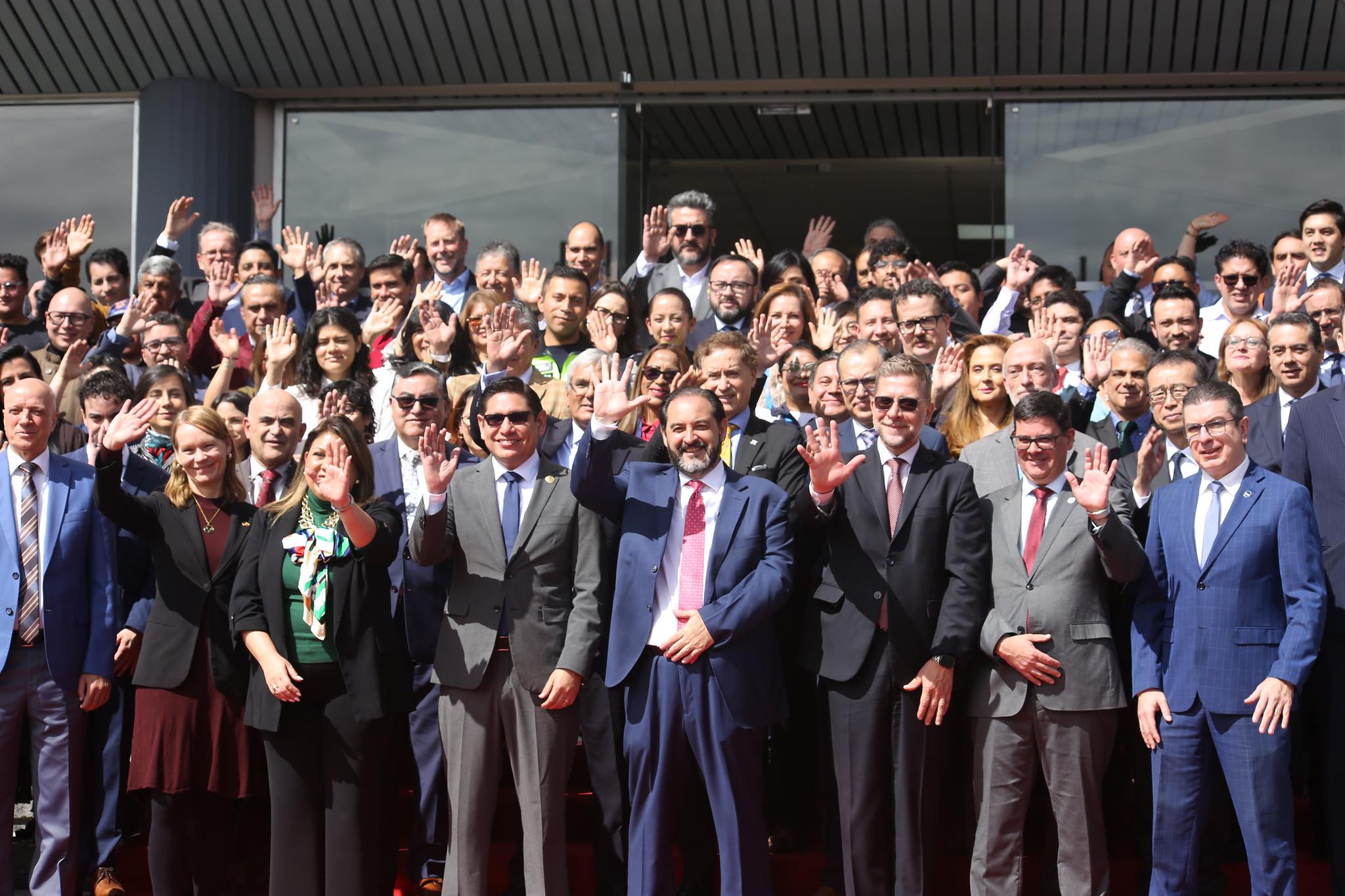
During the 11th Energy Week, held in the Dominican Republic, governments, experts, and multilateral organizations examined how to turn Latin America and the Caribbean’s strategic mineral reserves into investment, infrastructure, and industrial development.
OLACDE’s White Paper on Mining Development and Energy Planning warns that electricity demand from the mining sector could increase by more than 50% by 2034.
Latin America and the Caribbean could generate an additional US$35 billion in economic value from critical minerals by 2035 if the region expands its refining and processing capacity. However, inadequate electricity infrastructure, financing constraints, and limited industrial development threaten to restrict this potential, according to analyses presented during the 11th Energy Week of the Latin American and Caribbean Energy Organization (OLACDE), held from October 6 to 9 in the Dominican Republic.
The region holds approximately 60% of the world’s lithium reserves and more than 30% of its copper reserves, two minerals essential to electrification, energy storage, and low-emission technologies. Despite this strategic position, a significant share of its mineral production continues to be exported for industrial processing abroad, limiting the economic value retained within Latin American and Caribbean economies.
The relationship between mining, energy, and value chains featured prominently on the agenda of the 11th Energy Week, organized by OLACDE in partnership with the Dominican Republic’s Ministry of Energy and Mines. The gathering brought together government officials, industry representatives, and multilateral organizations to examine the conditions needed to accelerate mining projects, expand infrastructure, and strengthen regional value chains.
One of the main outcomes was the presentation of the White Paper on Mining Development and Energy Planning in Latin America and the Caribbean, prepared by OLACDE with contributions from more than 20 organizations and 40 specialists. The study identifies a pipeline of more than 330 mining projects, representing planned investments exceeding US$300 billion, more than 80% of which are concentrated in Chile, Argentina, and Peru.
The report estimates that the economic value of critical minerals produced in the region could increase from approximately US$185 billion to US$220 billion by 2035, provided that new processing and refining capabilities are developed. This projection highlights the potential for greater regional participation in industrial activities currently concentrated outside Latin America and the Caribbean.
Mining expansion places growing pressure on electricity grids
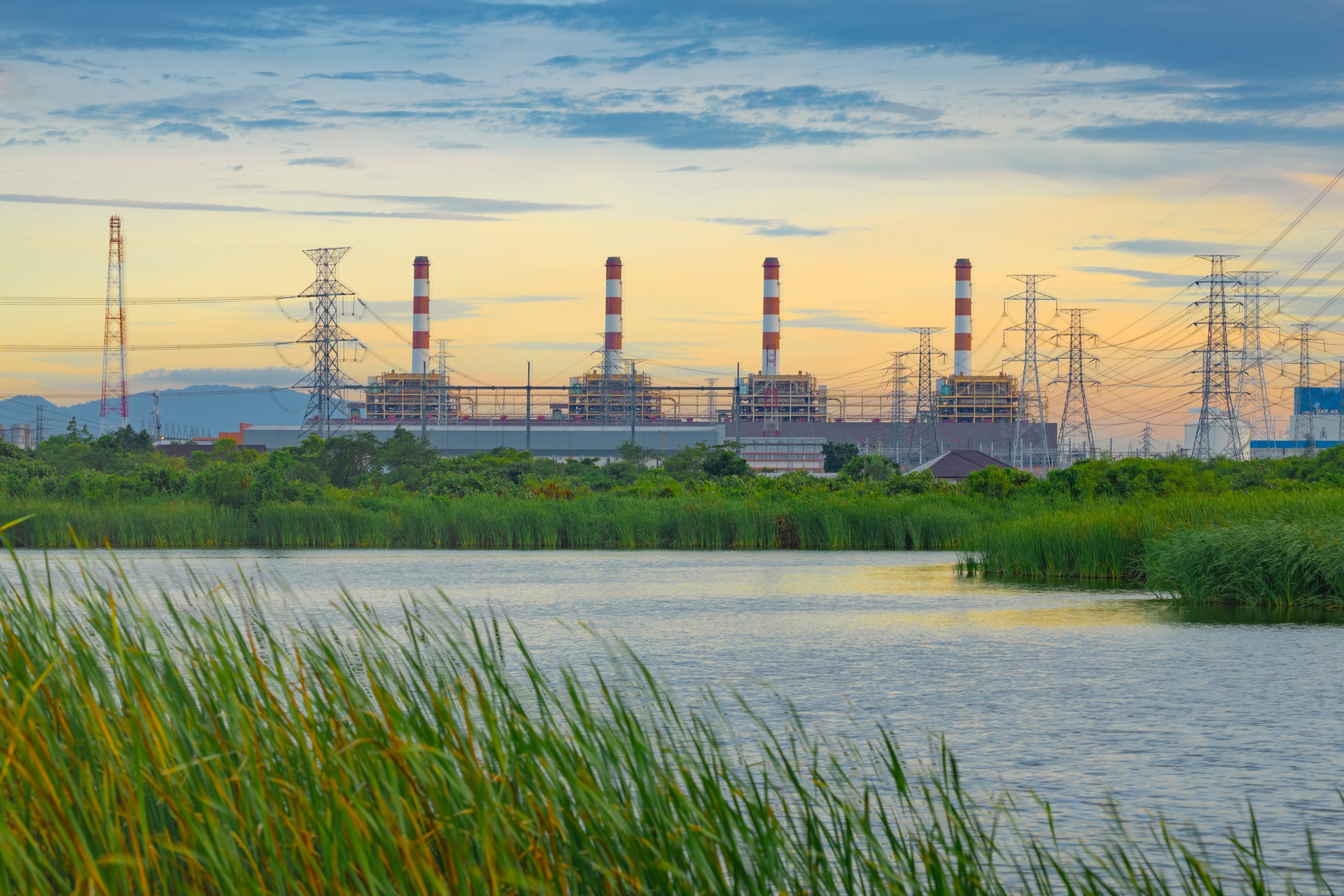
Rising demand for strategic minerals also presents a major challenge for energy systems. According to OLACDE projections, mining currently accounts for approximately 9% of regional electricity consumption, with demand potentially increasing from 122 terawatt-hours (TWh) to more than 184 TWh by 2034.
Argentina could see its mining-related energy consumption quadruple over this period, while Peru’s could double. These projections underscore the need to anticipate investments in power generation, transmission, energy storage, and other infrastructure essential to supporting new mining developments.
Coordination between the mining and energy sectors is particularly important given their lengthy development timelines. A large-scale mining project may take up to 15 years from discovery to the start of production, while a high-voltage transmission line can require seven to ten years to complete construction and permitting procedures.
These constraints were examined during the First Latin American and Caribbean Mining-Energy Forum, held on October 6 as part of the 11th Energy Week. Discussions focused on the need to align electricity planning with mining expansion and establish the conditions required to turn geological resources into economically viable investments.
A key conclusion was that mineral availability alone is insufficient to guarantee the development of new projects. Limited transmission infrastructure and a lack of competitively priced electricity can undermine investment prospects, while economic diversification and environmental and social standards are increasingly important factors in the sector’s competitiveness.
Renewable power generation: A competitive advantage in emerging markets
Latin America and the Caribbean has one of the world’s most renewable electricity mixes, with nearly 70% of its power generation coming from renewable sources. This provides an opportunity to develop lower-emission mining operations and meet the environmental requirements of international markets.
Nevertheless, the availability of renewable electricity at the regional level does not automatically guarantee a competitive power supply in mining areas. Access to water, electricity transmission infrastructure, and specialized logistics remain significant constraints for energy-intensive processing projects.
In response, the White Paper presented during the 11th Energy Week outlines six priorities: integrating mining and energy planning, accelerating enabling infrastructure, improving investment conditions, expanding domestic processing and refining, strengthening sustainability, and deepening regional cooperation.
The discussions in Santo Domingo positioned critical minerals as a central component of energy planning and economic development in Latin America and the Caribbean. For OLACDE, stronger coordination between the mining and energy sectors will be essential to translating the region’s mineral wealth into investment, new industrial capabilities, and greater participation in global value chains.
The region possesses a substantial share of the minerals required for the global energy transition. Its ability to capture greater economic benefits will depend on ensuring that mining expansion is supported by infrastructure, financing, and long-term energy planning.