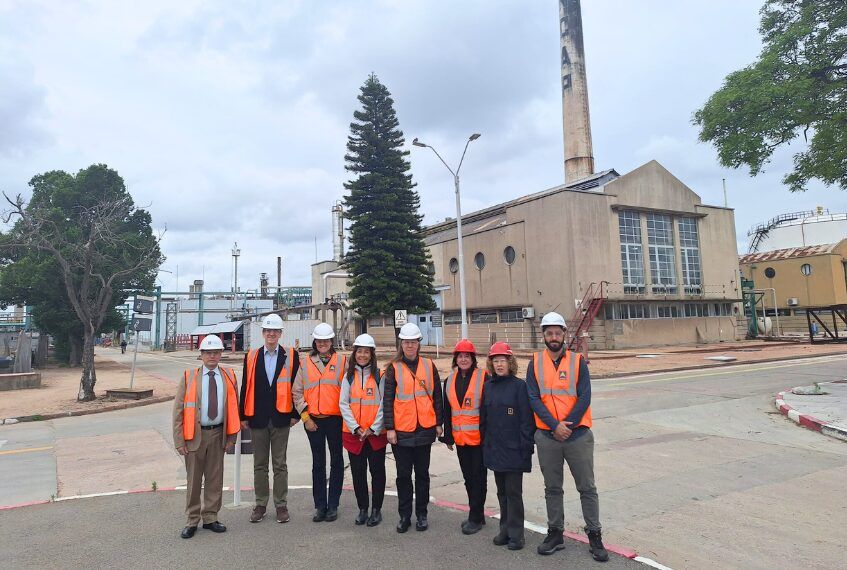
As part of the SCREEN–ALC II project, a technical visit day was held, organized by Spanish Cooperation, the Latin American and Caribbean Energy Organization (OLACDE), and Uruguay’s Ministry of Industry, Energy and Mining (MIEM), with the aim of strengthening national capacities to integrate climate risk management into energy planning.
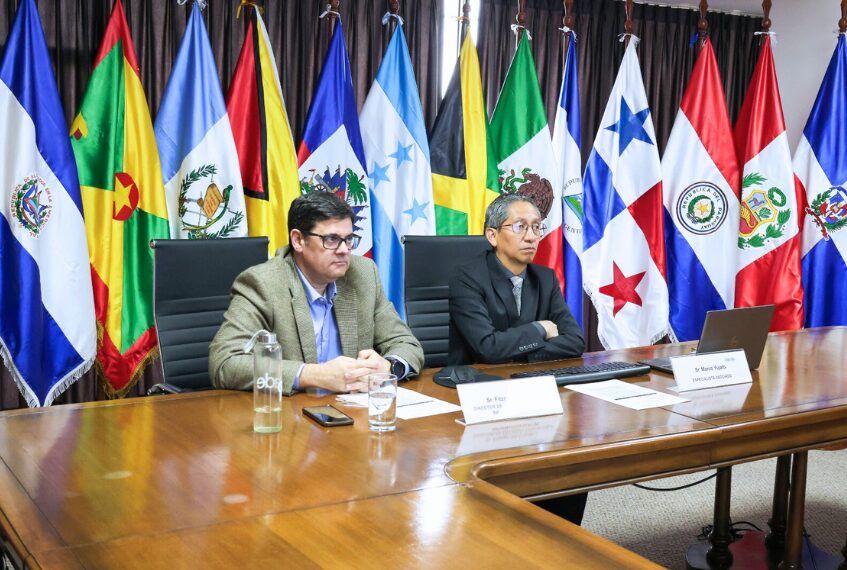
The sessions, held at UTE headquarters, brought together experts from Uruguay’s energy sector and representatives of international organizations.
Fabio García, an OLACDE specialist, presented the foundations of the SCREEN–ALC II project, aimed at increasing the resilience of energy infrastructure in Latin America and the Caribbean in the face of climate change.
He explained that the project’s methodology is based on IPCC recommendations, addressing risk as the interaction between climate hazards, exposure, and vulnerability.
During his remarks, García presented the reference scenario for Uruguay’s electricity sector without considering the effects of climate change, which will serve as a baseline for future analyses.
He also detailed the project’s next steps: developing climate scenarios for 2050, defining adaptation measures with cost-benefit analysis, and delivering technical tools that will allow the methodology to be replicated in other energy infrastructure across the region.