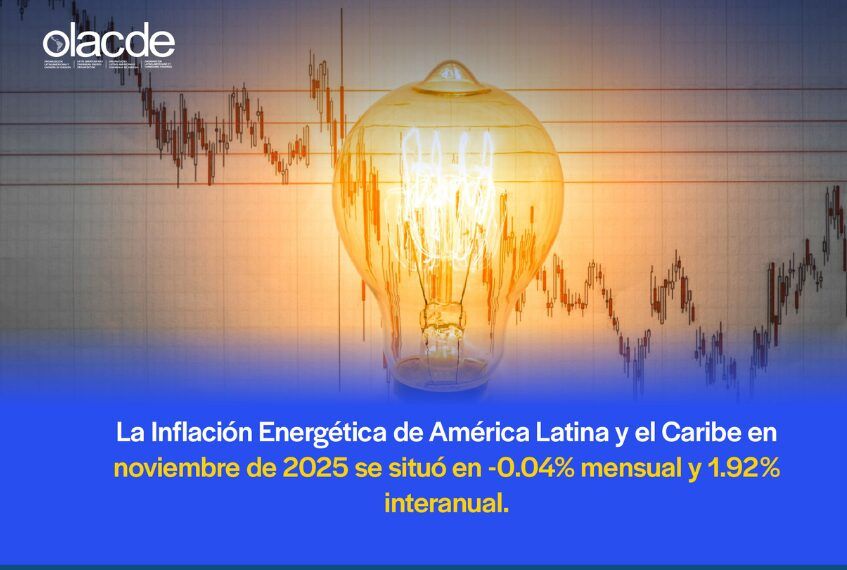
LAC Energy Inflation in November 2025 Decreased Compared to the Previous Month

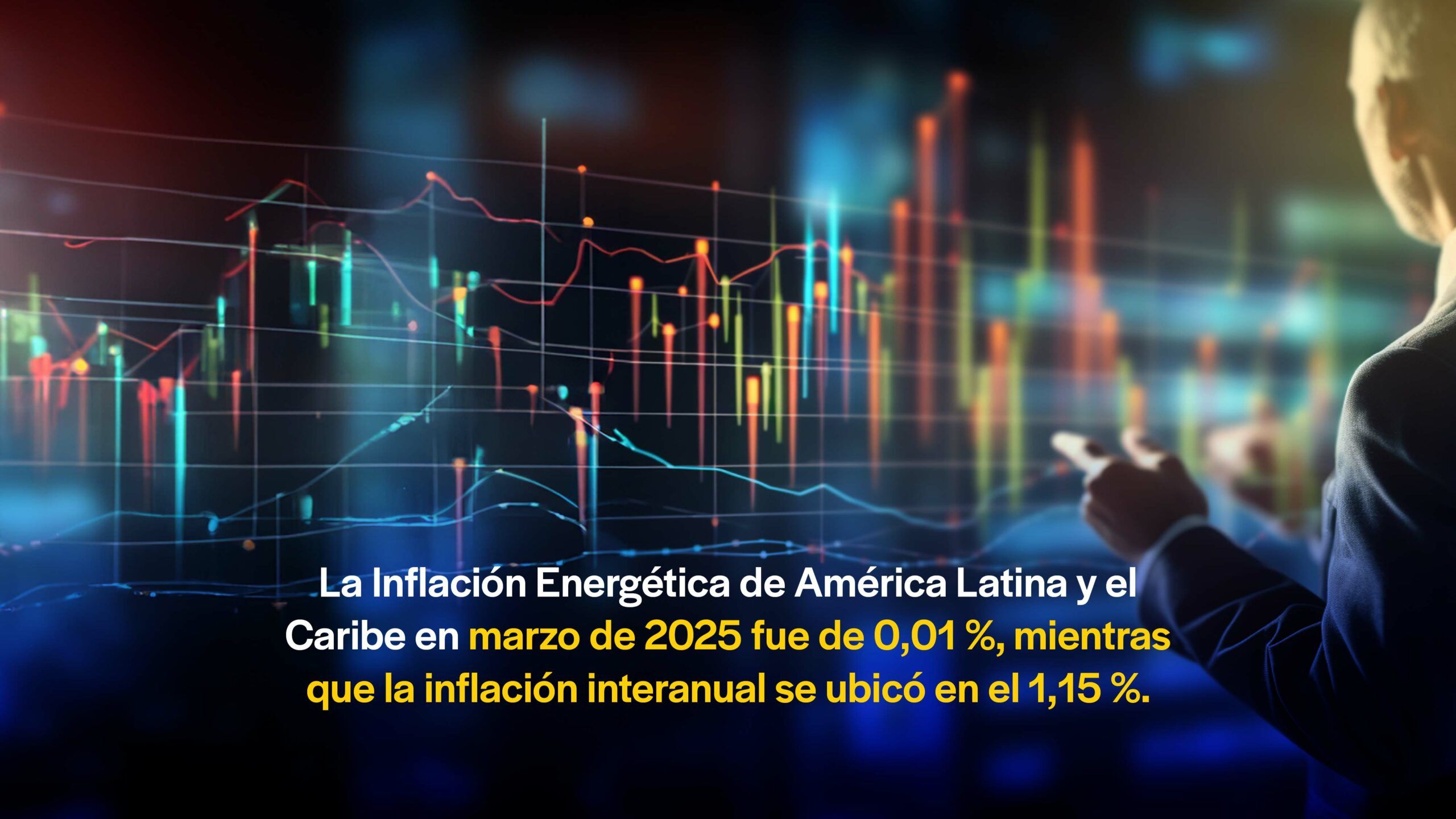
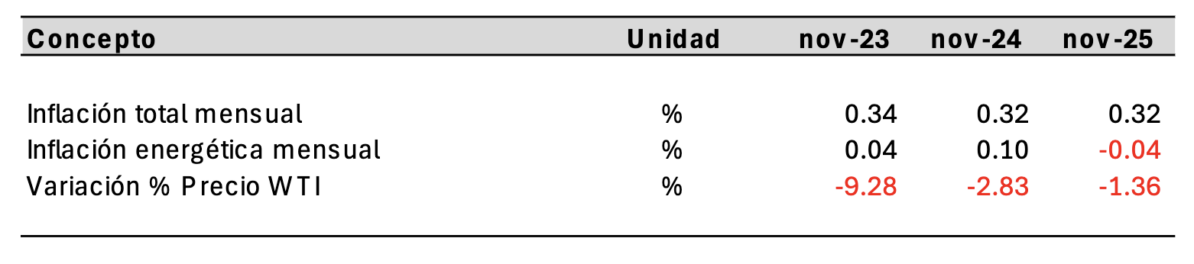
The region’s monthly Energy Inflation registered a decrease in November 2025, falling from 0.19% in October to −0.04% in November. This behavior is explained mainly by the fact that 11 of the 20 countries analyzed showed a reduction in the indicator, in a context where several countries implemented regulatory measures aimed at stabilizing electricity prices. Additionally, the region benefited from the drop in international oil prices, driven by greater global supply in the second half of 2025, which reduced fuel import costs for both the transportation sector and thermal power generation.

On the other hand, although a rebound in the price of natural gas was observed in North America toward November, associated with increased demand and seasonal weather conditions, this factor exerted only partial upward pressure in LAC; the combined effects of the drop in oil prices and tariff measures prevailed broadly, generating a net downward impact in the region, mainly due to the weight that oil-derived fuel prices and electricity prices carry in the energy basket.

In contrast, total monthly inflation showed an effect opposite to that of energy inflation, with an increase of 0.32% in November 2025, indicating that the rise was driven by items other than energy, such as the food, goods, and services components, which carry greater weight in the index.
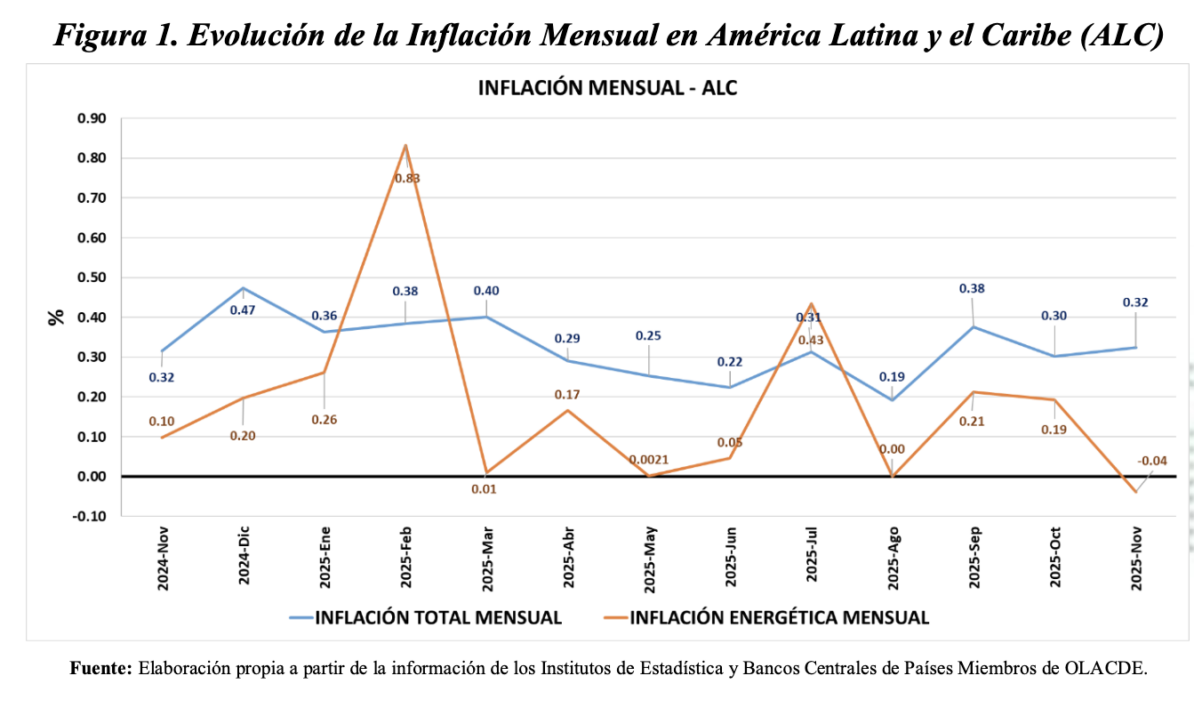
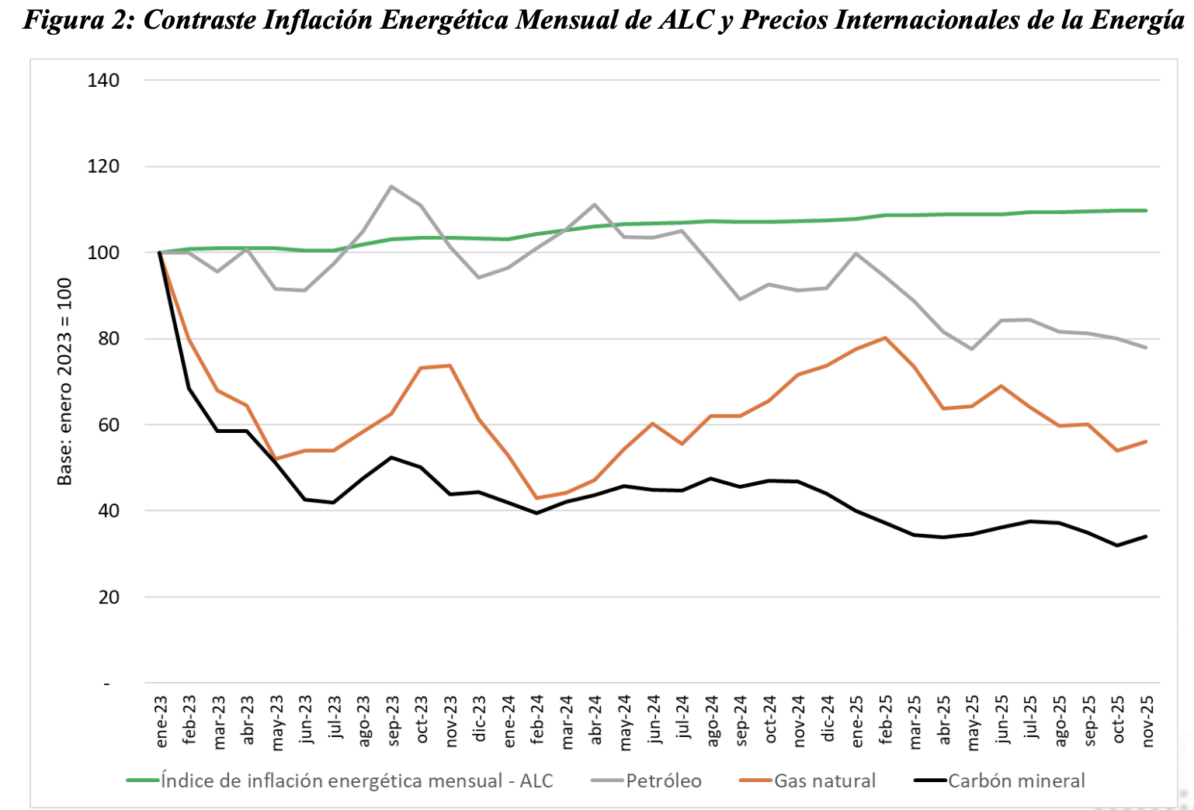
Figure 2 shows that the international oil price index maintained a predominantly downward trend throughout 2025 due to greater supply and the accumulation of global inventories, with declines that helped ease LAC’s energy inflation, especially in the second half of 2025.

On the other hand, the natural gas price index shows periods of recovery in mid-2024 and part of 2025, and a rebound in November 2025 due to a seasonal increase in demand and greater LNG activity in the United States, which tends to push up electricity tariffs in gas-dependent systems. However, this boost was not enough to reverse the drop in the energy inflation index in November 2025, which reached a negative value.

Regarding the mineral coal price index, the trend has been downward throughout the analysis period, with some stabilization toward the second half of 2025. In the international context, prices showed year-over-year adjustments, reaching negative values at the end of 2025, which also held down
generation costs in matrices with a share of thermal generation from mineral coal.

In general terms, Figure 2 shows that LAC’s energy inflation index decouples from the volatility experienced by oil, natural gas, and mineral coal, although it follows the downward trend of oil in the second half of 2025. The specific rise in natural gas at the end of 2025 did not prevent energy inflation from closing with a negative value at the end of November 2025.
 

Share this news

LAC Energy Inflation in November 2025 Decreased Compared to the Previous Month

Newsletter summary

The region’s monthly Energy Inflation registered a decrease in November 2025, falling from 0.19% in October to −0.04% in November. This behavior is explained mainly by the fact that 11 of the 20 countries analyzed showed a reduction in the indicator, in a context where several countries implemented regulatory measures aimed at stabilizing electricity prices. […]

Capacity building & knowledge

We advance high-level technical training programs that foster experience-sharing and develop the human and institutional capacities required to drive energy transformations across our region.

Our academic programs offer executive courses, postgraduate diplomas, master’s degrees, and innovative initiatives focused on key areas such as the energy transition, conventional and renewable energy, electromobility, and regional integration.

OLACDE builds a regional network of energy expertise, connecting governments, young professionals, academics, and industry experts to foster collaborative solutions through technical cooperation and talent development to address future energy and climate challenges.

Technical cooperation & climate finance

We strengthen South-South and triangular cooperation as key drivers to accelerate energy transitions across Latin America and the Caribbean. OLACDE unites efforts among governments, multilateral organizations, academic institutions, and the private sector to mobilize financing, technical expertise, and innovative solutions tailored to our regional context.

We advance strategic initiatives aimed at directing resources toward decarbonization, conventional energy, renewables, and energy justice projects—building a more efficient, inclusive, and sustainable regional cooperation architecture.

Regional energy community

We are building a regional energy community with a global outlook, positioning Latin America and the Caribbean as a pivotal player on the international stage. OLACDE amplifies regional representation in key multilateral energy, trade, and climate forums by fostering strategic alliances and international cooperation.

Through flagship events such as Energy Week and new spaces for high-level dialogue, we champion a collective voice that attracts investment, drives technical partnerships, and unlocks sustainable development opportunities across our region

Energy transition & strategic projects

We foster a regional energy transition built on sustainability, energy security, and social inclusion. OLACDE supports Member Countries in adopting emerging technologies—such as energy efficiency, storage solutions, green hydrogen, electromobility, and grid digitalization—to accelerate the sector’s decarbonization.

Our approach promotes strategic projects that strengthen energy resilience across Latin America and the Caribbean, reducing emissions while building a cleaner, more competitive energy infrastructure. Key regional initiatives, including OEMLAC, position our region as a benchmark for climate innovation and sustainable energy development.

Energy information and data

We develop regional platforms dedicated to energy intelligence, technical analysis, and strategic data systems that empower both public and private decision-making across the sector. OLACDE drives digital transformation in energy by leveraging artificial intelligence, georeferencing, and advanced analytical tools to map regional energy trends.

The integration of systems such as SieLAC, along with new regional digital platforms, consolidates reliable, up-to-date technical data—enabling modern, interoperable, and evidence-based energy planning.

Regional energy integration

We foster cooperation across the regional energy sector by prioritizing infrastructure development, cross-border collaboration, and regulatory alignment to enhance energy security in Latin America and the Caribbean. OLACDE coordinates strategic projects in power grid interconnections, natural gas integration, and joint energy planning to build resilient, sustainable partnerships.

Working alongside the governments of our 27 Member States, regional blocs, multilateral institutions, and key public and private stakeholders, we drive initiatives that introduce innovative energy exchange mechanisms, strengthen national capacities, and accelerate a unified regional energy transition.