
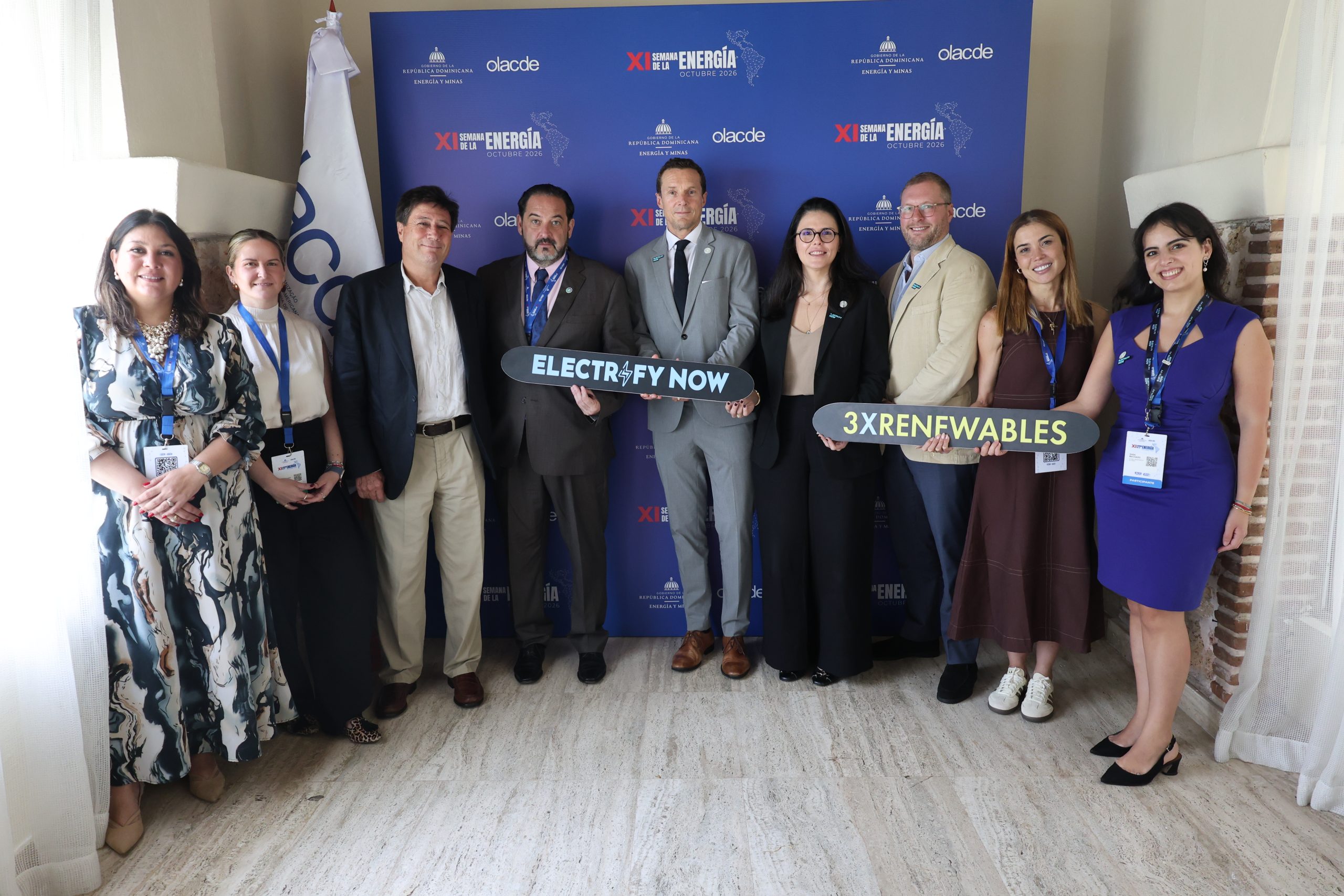
GRA and OLACDE join forces on renewable electrification at Santo Domingo Energy Week

Following New York Climate Week, the OLACDE Energy Week conference in Santo Domingo gathers governments from 27 countries, businesses and organisations to discuss renewable electrification and Latin America and the Caribbean’s contributions to COP31.

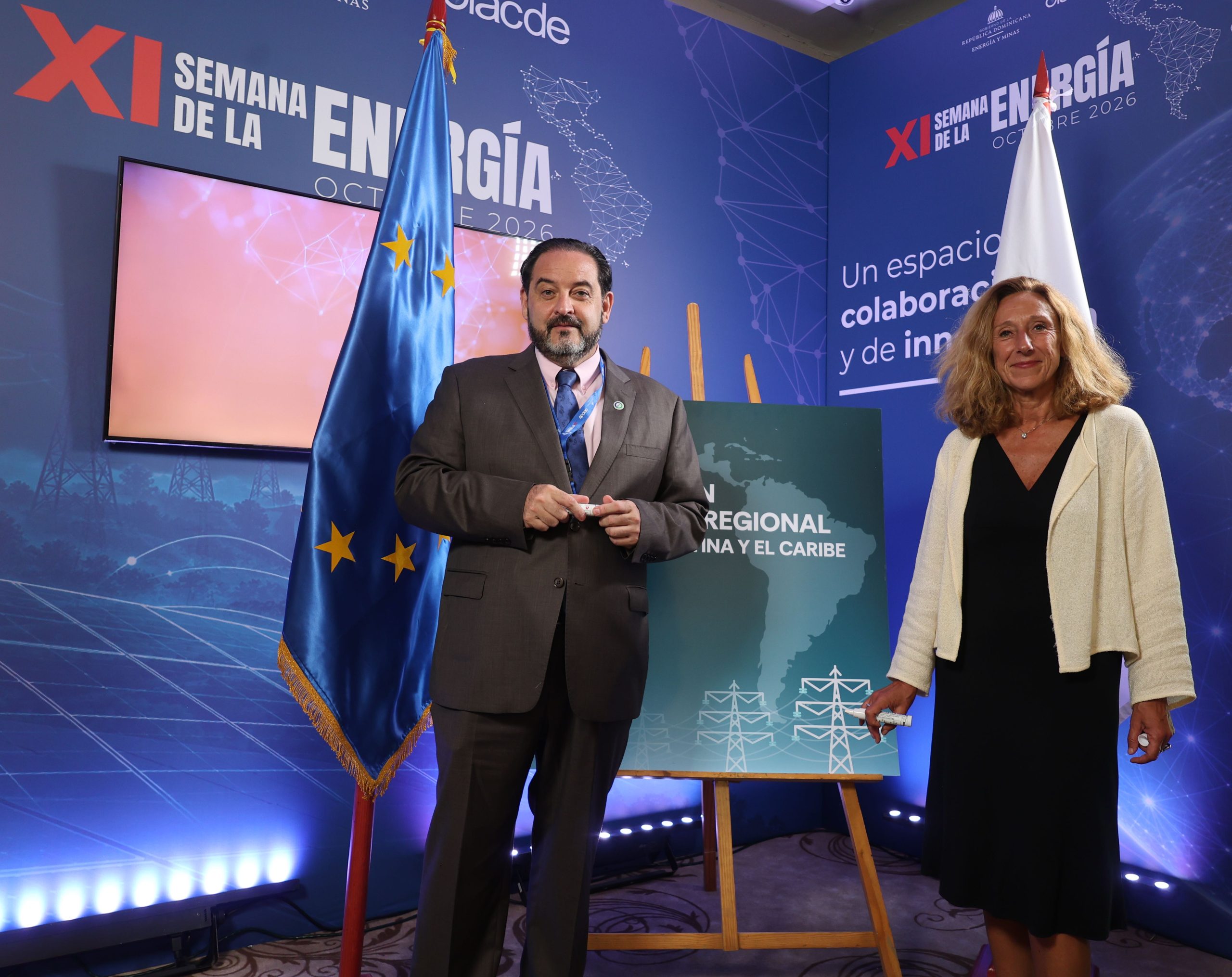
The Global Renewables Alliance (GRA) and Latin American and Caribbean Energy Organisation (OLACDE) signed a memorandum of understanding to accelerate renewable electrification and strengthen regional energy cooperation in Latin America and the Caribbean, at the OLACDE Energy Week conference in Santo Domingo, Dominican Republic. The agreement provides for knowledge sharing, events and the participation of experts in joint initiatives. The partnership covers public policy and regulation, electricity grids, energy storage and investment mobilisation.

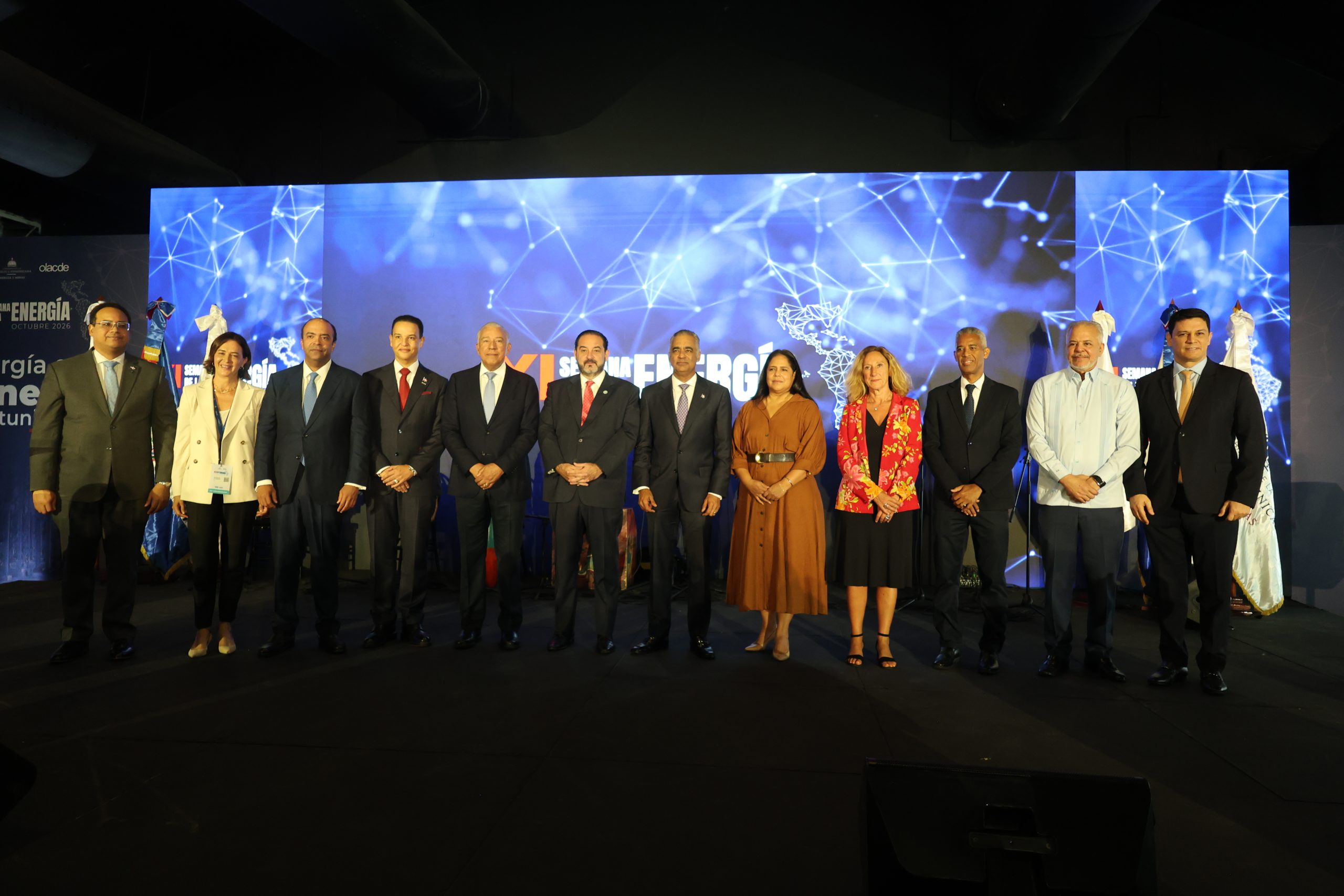
Accelerating renewable electrification and contributing to the regional agenda ahead of COP31 are among the topics under discussion at the 11th Energy Week of OLACDE, taking place from 6 to 9 October in Santo Domingo, Dominican Republic. The meeting builds on the discussions at New York Climate Week on clean electrification and the goal of tripling global renewable electricity generation capacity by 2030. Latin America’s leading energy forum brings together officials from OLACDE’s 27 member countries, more than 200 panellists and around 3,000 participants, including representatives of governments, businesses and energy sector organisations.

At the event, the Global Renewables Alliance (GRA) called for electrification to take a central place on the regional energy agenda and help shape the positions that Latin America and the Caribbean will bring to the 31st United Nations Climate Change Conference (COP31) in November. The energy transition is one of the formal pillars of the COP31 Action Agenda, set by the Turkish presidency. GRA is a global alliance focused on renewable energy, bringing together governments, businesses, investors and multilateral organisations.

The electricity mix in Latin America and the Caribbean is already predominantly renewable, but energy use across the wider economy still depends on fossil fuels. The Caribbean is particularly dependent: fossil fuels account for 97% of primary energy and are mostly imported.

“To expand electrification, we need to increase renewable generation, expand electricity grids and energy storage, promote efficiency and ensure stable rules. Governments and businesses need to coordinate planning, permitting and financing to turn projects into reality. The closer collaboration with OLACDE will facilitate the development of secure, affordable clean power for the region.” said Bruce Douglas, CEO of GRA.

“Latin America and the Caribbean have extraordinary resources to become key players in the new global energy landscape. However, no country can face the challenges ahead on its own. The region needs greater integration, more investment, more innovation and deeper energy cooperation to turn our resources into energy security, competitiveness and well-being”, confirm Joel Santos, Minister of Energy and Mines of the Dominican Republic, Joel Santos.

Andrés Rebolledo, Secretary of the Latin American and Caribbean Energy Organization (OLACDE), says “Latin America and the Caribbean are the greenest region in the world. 70% of our electricity comes from renewable sources. Solar and wind power, in particular, have grown enormously and now account for 20%, while hydropower accounts for 43% and has long been part of our history. Therefore, we believe that expanding electrification using renewable energy is part of the solution to decarbonisation, not only for our region but also for the world, which is looking for partners with these characteristics.”
Share this news

GRA and OLACDE join forces on renewable electrification at Santo Domingo Energy Week

Newsletter summary

GRA and OLACDE join forces on renewable electrification at Santo Domingo Energy Week

Capacity building & knowledge

We advance high-level technical training programs that foster experience-sharing and develop the human and institutional capacities required to drive energy transformations across our region.

Our academic programs offer executive courses, postgraduate diplomas, master’s degrees, and innovative initiatives focused on key areas such as the energy transition, conventional and renewable energy, electromobility, and regional integration.

OLACDE builds a regional network of energy expertise, connecting governments, young professionals, academics, and industry experts to foster collaborative solutions through technical cooperation and talent development to address future energy and climate challenges.

Technical cooperation & climate finance

We strengthen South-South and triangular cooperation as key drivers to accelerate energy transitions across Latin America and the Caribbean. OLACDE unites efforts among governments, multilateral organizations, academic institutions, and the private sector to mobilize financing, technical expertise, and innovative solutions tailored to our regional context.

We advance strategic initiatives aimed at directing resources toward decarbonization, conventional energy, renewables, and energy justice projects—building a more efficient, inclusive, and sustainable regional cooperation architecture.

Regional energy community

We are building a regional energy community with a global outlook, positioning Latin America and the Caribbean as a pivotal player on the international stage. OLACDE amplifies regional representation in key multilateral energy, trade, and climate forums by fostering strategic alliances and international cooperation.

Through flagship events such as Energy Week and new spaces for high-level dialogue, we champion a collective voice that attracts investment, drives technical partnerships, and unlocks sustainable development opportunities across our region

Energy transition & strategic projects

We foster a regional energy transition built on sustainability, energy security, and social inclusion. OLACDE supports Member Countries in adopting emerging technologies—such as energy efficiency, storage solutions, green hydrogen, electromobility, and grid digitalization—to accelerate the sector’s decarbonization.

Our approach promotes strategic projects that strengthen energy resilience across Latin America and the Caribbean, reducing emissions while building a cleaner, more competitive energy infrastructure. Key regional initiatives, including OEMLAC, position our region as a benchmark for climate innovation and sustainable energy development.

Energy information and data

We develop regional platforms dedicated to energy intelligence, technical analysis, and strategic data systems that empower both public and private decision-making across the sector. OLACDE drives digital transformation in energy by leveraging artificial intelligence, georeferencing, and advanced analytical tools to map regional energy trends.

The integration of systems such as SieLAC, along with new regional digital platforms, consolidates reliable, up-to-date technical data—enabling modern, interoperable, and evidence-based energy planning.

Regional energy integration

We foster cooperation across the regional energy sector by prioritizing infrastructure development, cross-border collaboration, and regulatory alignment to enhance energy security in Latin America and the Caribbean. OLACDE coordinates strategic projects in power grid interconnections, natural gas integration, and joint energy planning to build resilient, sustainable partnerships.

Working alongside the governments of our 27 Member States, regional blocs, multilateral institutions, and key public and private stakeholders, we drive initiatives that introduce innovative energy exchange mechanisms, strengthen national capacities, and accelerate a unified regional energy transition.