- Latin America and the Caribbean produced 318 million barrels of crude oil and 21.7 billion m³ of natural gas in April 2026.
- More than 70% of the region’s natural gas production was consumed domestically, helping shield the region from trade disruptions and uncertainty in the Middle East.
- OLACDE’s new Monthly Oil and Natural Gas Report highlights persistent asymmetries in intraregional energy trade.
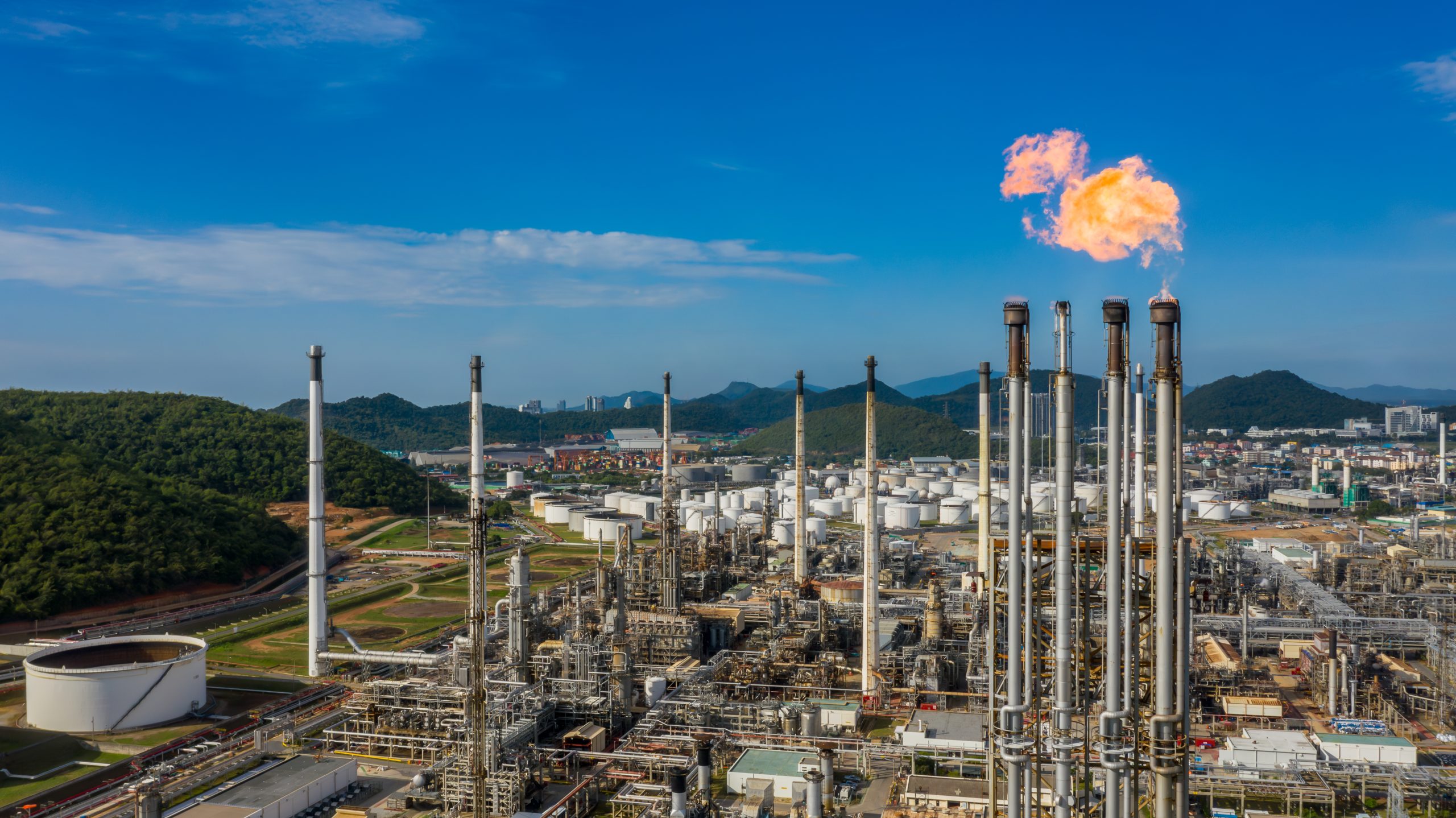
Latin America and the Caribbean maintains momentum in its hydrocarbons sector. Latin America and the Caribbean maintained momentum in its hydrocarbons sector in April 2026, with regional oil production reaching 318 million barrels (Mbbl), up 10% from the same month a year earlier.
The latest Monthly Oil and Natural Gas Report from the Latin American and Caribbean Energy Organization (OLACDE) shows a growing market led by Brazil, Mexico and Venezuela, which together accounted for 70% of the region’s total oil production.
Foreign trade: continued reliance on external markets
On the trade front, the data show that intraregional supply accounts for 54% of the value of the region’s oil imports. Meanwhile, the bulk of exportable production — 79% — is shipped to major global consumption markets, with only 21% remaining within intraregional trade flows.
Natural gas market shows resilience amid global uncertainty
Domestic production and supply
Regional natural gas production reached 21.7 billion m³, representing an 8.5% year-on-year increase. This growth strengthens energy security, with more than 70% of all natural gas produced in Latin America and the Caribbean consumed within the region itself.
Five countries account for 80% of the region’s natural gas supply:
- Argentina: 22%
- Trinidad and Tobago: 22%
- Brazil: 14%
- Bolivia: 12%
- Mexico: 10%
The import market
However, to meet demand beyond what can be supplied by domestic production, countries in the region continue to rely on international purchases. Around 65% of imported natural gas comes from suppliers outside the region, while only 35% is sourced from neighboring Latin American and Caribbean countries.
OLACDE’s report concludes that, while Latin America and the Caribbean has a strong production base capable of meeting a significant share of its natural gas needs, regional trade integration remains uneven. Against a backdrop of heightened global geopolitical uncertainty, accelerating energy interconnections, cross-border infrastructure and intraregional trade agreements will be critical to strengthening the region’s long-term energy security.
Access the full report at the following link: https://www.olacde.org/wp-content/uploads/2026/09/report_ong_4_ing.pdf