Panama Launches Participatory Process to Develop Its 2026–2040 National Energy Plan

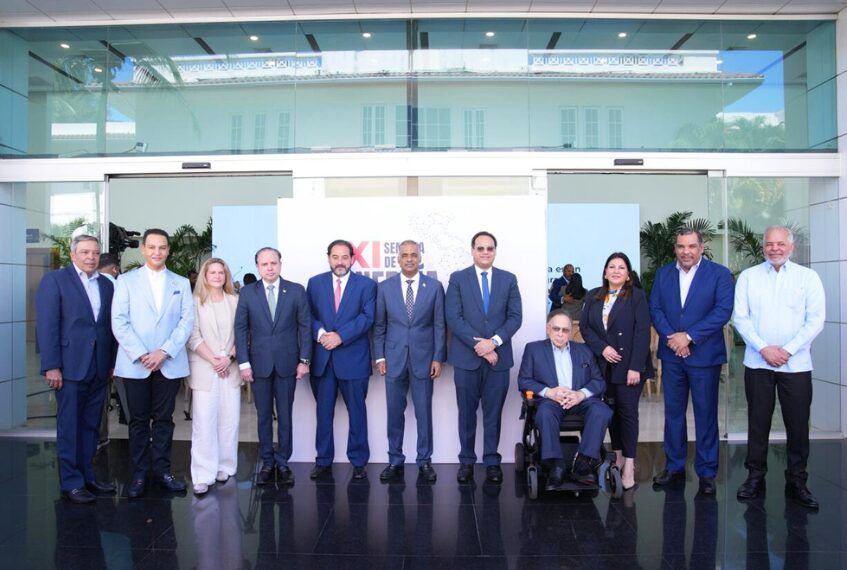
Panama has launched the participatory process for developing the 2026–2040 National Energy Plan, a strategic instrument that will guide the country’s energy sector decisions over the coming years. The launch brought together national government authorities, private sector representatives, international organizations, academia, and civil society.

The event was attended by the Minister of the Presidency, Juan Carlos Orillac, and the National Energy Secretary, Rodrigo Rodríguez J., who highlighted the importance of strengthening energy planning through an open process that incorporates input from various sectors.

“Panama needs serious energy planning and decisions that can actually be implemented. That is what this government is pursuing: coordination between institutions and rules that build confidence for investment,” said the Minister of the Presidency, Juan Carlos Orillac.

During his remarks, Orillac explained that, alongside the launch of the National Energy Plan, the government is advancing key sector initiatives, including electrical interconnection, the implementation of ethanol, and the energy tender program, with the goal of strengthening the electricity supply and supporting the country’s energy development.

For his part, National Energy Secretary Rodrigo Rodríguez J. noted that the 2026–2040 National Energy Plan will be developed as a participatory process based on technical information, with the aim of producing an instrument that guides decisions on infrastructure, supply, and development of the energy system.

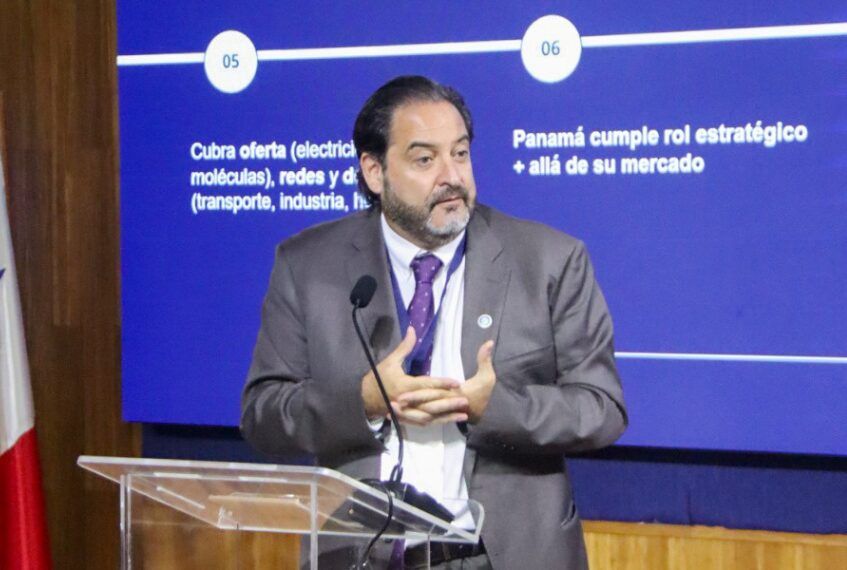
Also attending the event was the Executive Secretary of the Latin American and Caribbean Energy Organization (OLACDE), Andrés Rebolledo Smitmans, who shared a regional perspective on the importance of energy planning in a context of profound sector transformation.

Rebolledo noted that Panama plays a strategic role beyond its own market, thanks to its geographic position, its capacity for regional coordination, and its growing logistics and energy platform.

He also emphasized that countries need state policies capable of anticipating technological changes, integrating renewable energy, storage, electric mobility, and new energy carriers such as low-emission hydrogen, as well as strengthening regional energy integration as a key resource for improving the security and competitiveness of energy systems.

The plan’s development process will take place over the next 18 months and will include participation spaces with public institutions, the private sector, academia, and civil society organizations. As part of this stage, regional forums will be held in various provinces and comarcas across the country, with the goal of gathering input to inform the diagnosis, scenarios, and priorities of the energy sector.

The National Energy Secretariat indicated that the process will be carried out under a participatory methodology, supported by technical information and monitoring mechanisms, with the aim of producing an executable plan that strengthens the energy system and contributes to Panama’s sustainable development.
Share this news

Panama Launches Participatory Process to Develop Its 2026–2040 National Energy Plan

Newsletter summary

Panama has launched the participatory process for developing the 2026–2040 National Energy Plan, a strategic instrument that will guide the country’s energy sector decisions over the coming years. The launch brought together national government authorities, private sector representatives, international organizations, academia, and civil society. The event was attended by the Minister of the Presidency, Juan […]

Capacity building & knowledge

We advance high-level technical training programs that foster experience-sharing and develop the human and institutional capacities required to drive energy transformations across our region.

Our academic programs offer executive courses, postgraduate diplomas, master’s degrees, and innovative initiatives focused on key areas such as the energy transition, conventional and renewable energy, electromobility, and regional integration.

OLACDE builds a regional network of energy expertise, connecting governments, young professionals, academics, and industry experts to foster collaborative solutions through technical cooperation and talent development to address future energy and climate challenges.

Technical cooperation & climate finance

We strengthen South-South and triangular cooperation as key drivers to accelerate energy transitions across Latin America and the Caribbean. OLACDE unites efforts among governments, multilateral organizations, academic institutions, and the private sector to mobilize financing, technical expertise, and innovative solutions tailored to our regional context.

We advance strategic initiatives aimed at directing resources toward decarbonization, conventional energy, renewables, and energy justice projects—building a more efficient, inclusive, and sustainable regional cooperation architecture.

Regional energy community

We are building a regional energy community with a global outlook, positioning Latin America and the Caribbean as a pivotal player on the international stage. OLACDE amplifies regional representation in key multilateral energy, trade, and climate forums by fostering strategic alliances and international cooperation.

Through flagship events such as Energy Week and new spaces for high-level dialogue, we champion a collective voice that attracts investment, drives technical partnerships, and unlocks sustainable development opportunities across our region

Energy transition & strategic projects

We foster a regional energy transition built on sustainability, energy security, and social inclusion. OLACDE supports Member Countries in adopting emerging technologies—such as energy efficiency, storage solutions, green hydrogen, electromobility, and grid digitalization—to accelerate the sector’s decarbonization.

Our approach promotes strategic projects that strengthen energy resilience across Latin America and the Caribbean, reducing emissions while building a cleaner, more competitive energy infrastructure. Key regional initiatives, including OEMLAC, position our region as a benchmark for climate innovation and sustainable energy development.

Energy information and data

We develop regional platforms dedicated to energy intelligence, technical analysis, and strategic data systems that empower both public and private decision-making across the sector. OLACDE drives digital transformation in energy by leveraging artificial intelligence, georeferencing, and advanced analytical tools to map regional energy trends.

The integration of systems such as SieLAC, along with new regional digital platforms, consolidates reliable, up-to-date technical data—enabling modern, interoperable, and evidence-based energy planning.

Regional energy integration

We foster cooperation across the regional energy sector by prioritizing infrastructure development, cross-border collaboration, and regulatory alignment to enhance energy security in Latin America and the Caribbean. OLACDE coordinates strategic projects in power grid interconnections, natural gas integration, and joint energy planning to build resilient, sustainable partnerships.

Working alongside the governments of our 27 Member States, regional blocs, multilateral institutions, and key public and private stakeholders, we drive initiatives that introduce innovative energy exchange mechanisms, strengthen national capacities, and accelerate a unified regional energy transition.