


Opportunities for the Circular Economy in Energy Transition in Latin America and the Caribbean (LAC)
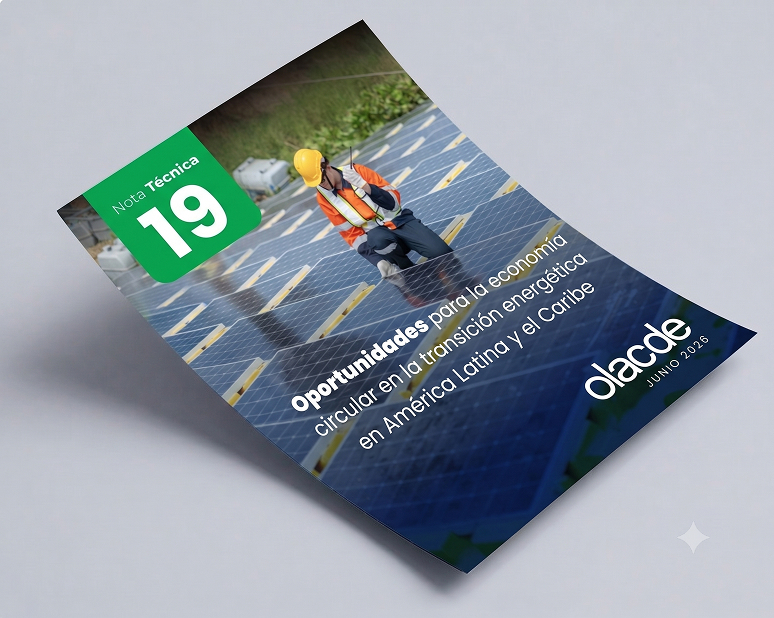
The energy transition in Latin America and the Caribbean presents significant challenges related to the region’s capacity to manage, in an environmentally sound and economically efficient manner, the waste generated at the end of the useful life of the technologies supporting this transition.
Technical Note Nº18 Legislation for the energy transition in Latin America and the Caribbean
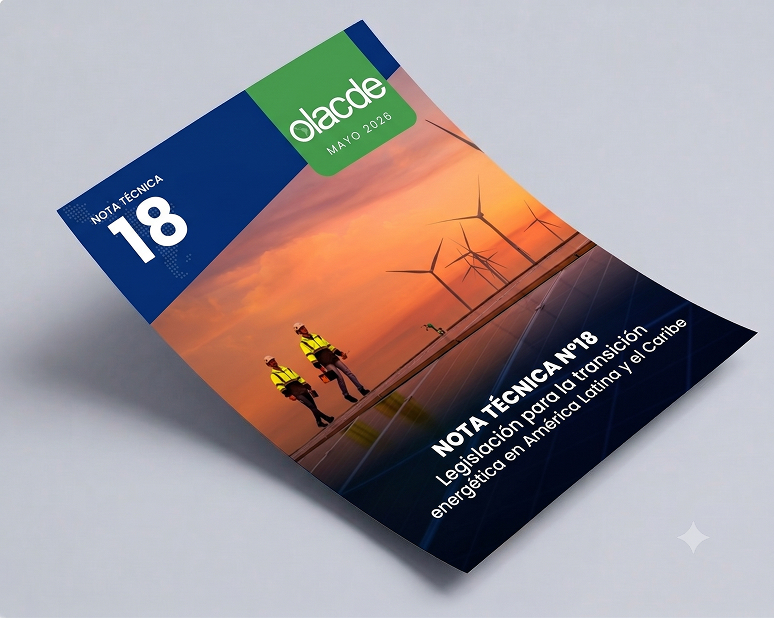
This publication analyzes the regulatory frameworks needed to accelerate the energy transition in Latin America and the Caribbean (LAC). It examines the current state of renewable energy in the region, identifies the institutional and regulatory gaps that limit its expansion, and proposes legislative guidelines to strengthen regional energy integration. The study highlights that, despite having […]
Technical Note No. 17 Potential and Energy Consumption of the Mining Sector in Latin America and the Caribbean
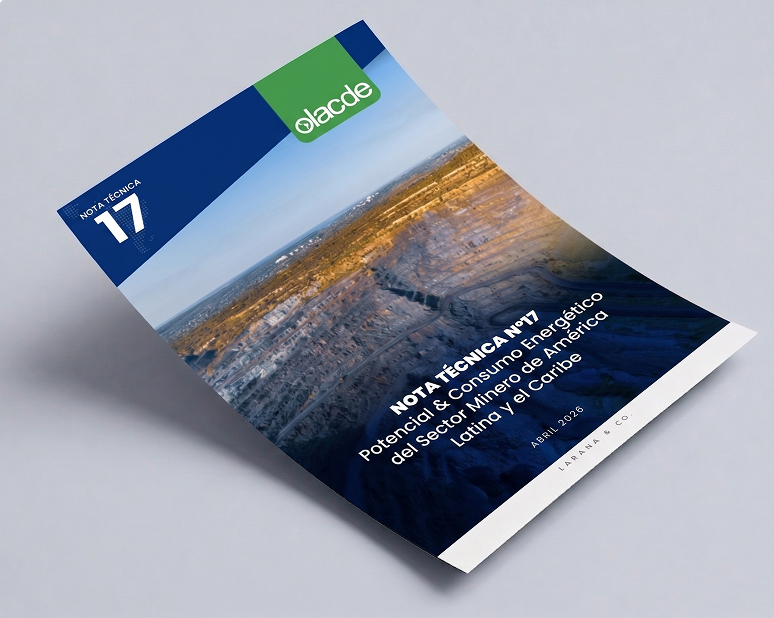
This publication analyzes the relationship between the mining industry and the electricity sector in Latin America and the Caribbean. The document projects the growth of the sector’s electricity demand through 2034, offering an assessment of the role of large-scale mining as a driver of modernization and infrastructure development. Through this analysis, the power requirements and […]
Technical Note No. 15 District Energy: Progress in Chile and Colombia
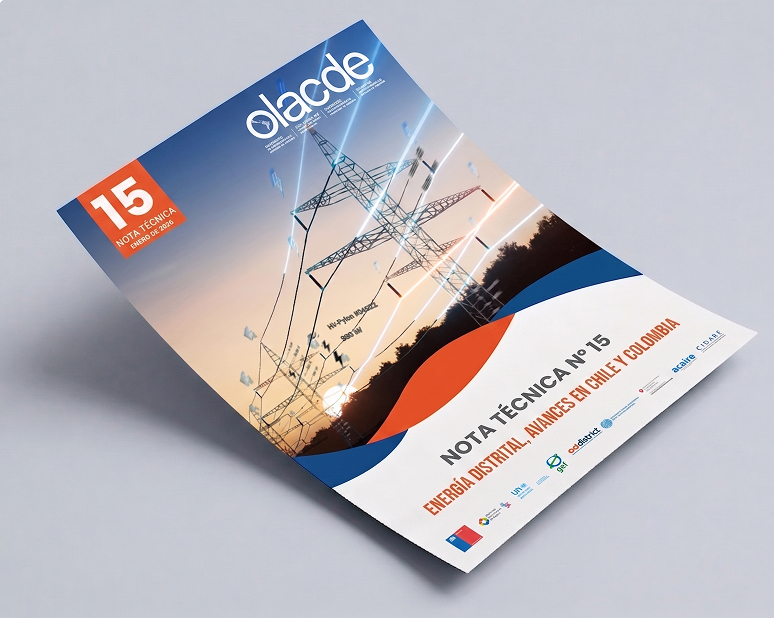
District energy is becoming established in Latin America and the Caribbean as a strategic tool for advancing more sustainable cities, improving energy efficiency, and reducing air pollution. Its capacity to integrate heating and cooling solutions through centralized infrastructure makes it possible to replace inefficient and polluting individual systems, thereby contributing to the energy transition, climate […]
Technical Note N° 13 An outlook on nuclear energy in Latin America and the Caribbean as a source of firm energy for energy transition
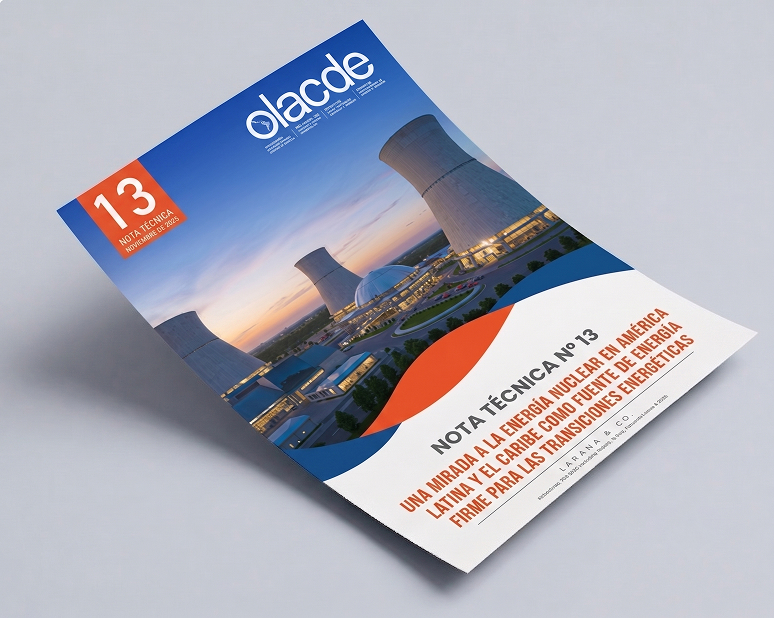
The energy transition, particularly in the electricity generation sector, is moving forward steadily in the Latin America and Caribbean (LAC) region, where there has been a significant increase in the use of non-conventional renewable energy sources such as wind and solar power. However, as these intermittent generation technologies have gained ground in the energy mix, […]
Technical Note N° 12 Policy and Regulatory Framework for the Energy Transition in the Caribbean

The energy transition in the Caribbean subregion requires a robust political and regulatory framework aligned with decarbonization, energy security, and sustainability goals. This OLACDE technical note analyzes the evolution of energy policies and energy law, highlighting their adaptation toward approaches centered on renewable sources, energy efficiency, and social justice. The document underscores the need for […]
Technical Note N° 11 Outlook – Clean Cooking in Latin America and the Caribbean

The use of polluting fuels for cooking—primarily firewood—continues to represent a major challenge in Latin America and the Caribbean (LAC) in the pursuit of sustainable energy development goals, a high Human Development Index, and the protection of the health and well-being of current and future generations. According to data from the World Health Organization (WHO), […]
Technical Note N° 10 Energy Storage in Latin America and the Caribbean – Current Status, Challenges, and Strategic Recommendations
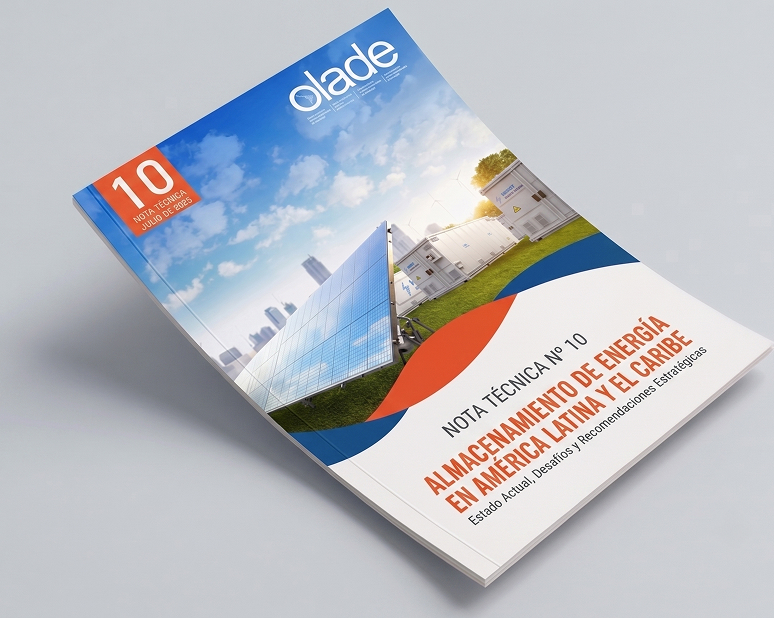
This Technical Note provides a detailed analysis of the various technological alternatives available for energy storage, with a particular focus on those that are more advanced in the region. Based on data collected on installed capacity, the document highlights the growing deployment of Battery Energy Storage Systems (BESS), while pumped hydro storage—despite the region’s significant […]
Technical Note N° 9 Perspectives on Low-Emission Hydrogen in Latin America and the Caribbean
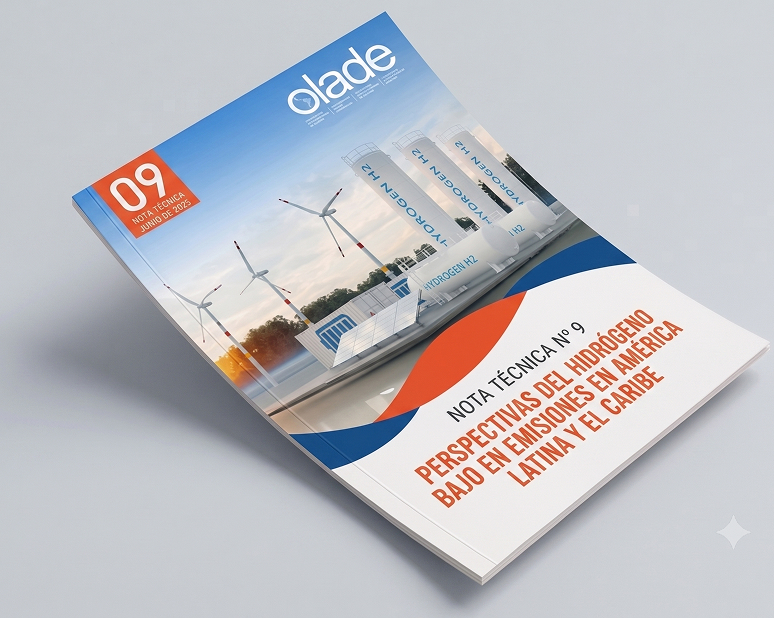
This Technical Note, Perspectives on Low-Emission Hydrogen in Latin America and the Caribbean, presents an analysis of the current state of this fuel worldwide, with a particular focus on the region. It analyzes national objectives for the development of low-emission hydrogen in the short, medium, and long term. The findings in this document are based on […]
Technical Note N° 8 Electric Mobility in Latin America and the Caribbean
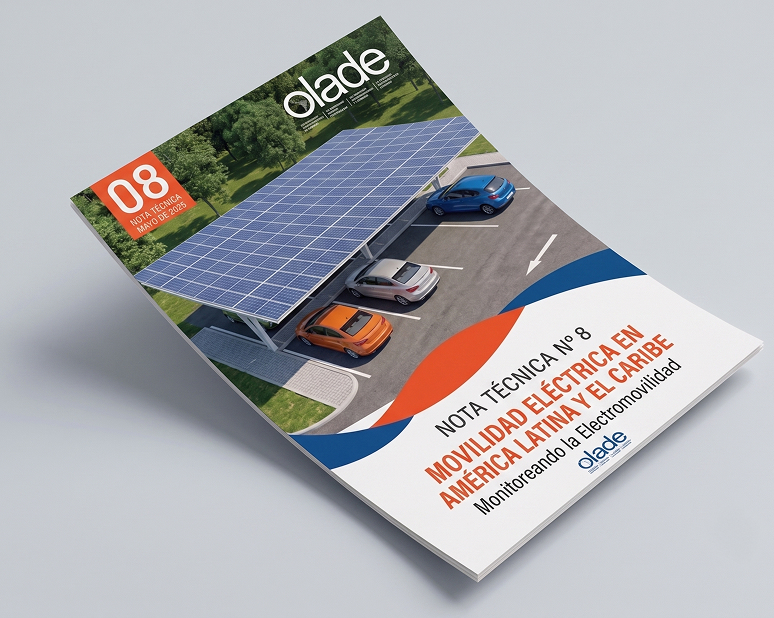
“Electric Mobility Monitor in Latin America and the Caribbean” updates the first edition published in September 2024, which presented data as of mid-2024. This time, the figures have been updated to reflect the year-end data. In addition, electric vehicle sales for the first quarter of the current year are also included. This publication provides an […]
