


OLACDE and Global Energy cooperate to support the promotion and strengthening of energy development in Latin America
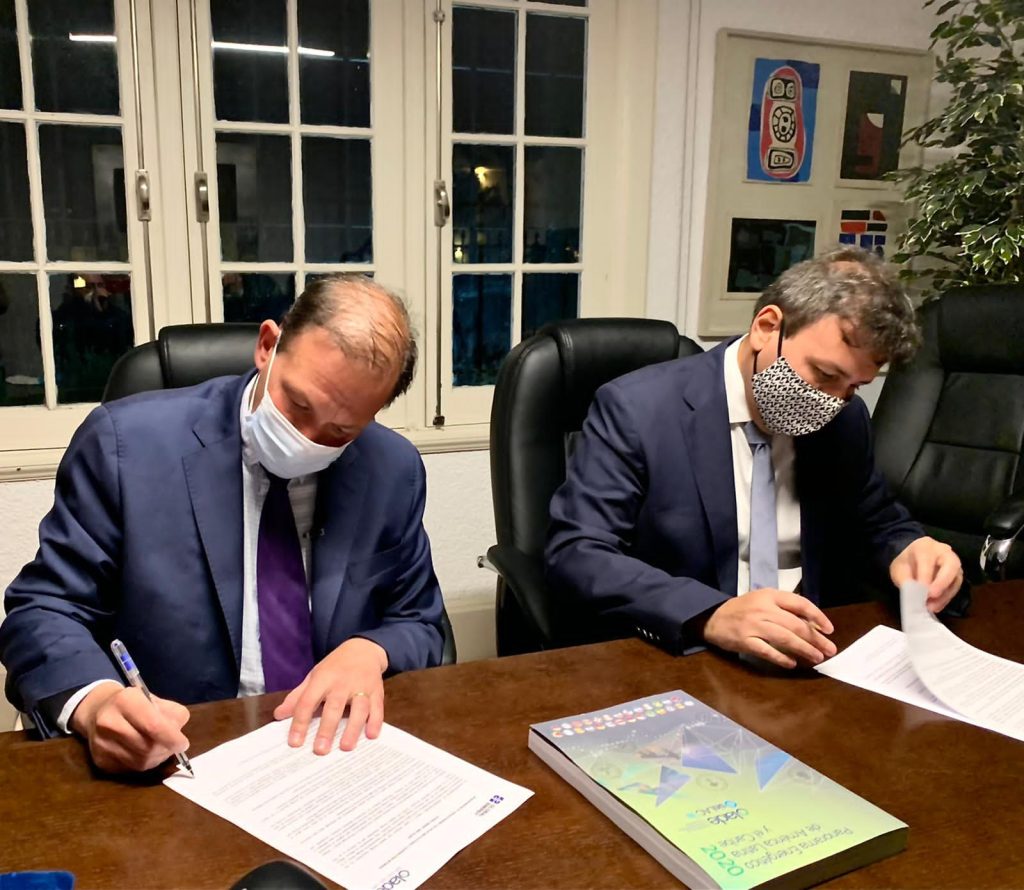
We are pleased to announce that The Latin American and Caribbean Energy Organization (OLACDE) and the Global Energy Association for the Development of International Energy Research and Projects (Global Energy) have just signed an agreement for inter-institutional cooperation and the development of coordinated activities, with emphasis on promoting and strengthening energy development, within a framework […]
A study analyzed the effects of climate change on the energy sector in Latin America and the Caribbean and its consequences
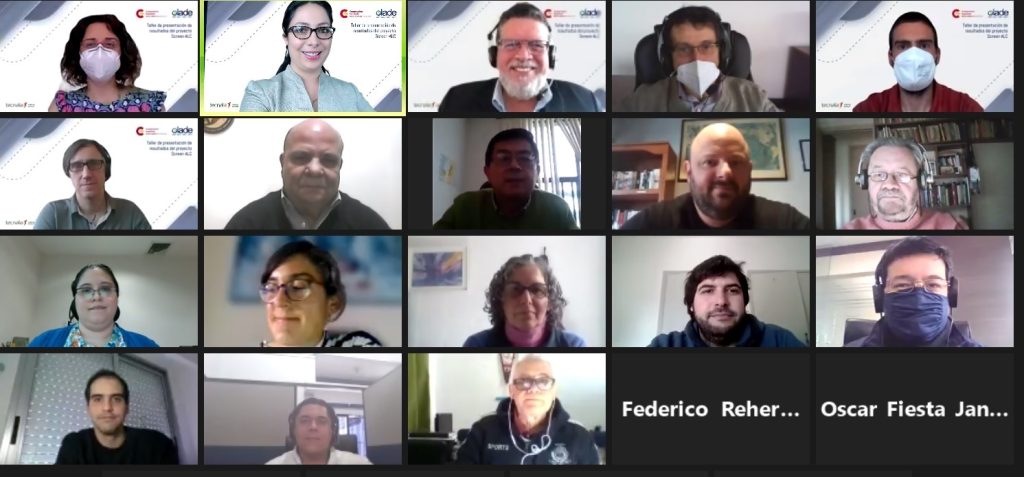
The project “Incidence of climate change on energy planning: screening for the global assessment of vulnerability and climatic risks of the energy system in Latin America and the Caribbean;” implemented by The Latin American and Caribbean Energy Organization (OLACDE) with the financial support of AECID under the Arauclima program and the technical support of the TECNALIA foundation, reaches its culmination phase, after 20 months of implementation in Argentina, Bolivia, Brazil, Chile, Ecuador, El Salvador, Grenada, Honduras, Panama, Paraguay, Peru, Dominican Republic and Uruguay.
In-person work is reactivated at OLACDE offices
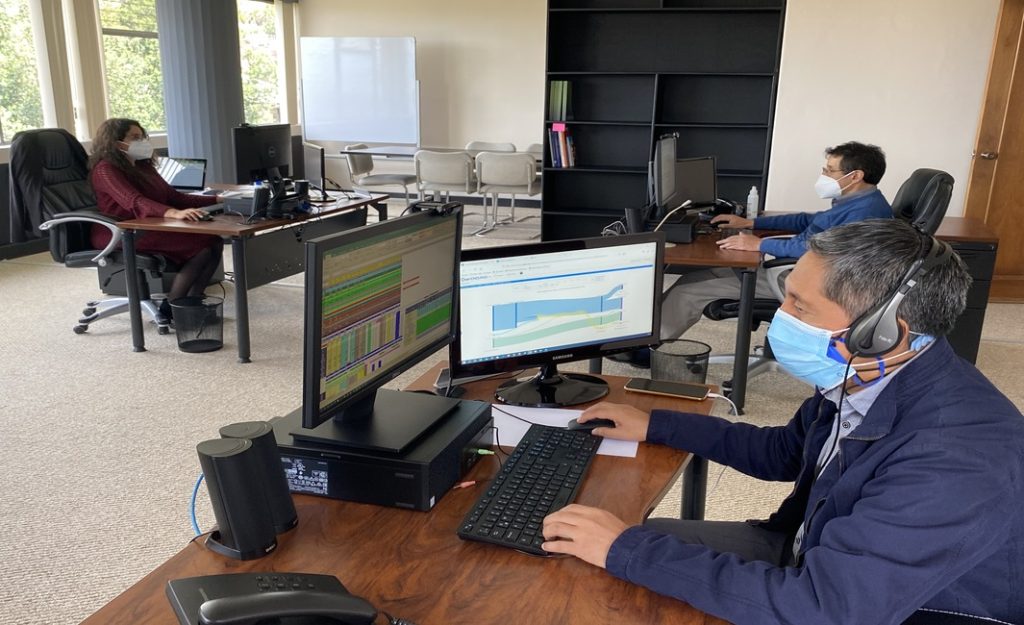
Thanks to the management and support of the Ministry of Foreign Affairs and Human Mobility of Ecuador, host country of The Latin American and Caribbean Energy Organization (OLACDE), 90% of OLACDE’s staff has received the first dose of the vaccine against COVID-19
The enerLAC Journal continues adding academic recognition credits
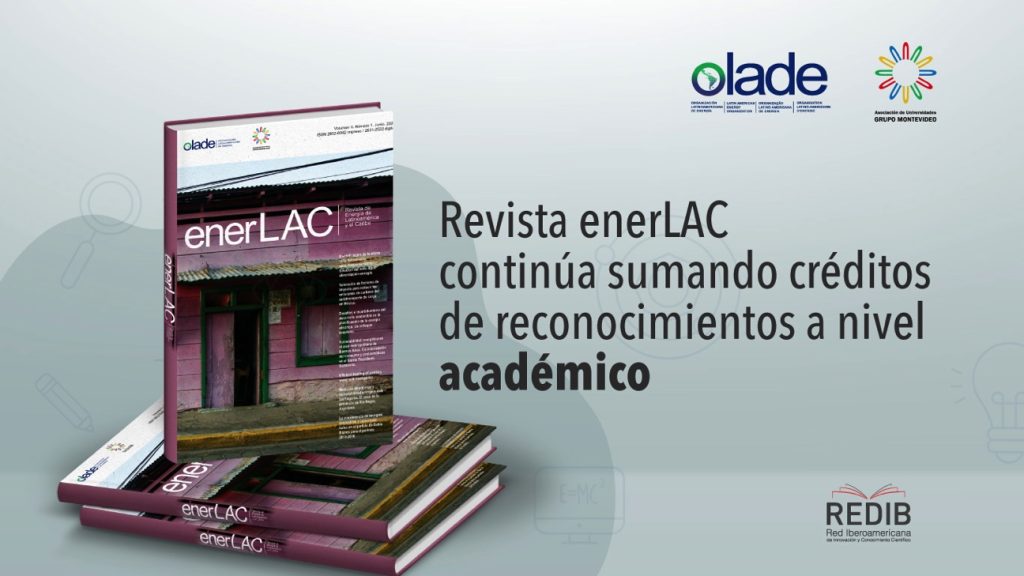
On this opportunity, the Energy Journal of Latin America and the Caribbean (enerLAC), an institutional publication of The Latin American and Caribbean Energy Organization (OLACDE), in cooperation with the Association of Universities of the Montevideo Group (AUGM), has been indexed in the Ibero-American Network of Innovation and Scientific Knowledge (REDIB), which is an initiative promoted by the Spanish National Research Council (CSIC) and the most important network of university cooperation in Ibero-America – UNIVERSIA.
Chile becomes the first country in Latin America to inaugurate a Concentrated Solar Power Plant
Cerro Dominador is the name of the project that is located in the Antofagasta-Chile region and that gives life to the first Concentrated Solar Power Plant (CSP) plant in Latin America. The infrastructure has more than a thousand hectares of surface and with an installed capacity of 110 MW of thermal generation added to 100 MW of photovoltaic. This clean energy that will supply around 380 thousand homes uninterrupted 24 hours a day thanks to its innovative technology.
40 years of OLACDE’s Regional Program for Small Hydropower Power Plants
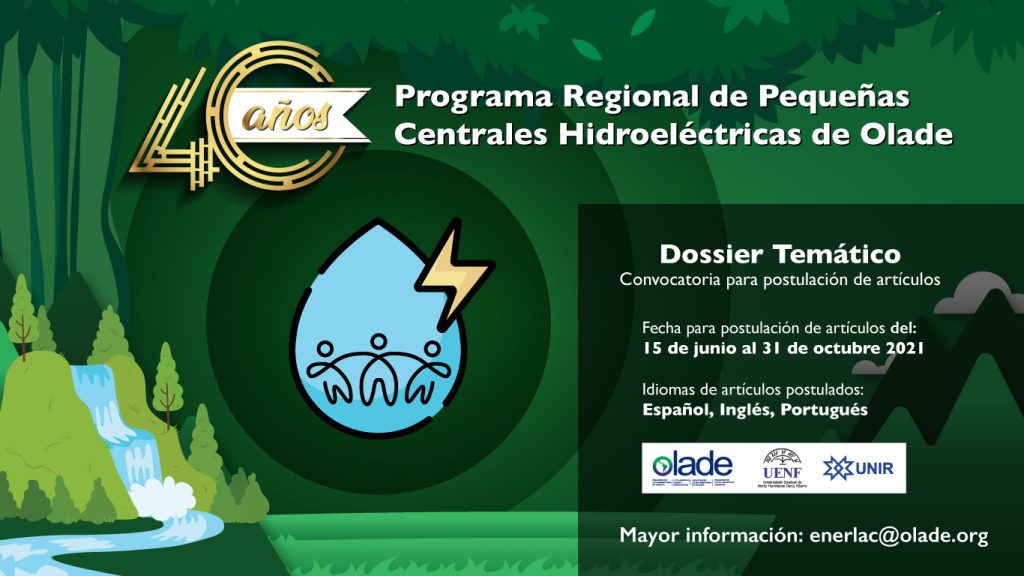
The Latin American and Caribbean Energy Organization (OLACDE) commemorates the 40th anniversary of the Regional Program for Small Hydroelectric Power Plants (PCH), “whose objective was to promote the massive implementation of small hydroelectric power plants in the region, as a partial response to the challenge of developing rural and remote areas by taking advantage of the existing water resources in Latin America and the Caribbean”.
Communication Department
and Institutional Relations
gabriela.jarrin@OLACDE.org
OLACDE and the US Grains Council analyzed the role of biofuels in the decarbonization of transport in Latin America
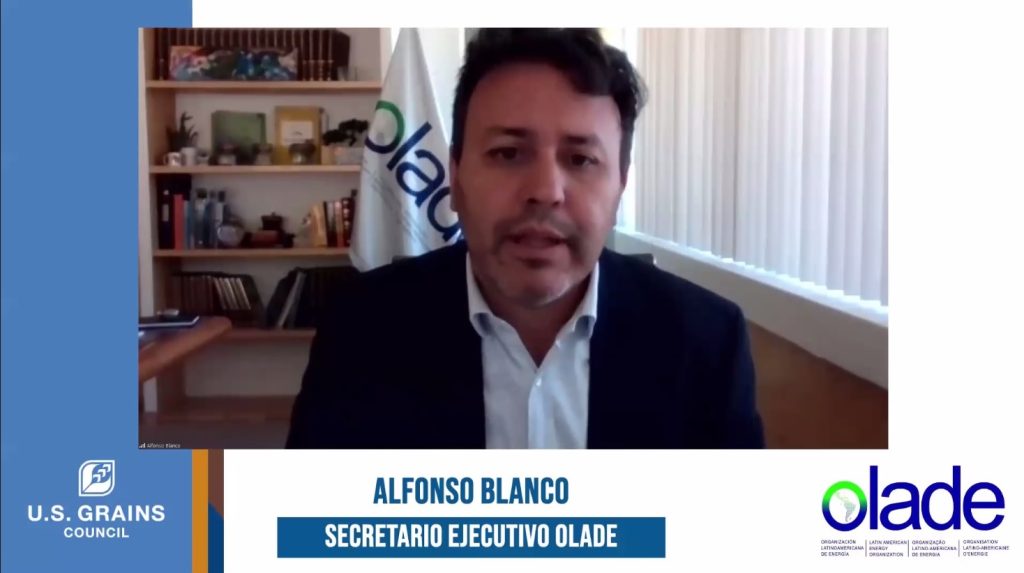
The Latin American and Caribbean Energy Organization (OLACDE) in alliance with the United States Grains Council (US Grains Council), addressed the prospects for the region, analyzing the success stories of fuel decarbonization in Brazil, the United States and the European Union. This seminar held in two days on May 19 and 26, 2021.
Honduras towards the construction of its National Energy Policy 2050
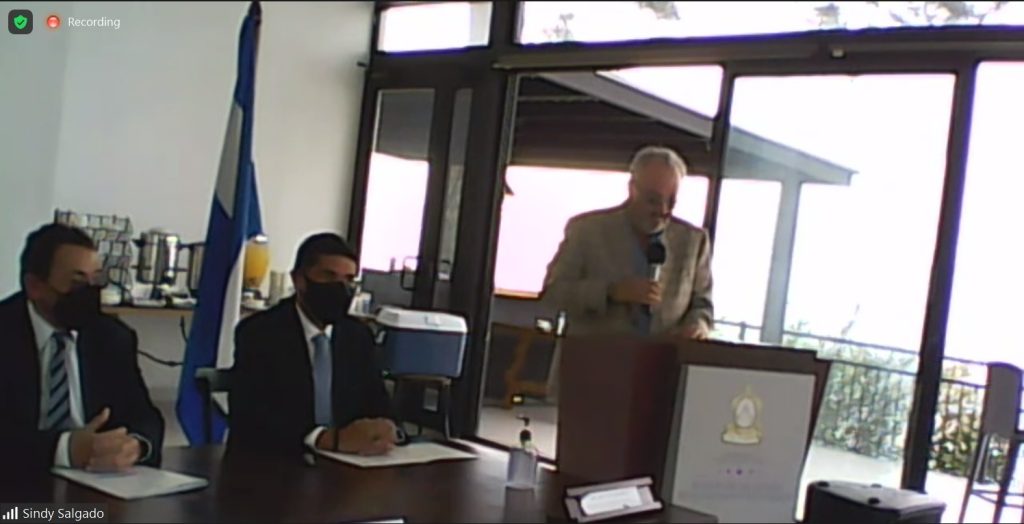
In a blended event, the members of the Energy Advisory Committee of Honduras met for the official delivery of the Roadmap to the Ministry of Energy of Honduras for the process of construction of the National Energy Policy 2050, on the morning of May 19 2021. This Roadmap was supported by the technical contingent of The Latin American and Caribbean Energy Organization (OLACDE).
During the Climate Week of Latin America and the Caribbean 2021, the Executive Secretary of OLACDE presented the LAC strategy for the Energy Transition
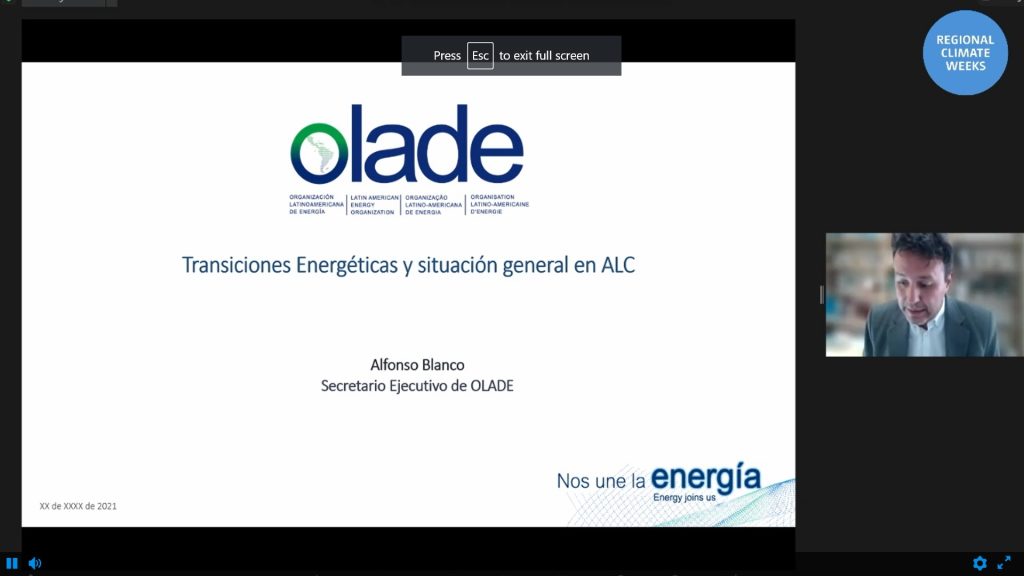
This year the Climate Week of Latin America and the Caribbean (LAC) 2021 took place virtually from May 11 to 14. This event is the preamble to the United Nations Climate Change Conference 2021 (COP26) to be held in Glasgow (United Kingdom) in November.
The modernization of the OLACDE facilities with safe workspaces for the post-pandemic return continue
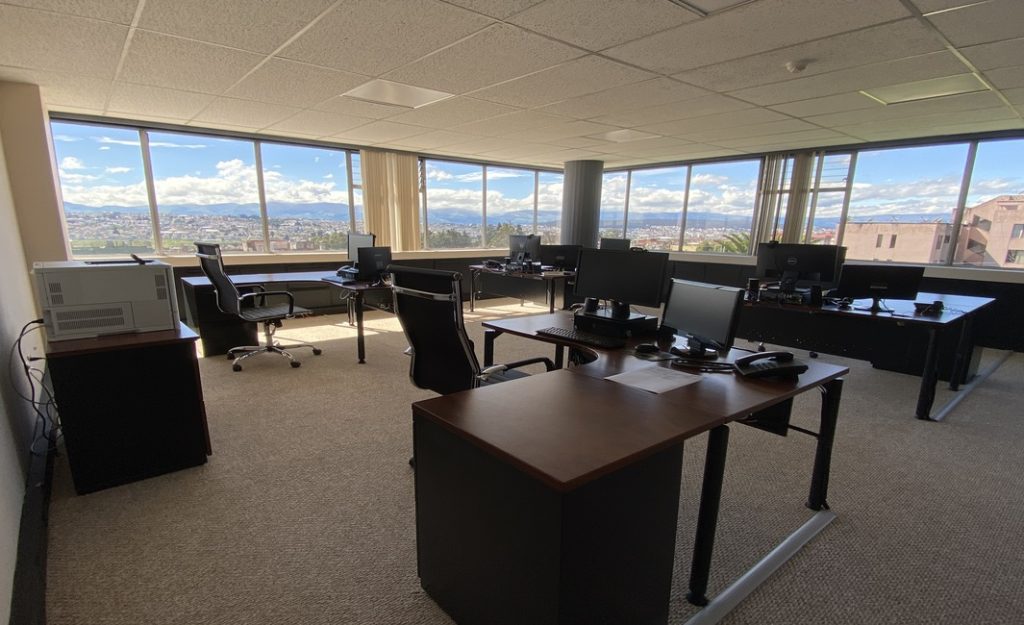
The offices of the headquarters of The Latin American and Caribbean Energy Organization (OLACDE), in Quito-Ecuador, took a new image after the process of remodeling and implementation of new equipment and office furniture for a safe post-pandemic return of its officials.
