


Havana hosts the LXI Session of the OLACDE Board of Experts and the meeting of advisors for the Latin American and Caribbean Energy Information System
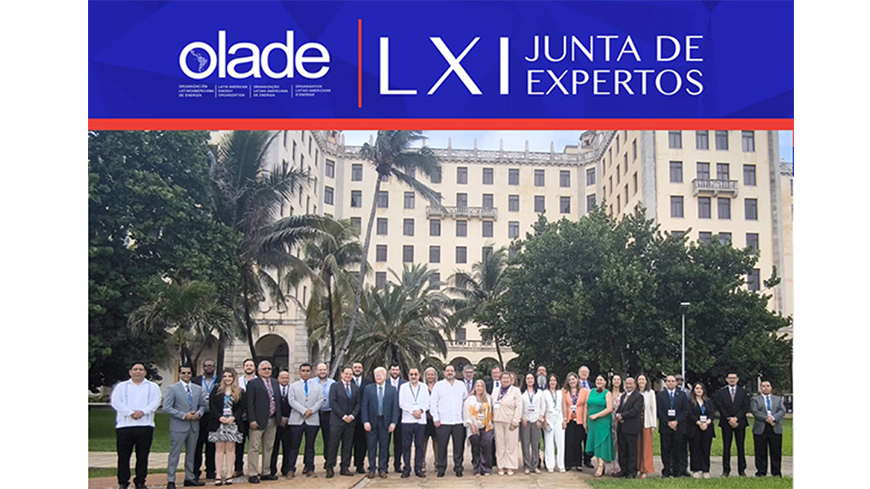
Havana, Cuba, became the focal point of the Latin American and Caribbean energy sector on June 12-13, 2024, by hosting the LXI Ordinary Session of the Board of Experts of The Latin American and Caribbean Energy Organization (OLACDE). This event marked the beginning of preparations for the upcoming LIV Meeting of Energy Ministers of Latin America and the Caribbean, supported by the Cuban Ministry of Energy and Mines (MINEM) and in collaboration with the EU-Cuba experience exchange project, coordinated by the International and Ibero-American Foundation for Administration and Public Policies (FIIAPP/Spanish Cooperation).
G20: MME discusses the future of energy planning in Latin America and the Caribbean
During a parallel event of the G20 Brazil, held in Belo Horizonte (MG) this Wednesday (28), international specialists participated in a debate about the future of energy planning in Latin America and the Caribbean. The discussion was promoted by The Latin American and Caribbean Energy Organization (OLACDE).
Latin American Energy Organization (OLACDE) presents its new Energy Inflation Indicator for Latin America and the Caribbean (IE-LAC)
In March 2024 the monthly energy inflation in LAC was 0.58% and the annual rate 1.96%
Vice Ministers of Energy Meet to Promote Electric Integration in South America
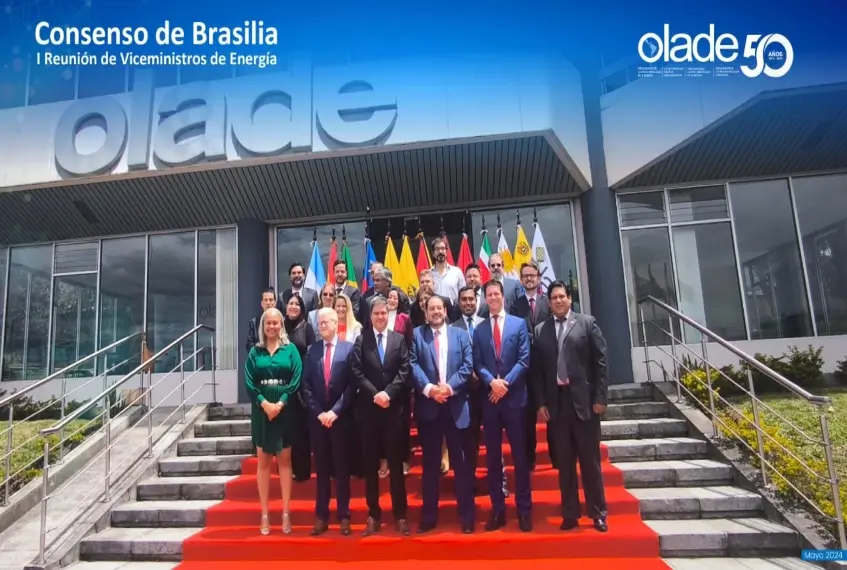
The Vice Ministers of Energy from the twelve South American nations met on May 10, 2024, at the headquarters of The Latin American and Caribbean Energy Organization (OLACDE), within the framework of the Brasília Consensus (CB). This integration initiative aims to strengthen ties between neighboring countries and project South America’s voice on the global stage.
AGENDA OLACDE – GUATEMALA: Momentum Towards Sustainable Energy for Latin America and the Caribbean
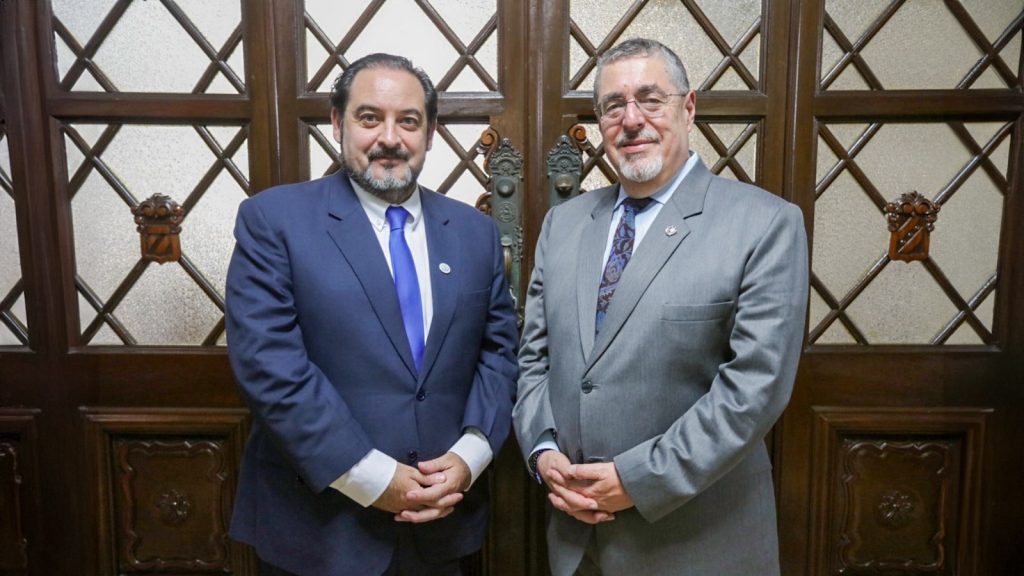
In a series of strategic meetings, the Executive Secretary of The Latin American and Caribbean Energy Organization (OLACDE), Andrés Rebolledo, along with the Director of Integration, Access, and Energy Security, Gloria Alvarenga, conducted an intense work agenda in Guatemala.
OLACDE presents a study on the impact of climate change on the energy infrastructure of Latin America and the Caribbean
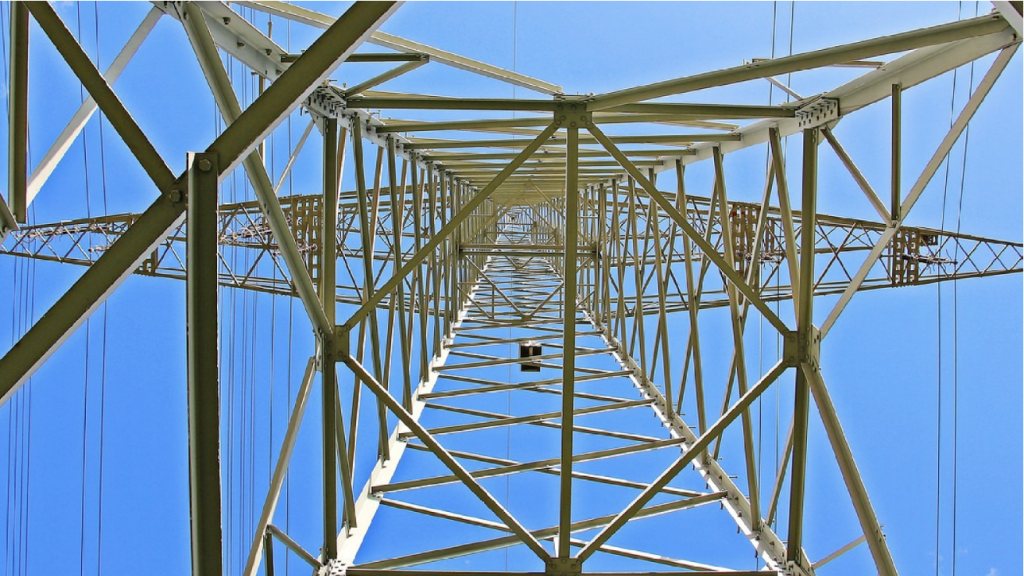
In the case of photovoltaic plants, above a threshold of 25°C, if the temperature rises by 1ºC, energy production decreases by 0.66%.
Join the IX Energy Week of The Latin American and Caribbean Energy Organization (OLACDE) and be part of the Energy Transformation of Latin America and the Caribbean
Join the IX Energy Week of The Latin American and Caribbean Energy Organization (OLACDE) and be part of the Energy Transformation of Latin America and the Caribbean
The record year for wind energy demonstrates its growth according to GWEC
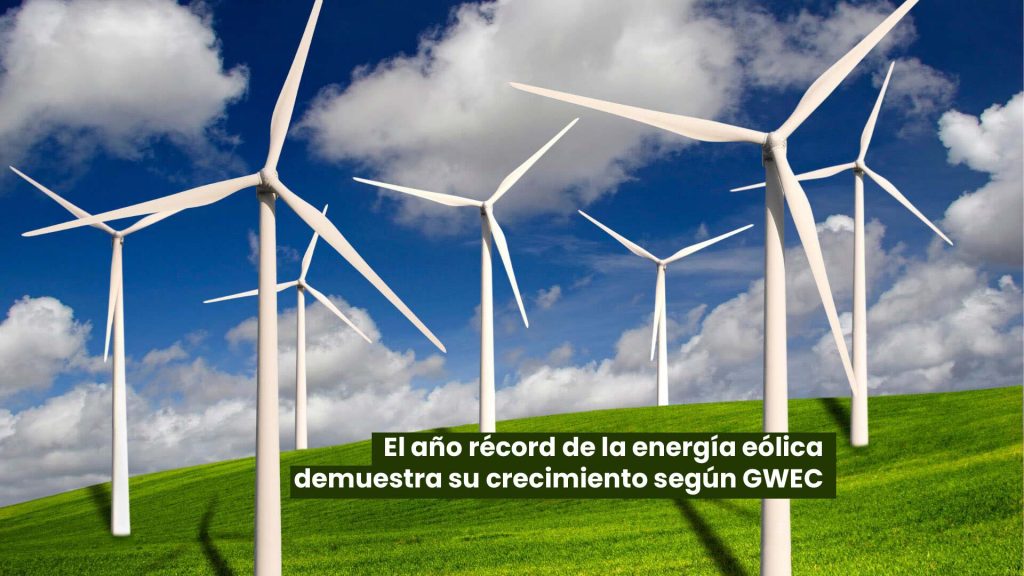
According to data from the Global Wind Energy Council, the global wind sector installed a record 117 GW of new capacity in 2023, making it the best year in history for new wind energy production.
Launch of the Useful Energy Balance – Paraguay
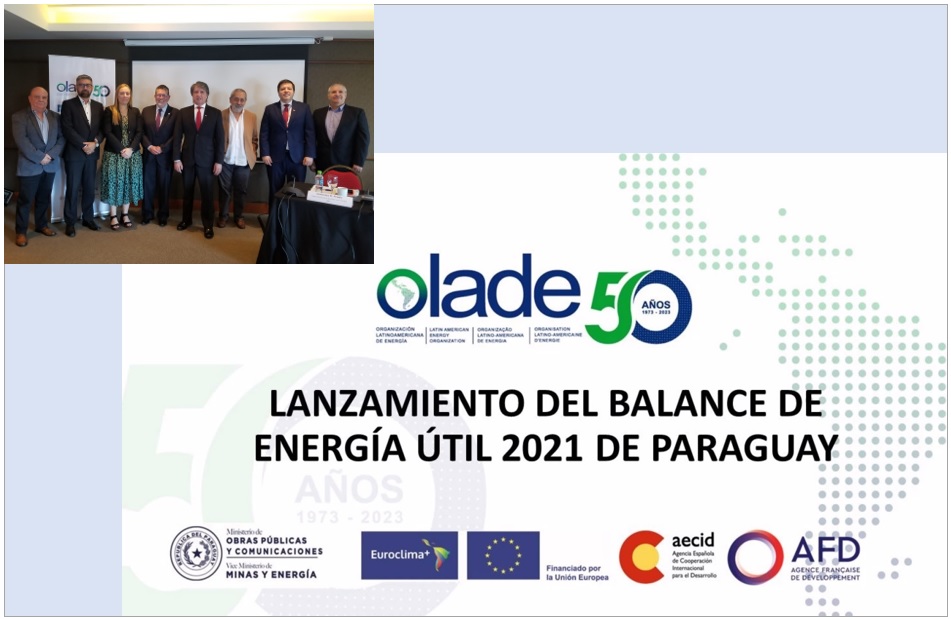
The Useful Energy Balance (BEU, for its acronym in Spanish) for the Republic of Paraguay was launched on Wednesday, April 26, in an activity organized by the Vice Ministry of Mines and Energy of the Ministry of Public Works and Communications of that country and The Latin American and Caribbean Energy Organization (OLACDE).
White Paper Launch: “Natural gas in the transition to low-carbon economies: the case of Latin America and the Caribbean OLACDE-IGU-ARPEL
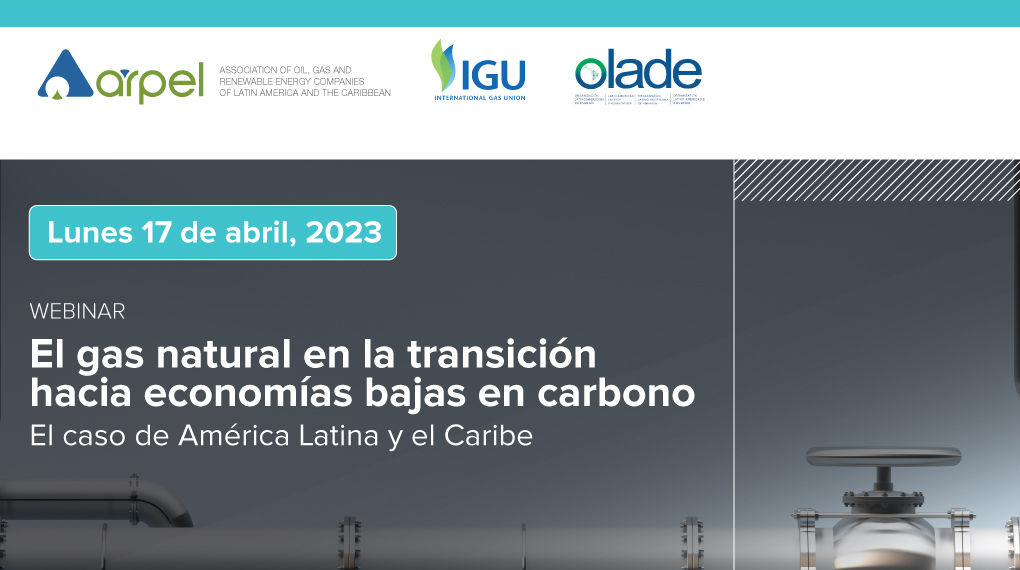
ARPEL, the International Gas Union (IGU) and The Latin American and Caribbean Energy Organization (OLACDE) announce the publication of a critical document at a vital time: “Natural Gas in the Transition to Low-Carbon Economies – The Case for Latin America and the Caribbean.”
