
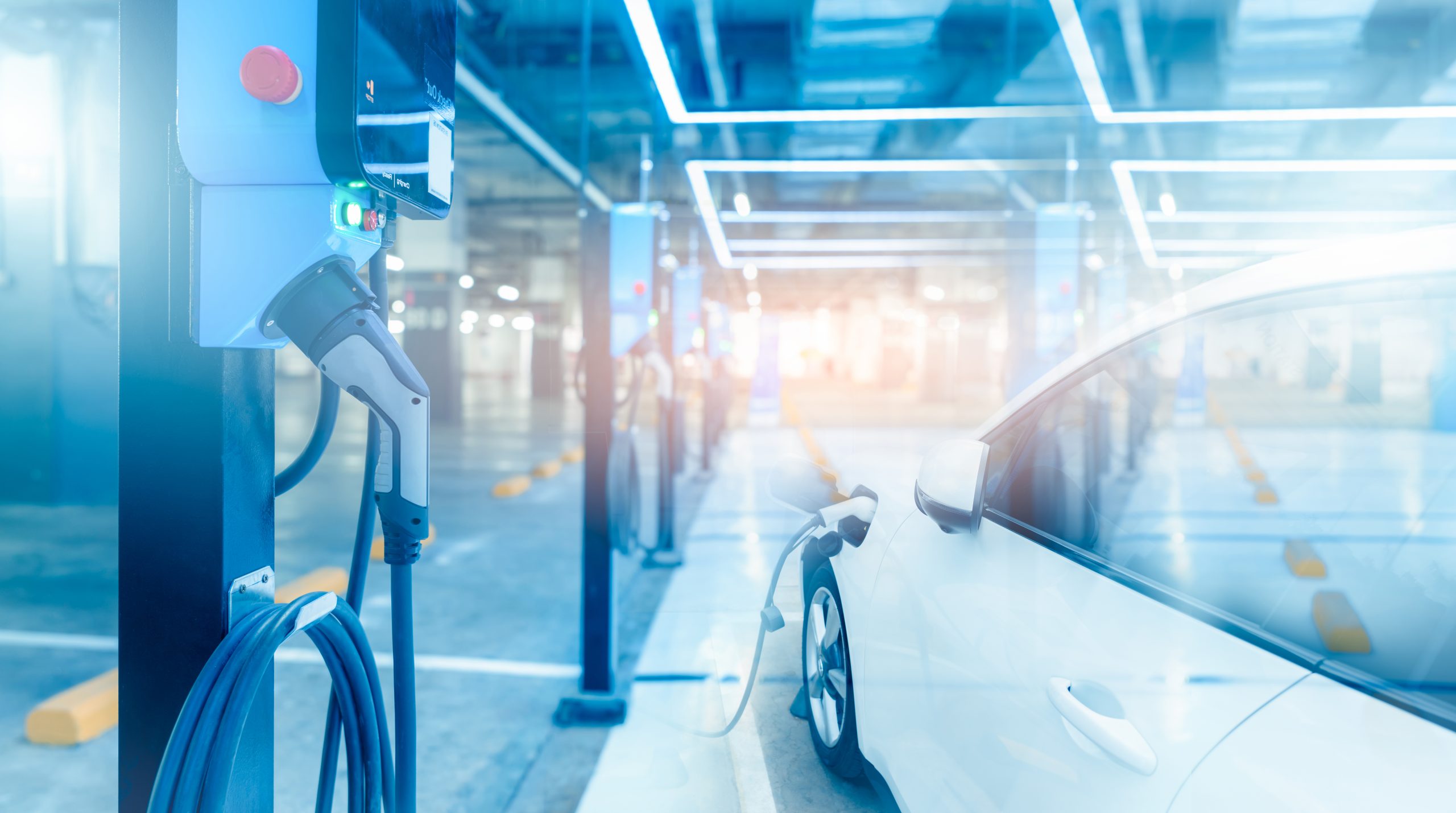
Electromobility gains ground in Latin America and the Caribbean

An urban choreography unfolds every dawn across Latin America and the Caribbean: the low, metallic hum of millions of engines starting in unison to navigate traffic, distance, and time. For years, that soundtrack has been sustained by conventional hydrocarbon infrastructure, which underpins much of the region’s energy security. Yet in the quiet of garages and the gradual transformation of our avenues, a complementary drive for efficiency has begun to redraw the map.

The region has moved beyond the theoretical promise of electromobility; the numbers now demonstrate its progress. According to OLACDE’s latest Electric Mobility Monitor, the electrified light-duty vehicle fleet—which includes plug-in hybrids and battery electric vehicles (BEVs)—officially surpassed one million units, reaching 1,016,034 as of June 2026, after adding nearly 286,000 new vehicles in the first half of the year.

For grid engineers, urban planners, and policymakers, this has become an urgent challenge that has moved well beyond the drawing board. What makes this growth both compelling and technically complex is its striking unevenness. While Brazil’s light-duty fleet now exceeds 581,000 vehicles and Chile leads the way in public transport with 5,059 electric buses, structural challenges differ across national borders.

Behind every charging connector lies a clear economic equation: the fleet currently on the road delivers combined annual savings of US$1.519 billion—approximately US$4 million a day. At the individual level, an electric bus saves around US$26,210 annually, compared with US$2,240 for a battery electric light-duty vehicle.

The challenge remains to develop an electric mobility system supported by adequate charging infrastructure. While Chile has nearly 13 public charging stations per 100 electrified vehicles, much of the region lags behind, with fewer than two stations per 100 vehicles.

Addressing these gaps requires integrating data, aligning electricity regulation with transport planning, and recognizing electromobility as an integral part of energy security policy.

This makes the upcoming gathering essential. On November 26, 2026, OLACDE’s headquarters in Quito, Ecuador, will open its doors for the First Regional Summit on Sustainable Mobility, a vital technical forum for turning today’s gaps into a roadmap for the region’s future.

Share this news

Electromobility gains ground in Latin America and the Caribbean

Newsletter summary

Electromobility gains ground in Latin America and the Caribbean

Capacity building & knowledge

We advance high-level technical training programs that foster experience-sharing and develop the human and institutional capacities required to drive energy transformations across our region.

Our academic programs offer executive courses, postgraduate diplomas, master’s degrees, and innovative initiatives focused on key areas such as the energy transition, conventional and renewable energy, electromobility, and regional integration.

OLACDE builds a regional network of energy expertise, connecting governments, young professionals, academics, and industry experts to foster collaborative solutions through technical cooperation and talent development to address future energy and climate challenges.

Technical cooperation & climate finance

We strengthen South-South and triangular cooperation as key drivers to accelerate energy transitions across Latin America and the Caribbean. OLACDE unites efforts among governments, multilateral organizations, academic institutions, and the private sector to mobilize financing, technical expertise, and innovative solutions tailored to our regional context.

We advance strategic initiatives aimed at directing resources toward decarbonization, conventional energy, renewables, and energy justice projects—building a more efficient, inclusive, and sustainable regional cooperation architecture.

Regional energy community

We are building a regional energy community with a global outlook, positioning Latin America and the Caribbean as a pivotal player on the international stage. OLACDE amplifies regional representation in key multilateral energy, trade, and climate forums by fostering strategic alliances and international cooperation.

Through flagship events such as Energy Week and new spaces for high-level dialogue, we champion a collective voice that attracts investment, drives technical partnerships, and unlocks sustainable development opportunities across our region

Energy transition & strategic projects

We foster a regional energy transition built on sustainability, energy security, and social inclusion. OLACDE supports Member Countries in adopting emerging technologies—such as energy efficiency, storage solutions, green hydrogen, electromobility, and grid digitalization—to accelerate the sector’s decarbonization.

Our approach promotes strategic projects that strengthen energy resilience across Latin America and the Caribbean, reducing emissions while building a cleaner, more competitive energy infrastructure. Key regional initiatives, including OEMLAC, position our region as a benchmark for climate innovation and sustainable energy development.

Energy information and data

We develop regional platforms dedicated to energy intelligence, technical analysis, and strategic data systems that empower both public and private decision-making across the sector. OLACDE drives digital transformation in energy by leveraging artificial intelligence, georeferencing, and advanced analytical tools to map regional energy trends.

The integration of systems such as SieLAC, along with new regional digital platforms, consolidates reliable, up-to-date technical data—enabling modern, interoperable, and evidence-based energy planning.

Regional energy integration

We foster cooperation across the regional energy sector by prioritizing infrastructure development, cross-border collaboration, and regulatory alignment to enhance energy security in Latin America and the Caribbean. OLACDE coordinates strategic projects in power grid interconnections, natural gas integration, and joint energy planning to build resilient, sustainable partnerships.

Working alongside the governments of our 27 Member States, regional blocs, multilateral institutions, and key public and private stakeholders, we drive initiatives that introduce innovative energy exchange mechanisms, strengthen national capacities, and accelerate a unified regional energy transition.