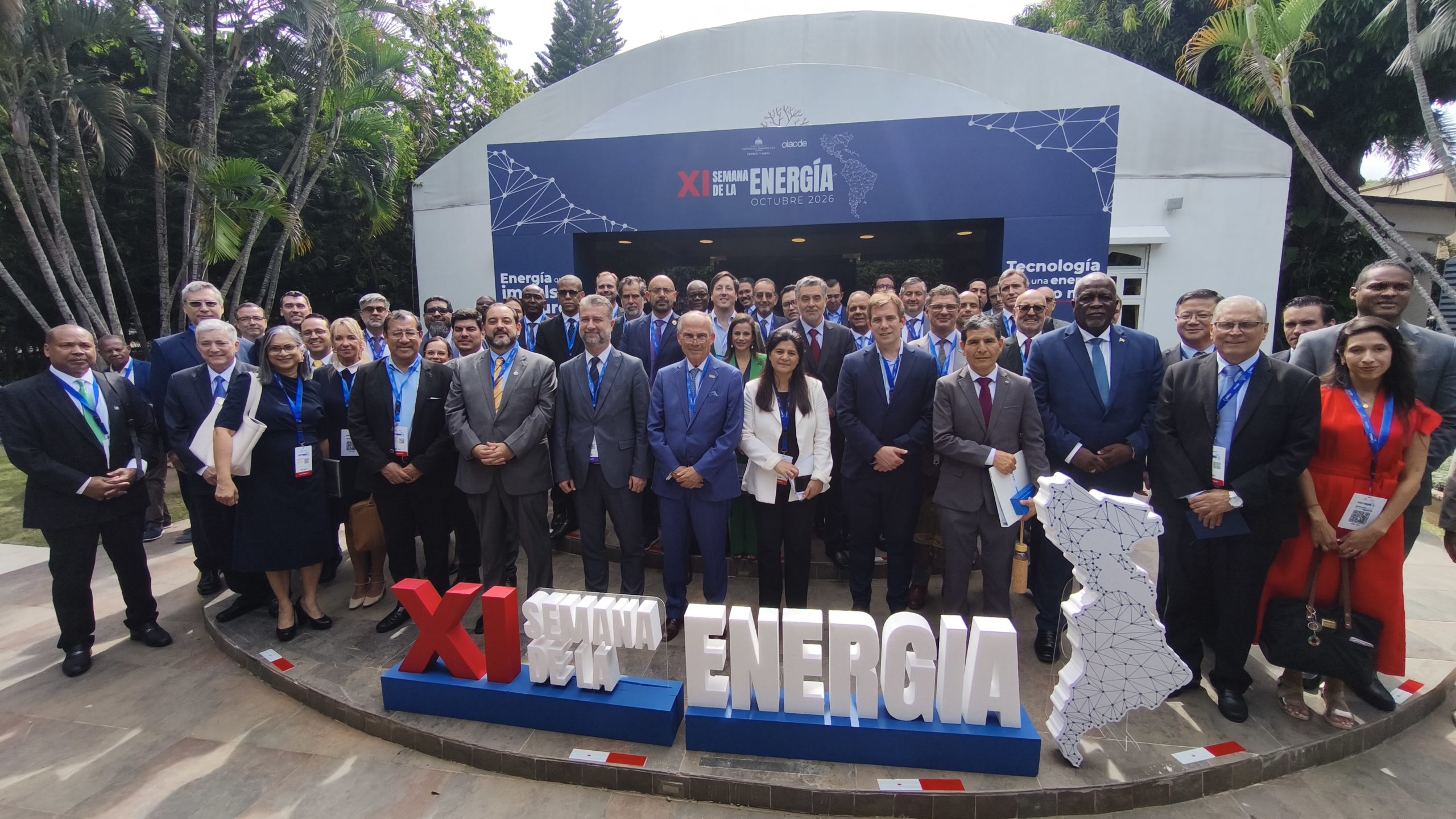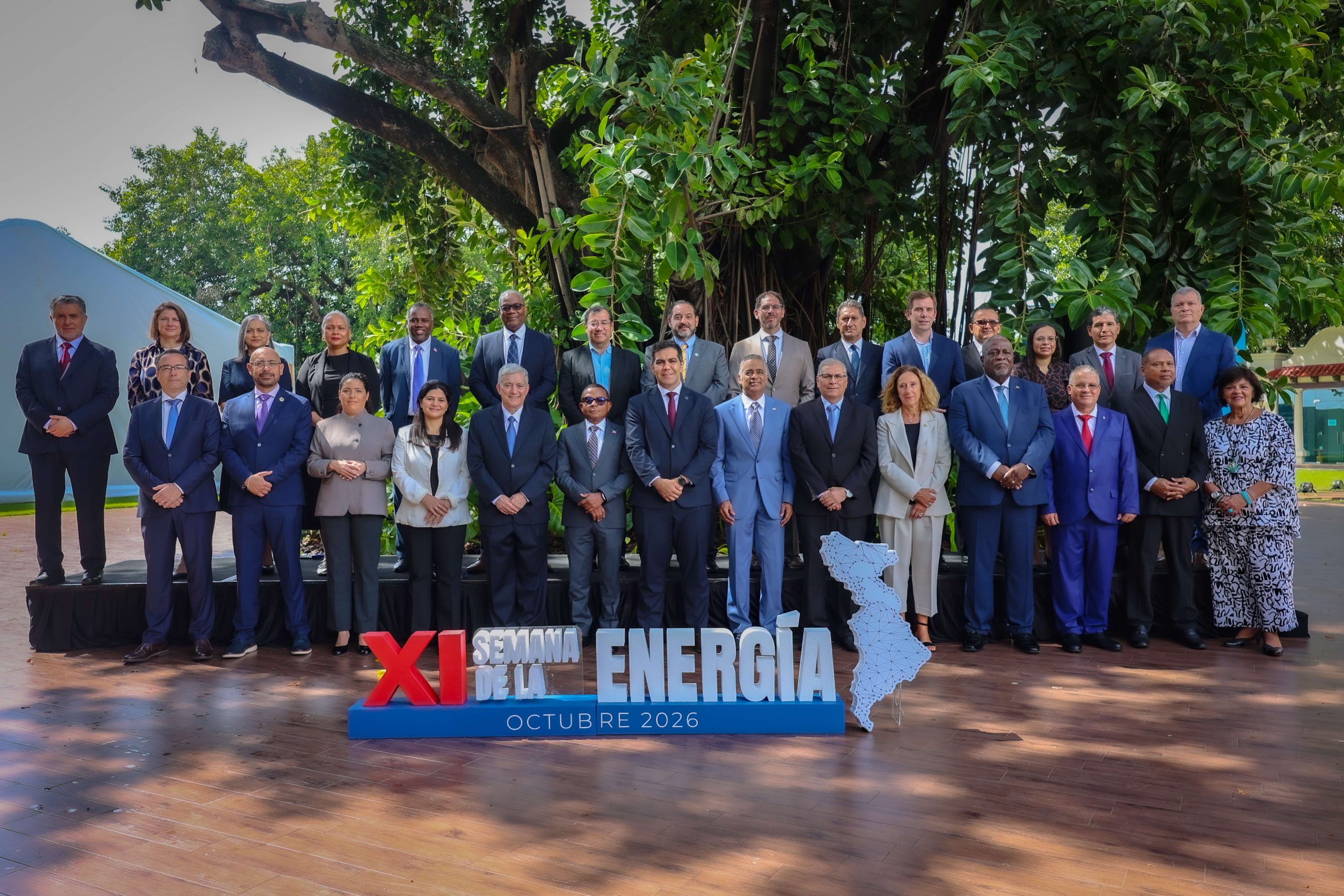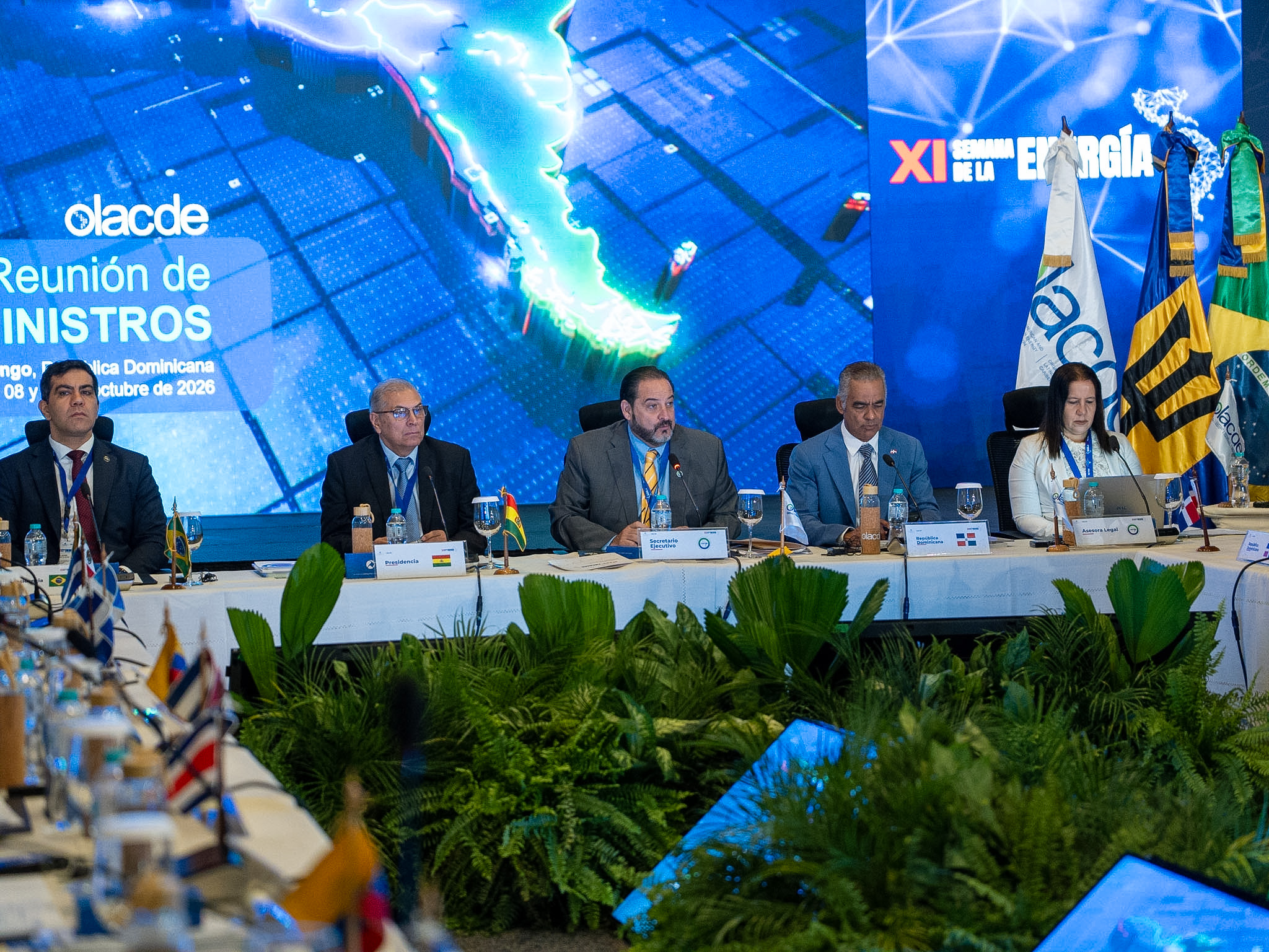
With strong participation from delegations representing 27 member countries, the 56th Meeting of Ministers of the Latin American and Caribbean Energy Organization (OLACDE) concluded on Friday. The annual meeting—the organization’s highest policy and decision-making body—took place in Santo Domingo on 8 and 9 October, alongside the 11th Energy Week.
Building on the priorities of regional integration, security of supply and the urgent need for investment discussed at the opening of the ministerial forum, the authorities reviewed the global energy landscape and reiterated the need for cooperation among countries. They emphasized regional energy integration as a priority in addressing the effects of global armed conflict on the region. They consequently adopted a set of practical resolutions designed to guide the region’s energy future.
Understanding the role of this forum is essential to appreciating the scope of these agreements. The Meeting of Understanding the role of this forum is essential to appreciating the scope of these agreements. The Meeting of Ministers is OLACDE’s policy cornerstone: the annual forum where the region’s top energy authorities come together to translate shared needs into official policy directions. Ministerial Decisions reflect the agreements reached by these authorities through high-level policy dialogue and establish the strategic priorities that guide the work of OLACDE and its member countries. The main agreements are outlined below for the media and the general public.
Key ministerial agreements for the region:
- Artificial Intelligence and Energy (Ministerial Decision LVI/D/586): Ministers agreed to undertake a regional assessment of the impact of artificial intelligence (AI) on the electricity sector—including demand from data centres—and established a Technical Group (GTO) to ensure the ethical, secure and efficient use of these tools in smart grids and renewable energy.
- Electrification of Energy Demand (Ministerial Decision LVI/D/587): Ministers approved work to advance an assessment and regulatory frameworks that facilitate the use of electricity in priority end-use sectors, while promoting storage technologies and smart demand management.
- Establishment of the Regional Youth Council on Energy (Ministerial Decision LVI/D/588): This permanent forum for dialogue and participation was established to formally incorporate the perspectives, proposals and capabilities of younger generations into regional energy sustainability and the energy transition.
- Circular Economy and Life-Cycle Management (Ministerial Decision LVI/D/589): A mandate was established to assess and promote life-cycle management for clean technologies—including the recycling of solar panels and electric vehicle batteries—as well as the productive use of industrial waste and gas otherwise flared, and the development of carbon capture projects.
- Targeting Energy Subsidies (Joint Declaration): In a declaration supported by a majority of countries, members highlighted the need to modernize subsidies through data interoperability tools and stronger institutional capacity. The aim is to ensure that government support reaches vulnerable groups efficiently, without compromising fiscal sustainability and while respecting each state’s sovereignty.
By adopting these technical decisions and joint commitments, the 56th Meeting of Ministers reaffirmed the commitment of Latin American and Caribbean countries to advancing a more inclusive, technologically advanced and fiscally responsible energy transition. The agreements reached in Santo Domingo establish a clear roadmap to strengthen regional cooperation, drive innovation and ensure sustainable development that directly benefits people across the region.