As part of the Screen–LAC II Project, which seeks to increase the resilience of the energy sector to climate change in Latin America and the Caribbean, a technical session was held in the Dominican Republic with financial support from the Spanish Agency for International Development Cooperation (AECID) and technical assistance from TECNALIA.
The second stage of the study is currently being implemented in five pilot countries, including the Dominican Republic, where climate risks affecting strategic facilities such as the natural gas terminal, the Punta Catalina coal-fired power complex and the Nizao River hydroelectric complex are being analyzed. These analyses make it possible to identify critical vulnerabilities and define adaptation measures that strengthen the operational continuity of the national energy system.
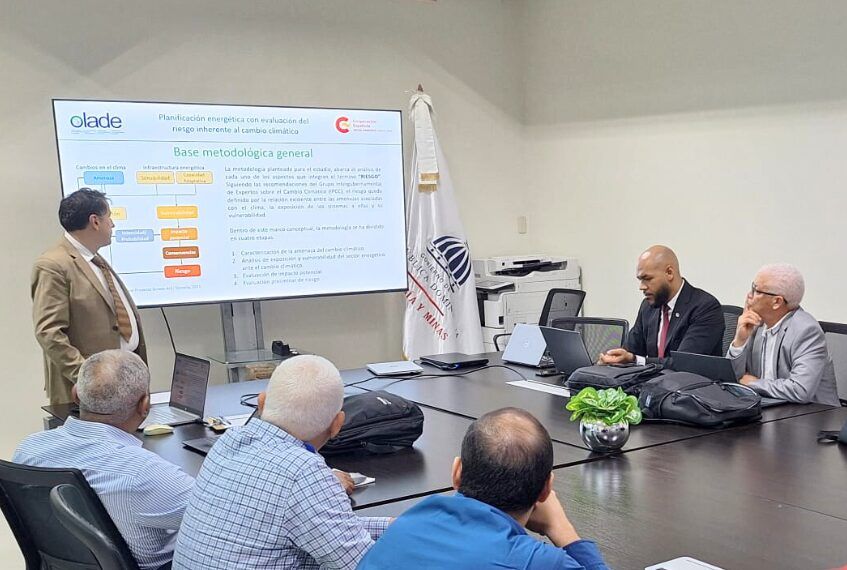
As part of these actions, an in-person workshop was held with sector specialists to present progress and discuss adaptation strategies. The event included the participation of Fabio García, OLACDE specialist in Studies, Projects and Information, who presented the project’s progress and facilitated technical dialogue with local teams.
Continuing with the work agenda, García took part in a technical meeting at the Dominican Republic’s Ministry of Energy and Mines, where key issues for integrating climate risk management into the country’s energy planning were addressed.
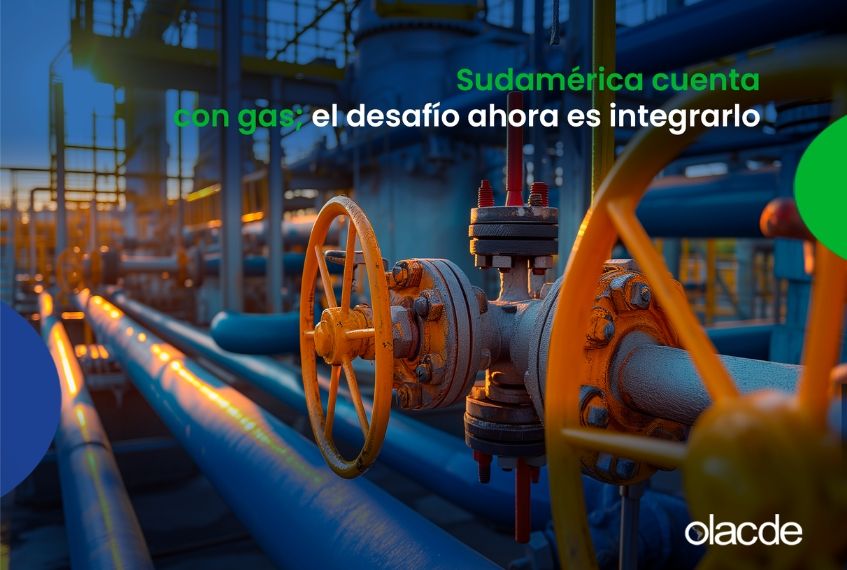
A technical visit was subsequently made to the facilities of AES Dominicana’s Natural Gas Terminal, where its operational capabilities, safety mechanisms and contribution to the country’s energy supply were reviewed. This experience provided deeper insight into the potential risks associated with extreme weather events and the mitigation measures needed to ensure a safe and sustainable supply.
OLACDE reaffirms its commitment to strengthening technical capacities and developing tools that enable Latin American and Caribbean countries to move toward more robust, resilient energy planning aligned with current climate challenges.