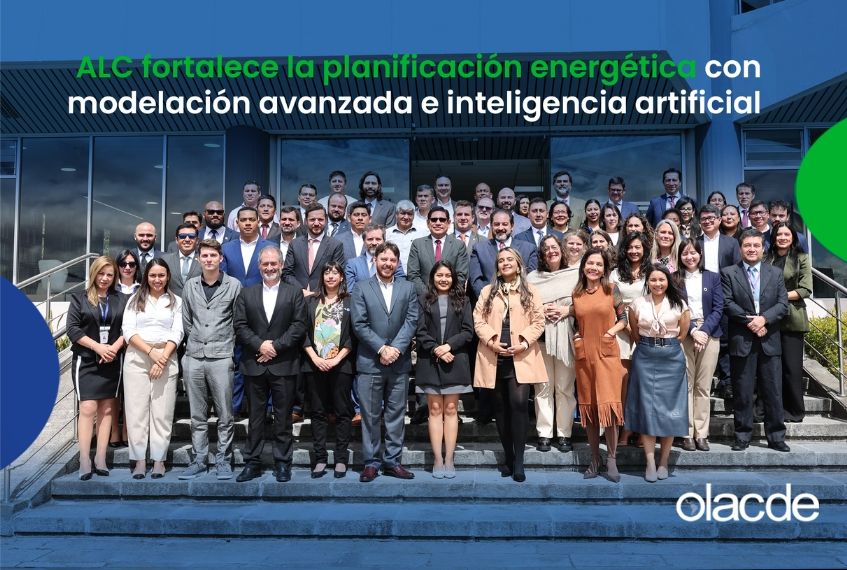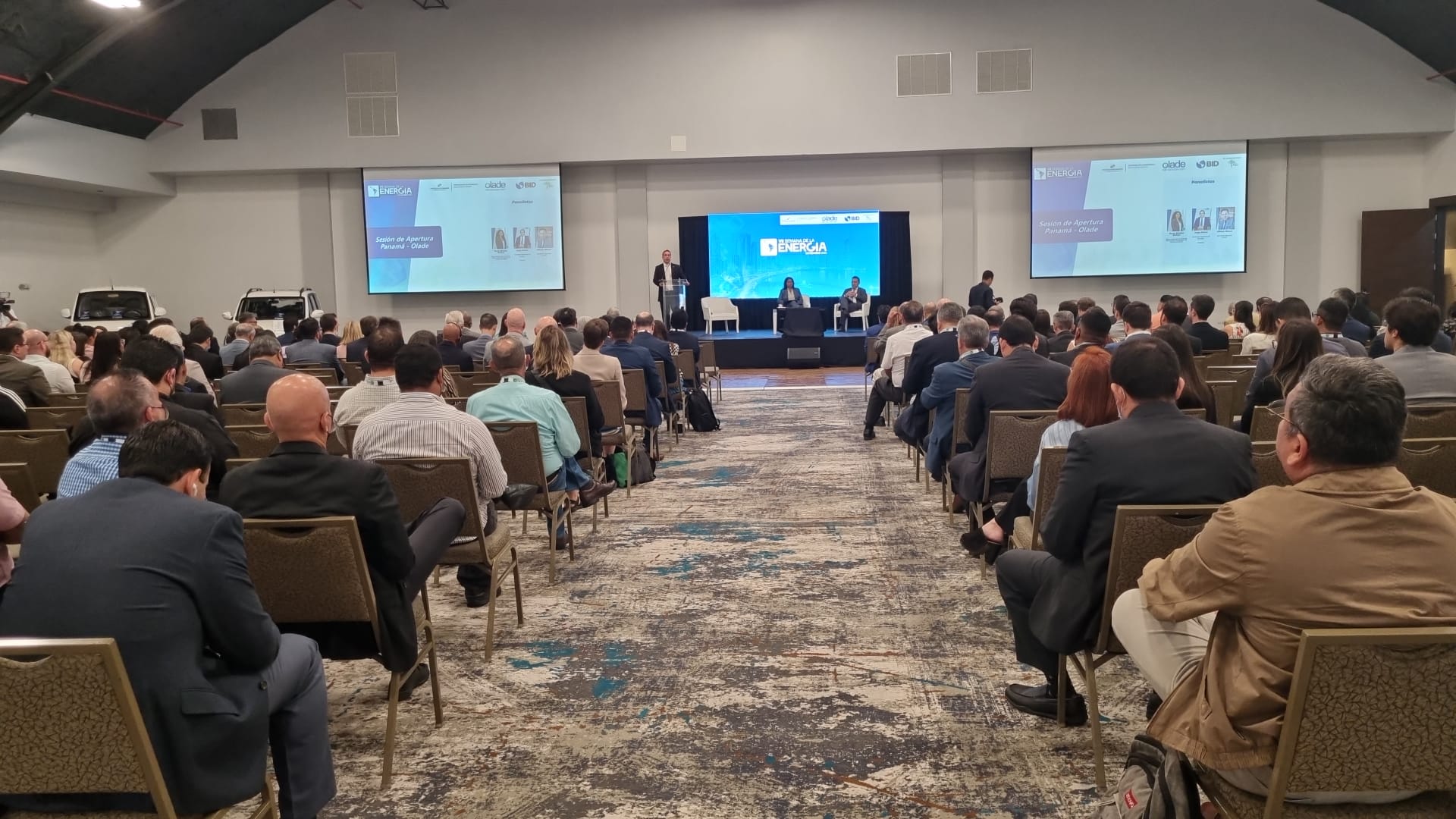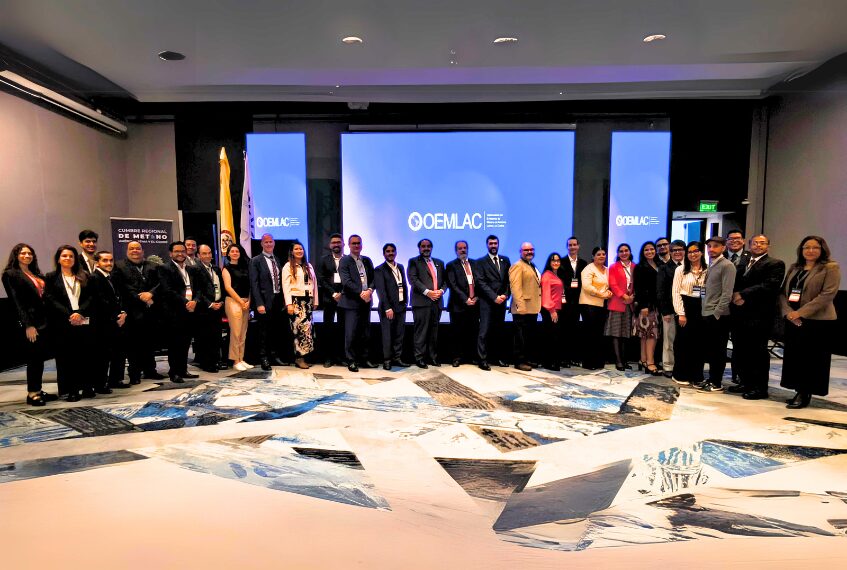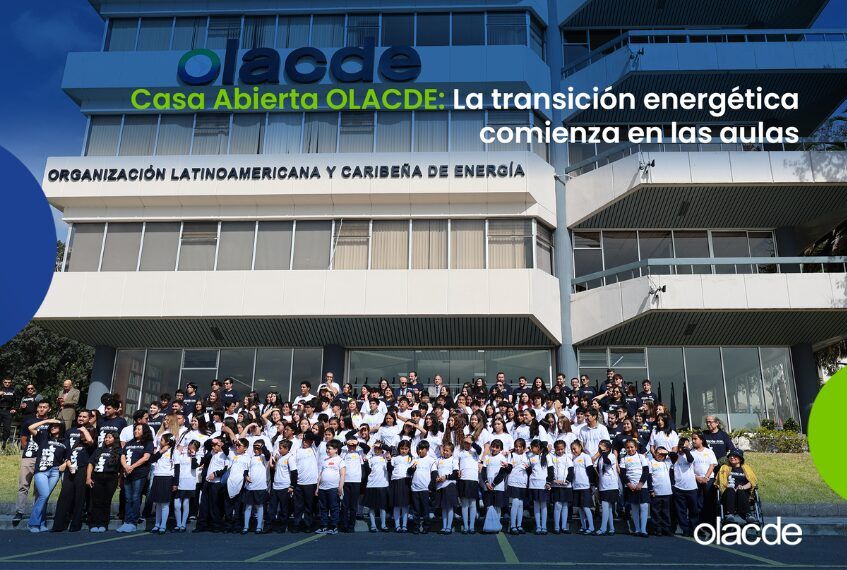
The 2026 OLACDE Open House offered a space where new talent could connect with the future of energy. The Latin American and Caribbean Energy Organization (OLACDE) successfully held this first edition, an innovative initiative that brought together students, academics, scientists, authorities, diplomatic representatives and experts to provide energy knowledge to children and young people through practical, immersive experiences.
Attendees took part in interactive labs and technology challenges related to hydrogen, solar energy, energy efficiency, urban sustainability and renewable energy. Through hands-on stations developed in collaboration with Ecuadorian universities and specialized organizations, students directly experienced how the technologies currently driving the global energy transformation work.
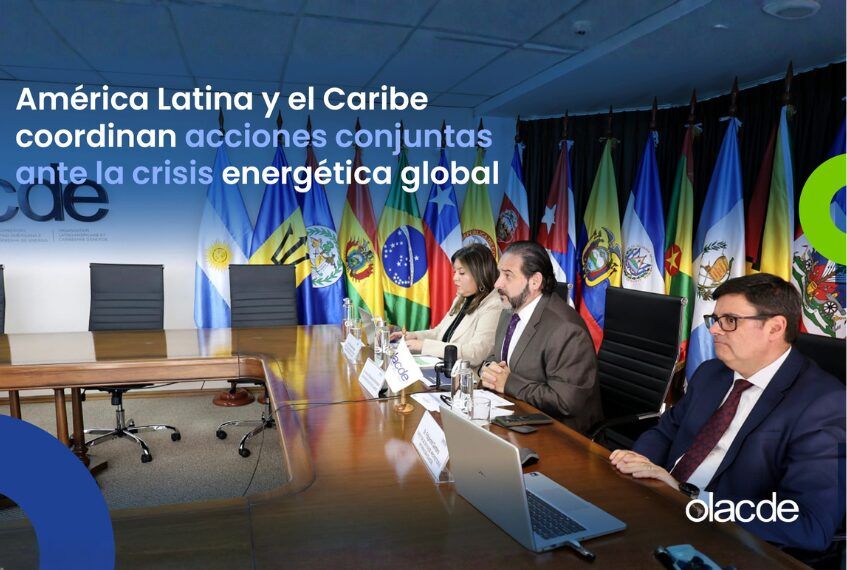
The event was attended by OLACDE’s Executive Secretary, Andrés Rebolledo; Ecuador’s Minister of Energy and Mines, Juan Carlos Blum; as well as representatives of the diplomatic corps of Colombia, the chargé d’affaires of the mission of Algeria in Ecuador, Mr. Taazibt Lounes, the Ambassador of Chile, Carola Muñoz, and the Ambassador of Uruguay, Fernando Sandín Tuss, who support this initiative aimed at strengthening interest in science, technology and innovation among the new generations.
“Today we are opening OLACDE’s doors, for the first time, to girls, boys and young people, so they can explore, experiment, ask questions and become familiar with energy; with the challenges that exist in this sector: from producing electricity to transportation and the need to keep transforming and decarbonizing these sectors,” said the organization’s executive secretary.
This event carried special significance given that Latin America and the Caribbean is seeking to build the human capacity needed to carry out a just and inclusive energy transition, since, even though the percentage of women in the sector has increased, their representation remains limited in STEAM fields—science, technology, engineering, arts and mathematics.
Beyond academic learning, this Open House also represented a strategic effort to encourage early vocations in STEAM fields, foster critical creativity and work to close gender gaps in highly specialized sectors such as energy and emerging technologies.
In addition, female role models from the scientific and technological field were featured, sharing their career paths to show that talent and innovation have no gender. This approach sought to empower girls regarding their professional abilities, broadening their career horizons, while helping to challenge limiting traditional stereotypes.
“The government of Ecuador is working to ensure that girls, boys and young people have access to energy, because this is the century of energy and electricity; we will keep working so that they are the ones who lead the country into the future,” said Ecuador’s Minister of Environment and Energy.
Authorities agreed that achieving an effective energy transition does not depend solely on investment or infrastructure; it is also essential to train citizens capable of understanding regional energy, climate and technological challenges, developing creative solutions and leading the necessary transformations ahead.
With this first edition, OLACDE established a new regional platform aimed at bringing energy topics closer to the public through an inclusive, transformative educational approach, reaffirming its commitment to equitable development, opportunity, training and talent capable of leading the energy future of Latin America and the Caribbean.
During the educational event, workshops were held to help students gain hands-on understanding of some of the technologies changing energy systems worldwide. Participants visited themed stations focused on hydrogen-based mobility, solar photovoltaic generation, energy efficiency and energy conversion processes. These activities were developed together with recognized academic institutions such as the Escuela Politécnica Nacional, the Escuela Superior Politécnica Nacional, the International University of Ecuador, Universidad San Francisco de Quito, the H2 Grand Prix initiative and Fundación Ingeniosas.
The 2026 OLACDE Open House brought together more than 150 girls, boys and young people, and nearly 50 science and technology experts, who conveyed a powerful message: the energy transition is not built solely by ministries, companies and research centers; it also starts with childhood curiosity, discovering how solar panels work, assembling hydrogen-powered vehicles and learning that energy can be a transformative tool worldwide.