

OLACDE and SELA agree to cooperate in regional energy integration and development
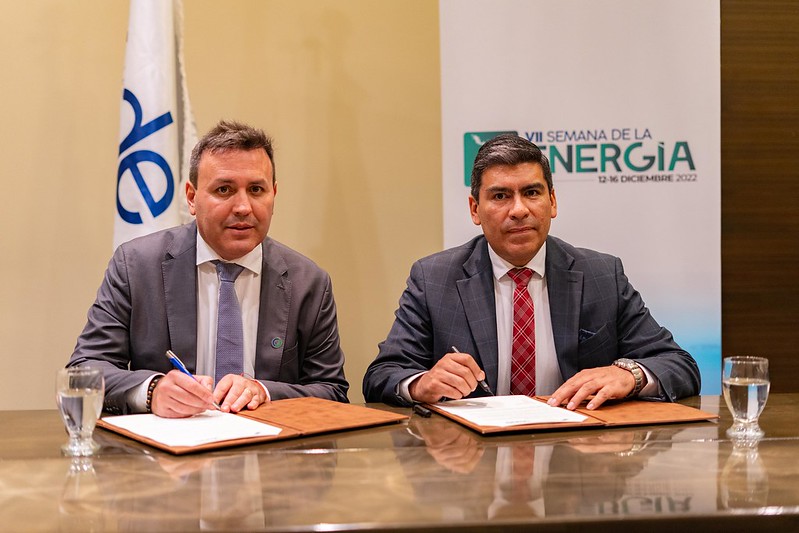
The Latin American and Caribbean Energy Organization (OLACDE) and the Latin American and Caribbean Economic System (SELA) signed a memorandum of understanding to cooperate on integration and regional energy and socioeconomic development.
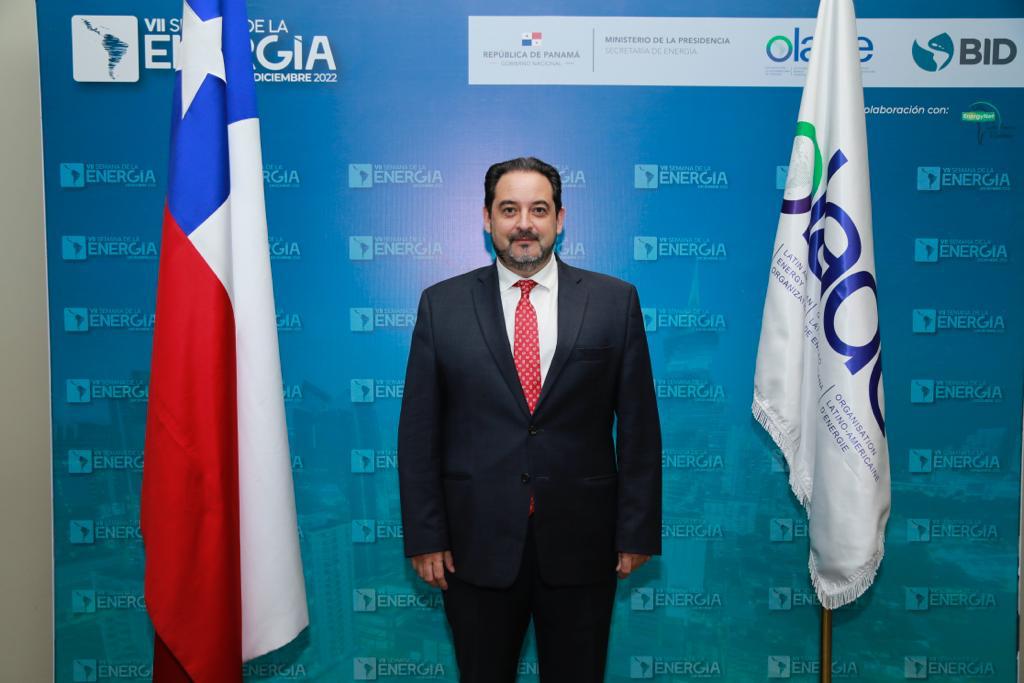
Econ. Andrés Rebolledo Smitmans elected as Executive Secretary of OLACDE for the period 2023-2025
Panama City – Panama.
As part of the LII Meeting of Ministers of The Latin American and Caribbean Energy Organization (OLACDE) and in compliance with the provisions of the Lima Agreement, with 18 votes cast among the 24 Member States present, was elected Econ. Andrés Rebolledo Smitmans, as Executive Secretary of the organization for the period 2023-2025.
The candidate presented by the Republic of Chile competed with the official nominations of Costa Rica and Peru.
The LII Meeting of Ministers of OLACDE urges not to stop the <
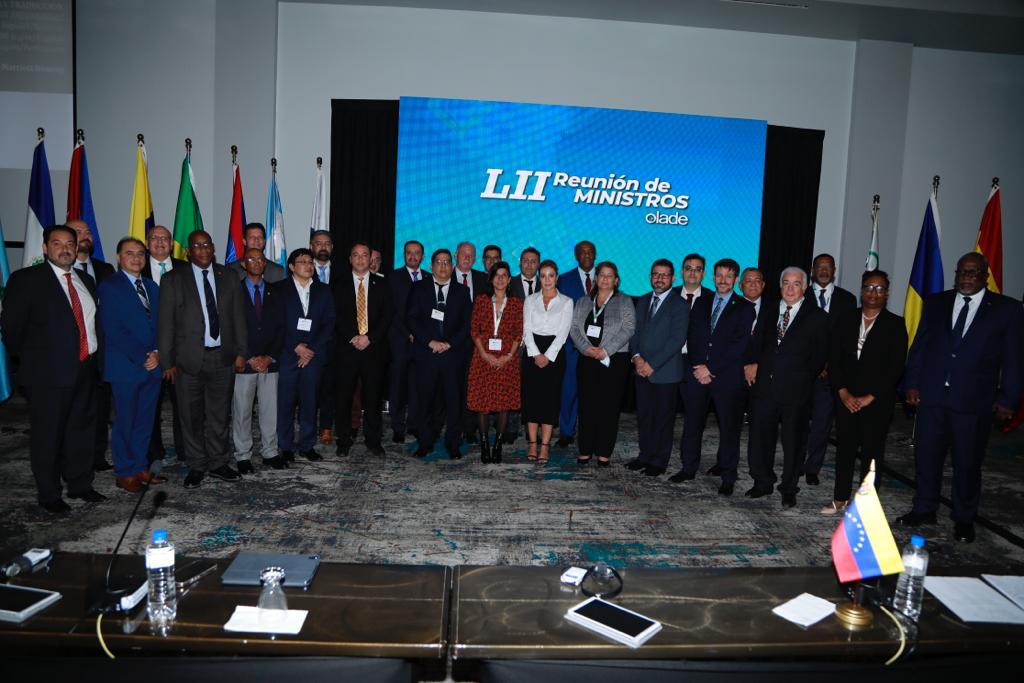
Today, December 15, 2022, within the framework of the seventh edition of Energy Week, the LII Meeting of Ministers of The Latin American and Caribbean Energy Organization (OLACDE) was held, a space where 24 delegations of Member Countries of the Organization participated, where experts applauded the progress of the energy sector in the region, emphasizing the energy transition and the facilities for it.
Successful start of Energy Week in Panama, summit of authorities and leaders of the energy sector in Latin America
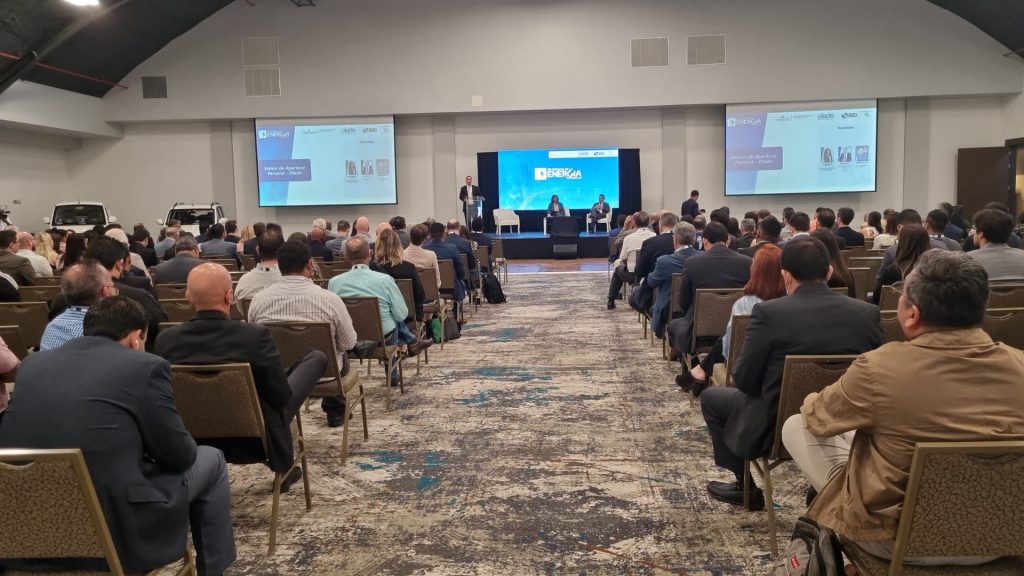
Panama – December 12, 2022.- The Latin American and Caribbean Energy Organization (OLACDE), the National Energy Secretariat of Panama and the Inter-American Development Bank (IDB), with the collaboration of EnergyNet, inaugurated today Monday the Energy Week in Panama City, with the participation of more than 20 delegations from OLACDE member countries and the presence of hundreds of speakers and professionals from different public and private fields and regional organizations.
Energy Week: meet the keynote speakers who will present on innovation, energy transitions and the current global scenario
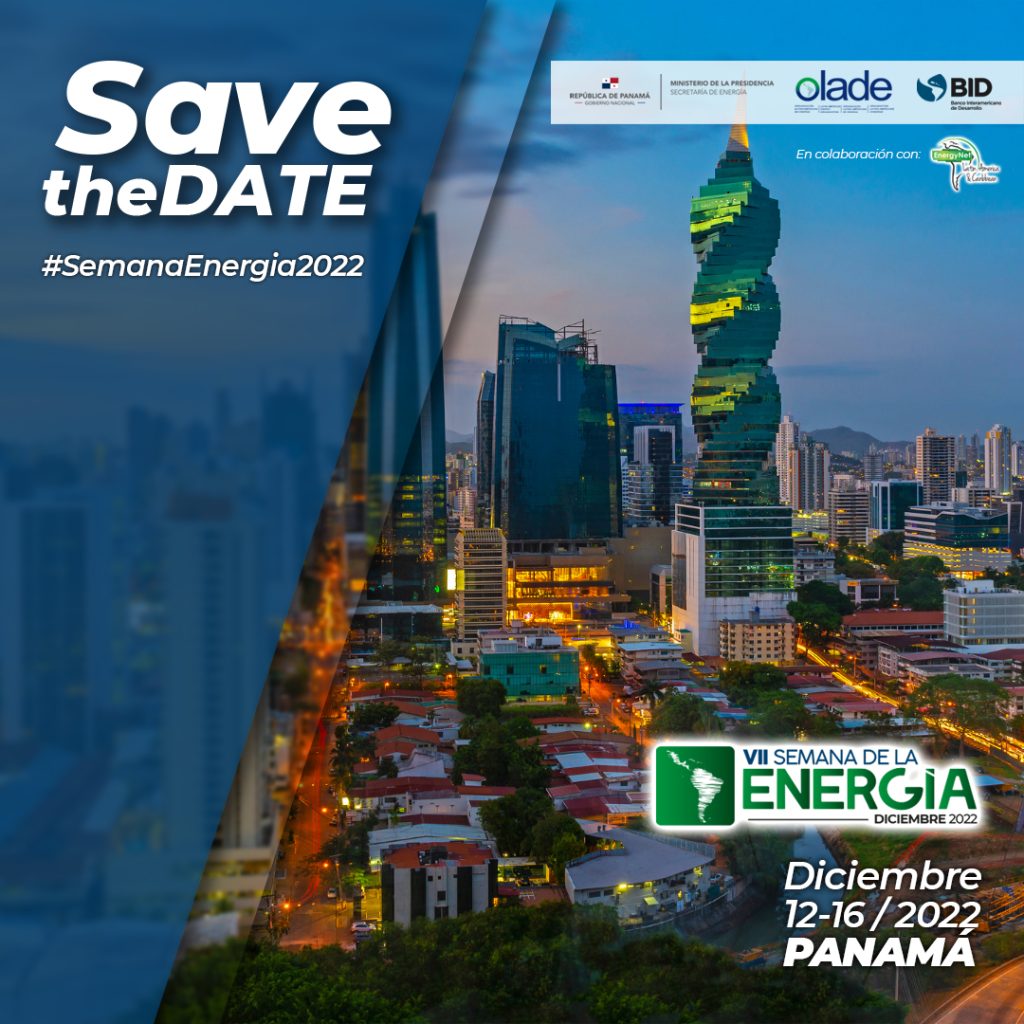
The VII Energy Week, the flagship event of the energy sector in Latin America and the Caribbean, will be held December 12-16 in Panama City, organized by The Latin American and Caribbean Energy Organization (OLACDE), the National Energy Secretariat of Panama and the Inter-American Development Bank (IDB), with the collaboration of EnergyNet.
OLACDE and the Valencian International University sign agreement to promote energy development in Latin America
Both institutions will carry out academic activities and joint research in areas such as energy integration and cooperation, development of renewable energy sources, hydrocarbons, electricity, nuclear energy, energy and environment, energy planning and energy policies.
OLACDE and CEM agree to cooperate in the promotion and strengthening of clean energy development
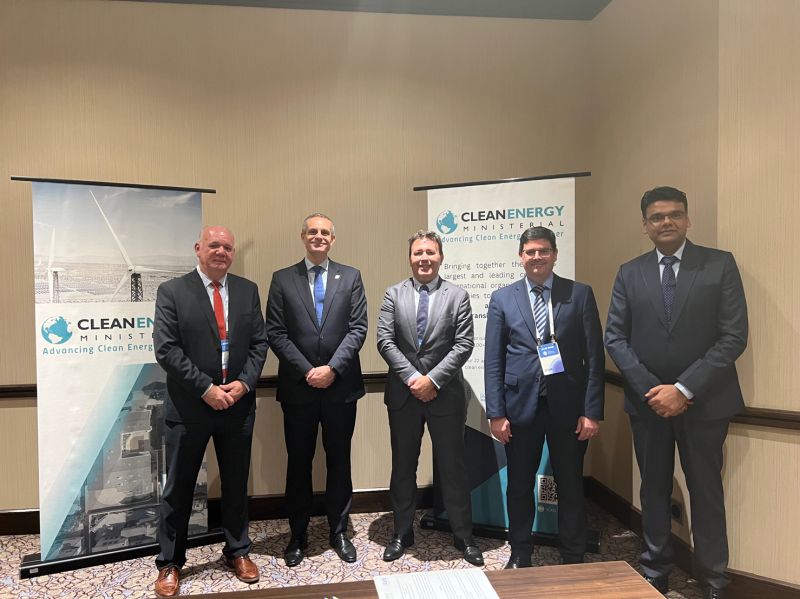
The Latin American and Caribbean Energy Organization (OLACDE) and Clean Energy Ministerial (CEM) signed a memorandum of understanding to cooperate jointly in promoting and strengthening sustainable energy development worldwide.
Stakeholder Dialogue: “The social and economic value creation of the gas molecules in the energy transition”
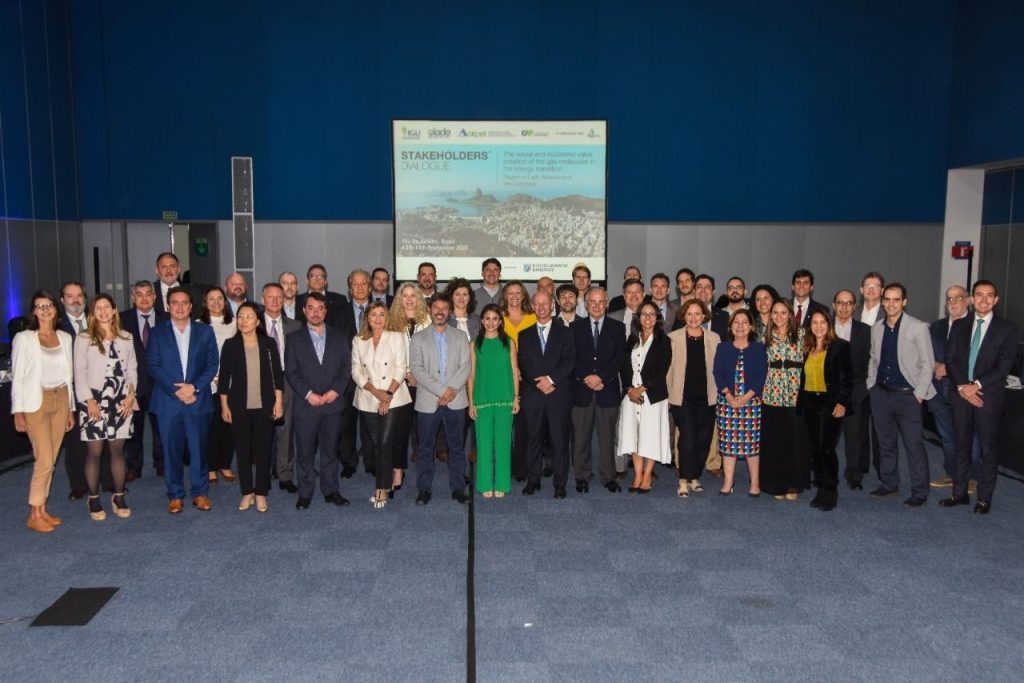
More than 70 energy, finance and government representatives shared opportunities and challenges of gas in the region of Latin America and The Caribbean, contributing to the first “Stakeholder Dialogue”, held in Rio de Janeiro on 13th and 14th September.
The meeting was organized by ARPEL, CAF, OLACDE and IGU with the support of IBP.
OLACDE opens the call for nominations for the position of Executive Secretary for the period 2023-2025
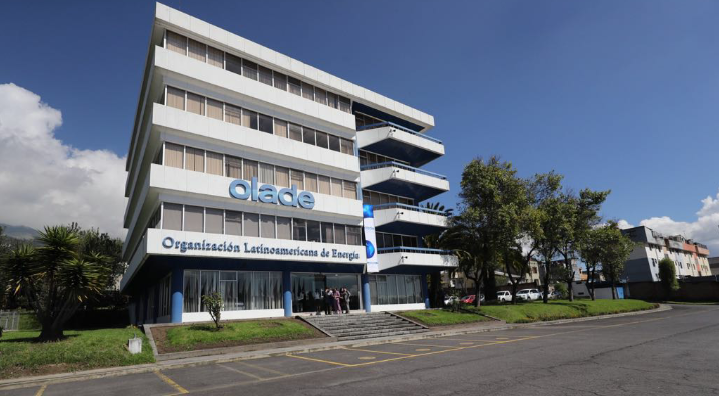
The Latin American and Caribbean Energy Organization (OLACDE) today June 15, 2022, in strict compliance with the provisions of the Lima Agreement, officially announces the call for nominations for the position of Executive Secretary for the period 2023-2025, which will be considered in the election scheduled for the LII Ordinary Meeting of Ministers to be held on December 15, 2022, in Panama City-Panama.
The 7th IEA Global Energy Efficiency Conference was held in Denmark
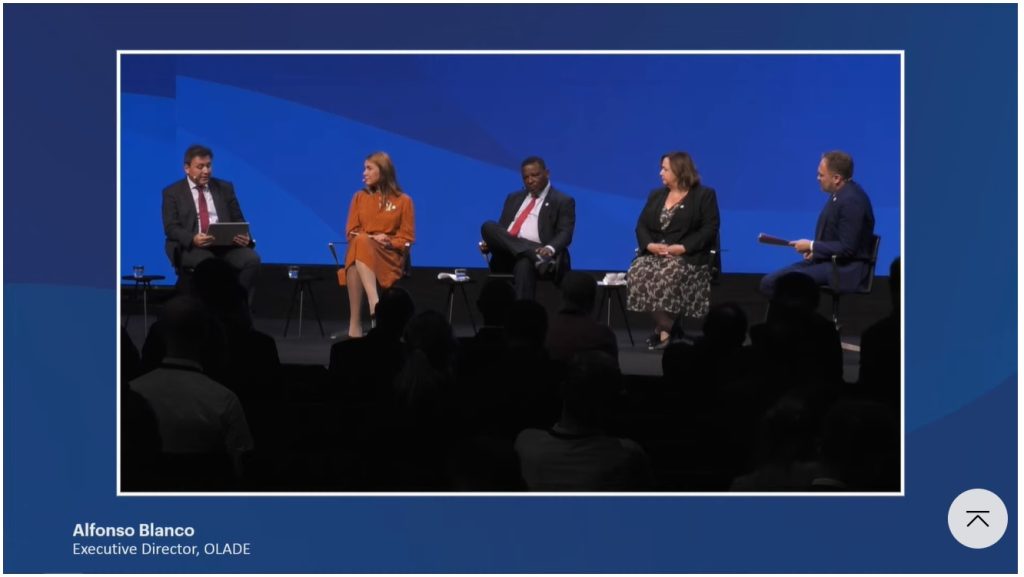
The Latin American and Caribbean Energy Organization (OLACDE) participated in the 7th Global Energy Efficiency Conference of the International Energy Agency (IEA), held in Denmark on June 8, 2022.
