

Executive Secretary of OLACDE participated in the event “Global Energy Interconnection and Transition for the SDGs”
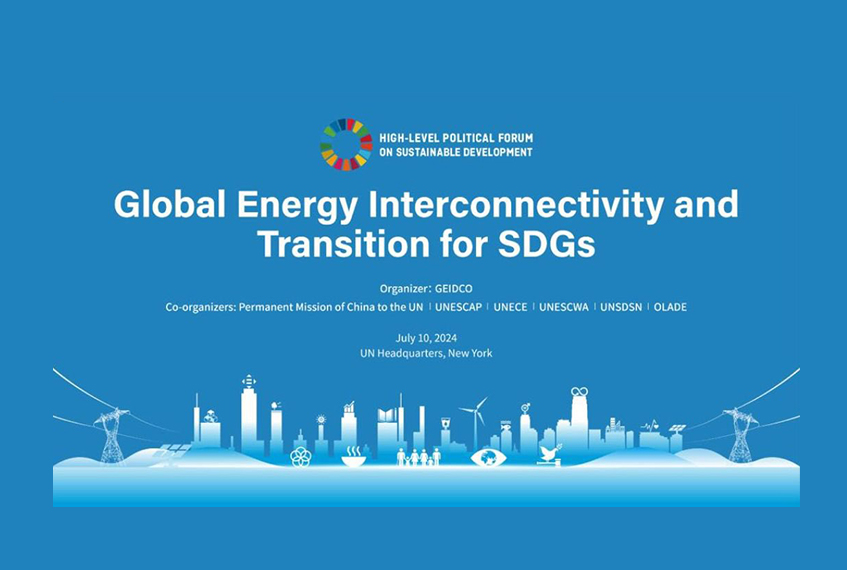
On July 10, the event “Global Energy Interconnection and Transition for the SDGs” was held with the aim of exchanging experiences and showcasing global advancements and success stories in this field.
Bolivia Energy Transition Forum 2050: Transformation with Investments, Technology, and Financing
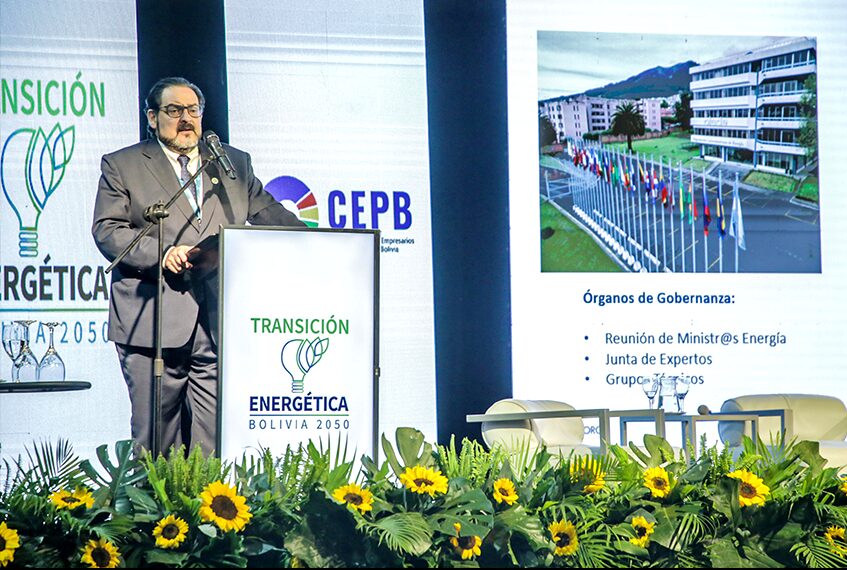
International experts highlighted the initiatives of Bolivia’s Ministry of Hydrocarbons and Energy at the “Bolivia Energy Transition Forum 2050,” a fundamental effort to build long-term policies and establish an energy development model that transcends government administrations.
OLACDE’s Executive Secretary Participated in the OPEC Fund Forum in Vienna
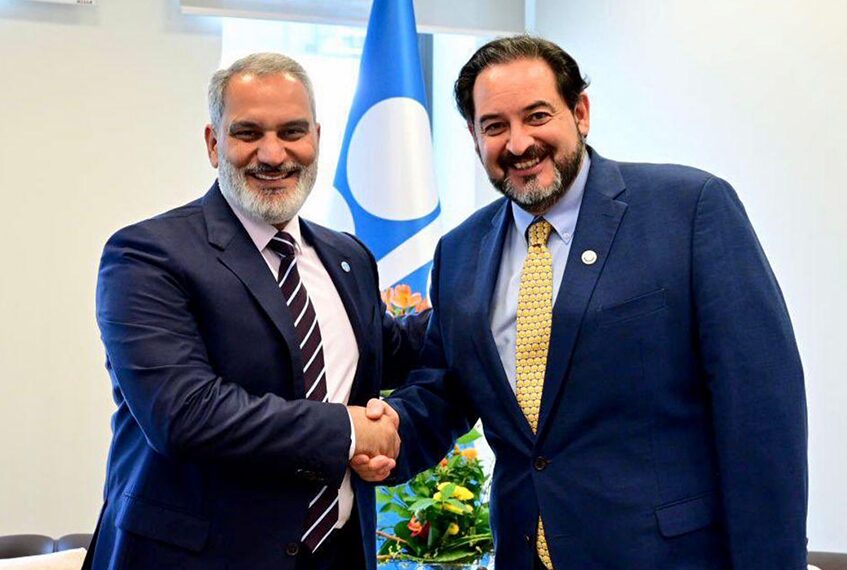
The third OPEC Fund for Development Forum, a global South-South cooperation event, was held in Vienna with firm commitments, the signing of new projects, and partnership agreements. The partners pledged to address urgent global development issues, such as climate change, food security, and the energy transition, and to accelerate progress towards the 2030 Agenda for Sustainable Development.
OLACDE Drives Energy Transition in Ecuador at the Power & Renewable Energies 2024 Forum
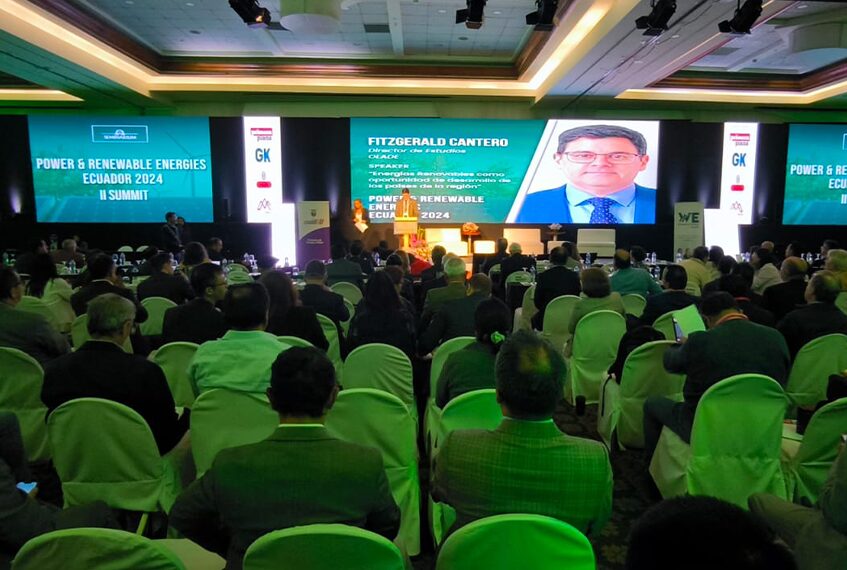
The Power and Renewable Energies 2024 event, organized by SEMINARIUM, brought together over 450 distinguished energy sector professionals in Quito. This forum focused on fostering Ecuador’s commitment to a sustainable and efficient energy transition.
CELAC Energy Ministers Met in Tegucigalpa
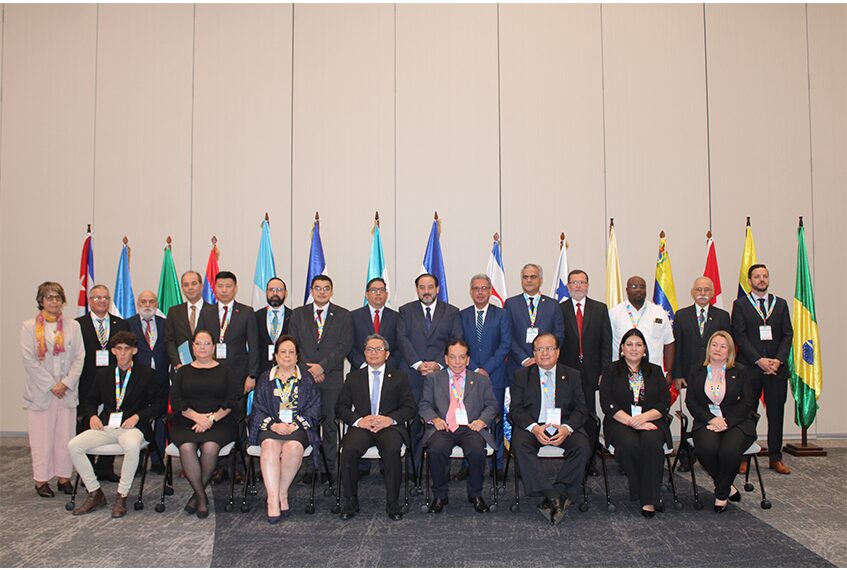
The sixth meeting of Energy Ministers from the Community of Latin American and Caribbean States (CELAC) took place in the Honduran capital. This event served as a platform to evaluate the energy landscape of Latin America and the Caribbean.
Havana hosts the LXI Session of the OLACDE Board of Experts and the meeting of advisors for the Latin American and Caribbean Energy Information System
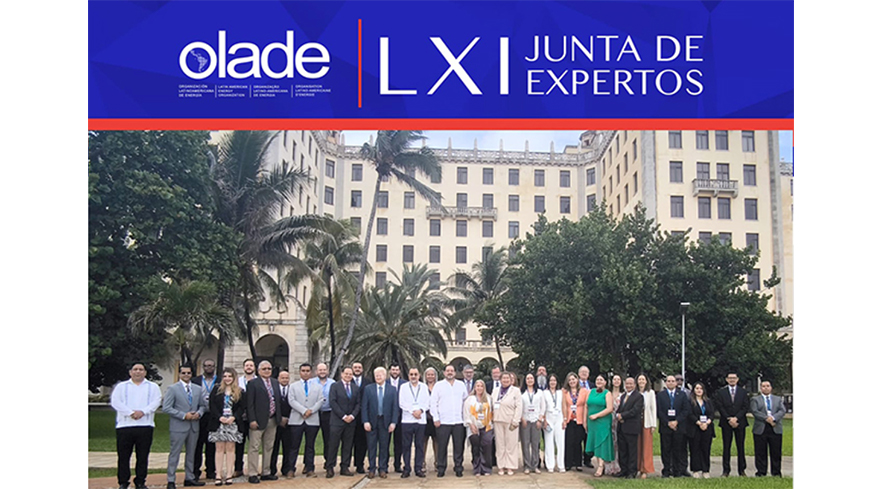
Havana, Cuba, became the focal point of the Latin American and Caribbean energy sector on June 12-13, 2024, by hosting the LXI Ordinary Session of the Board of Experts of The Latin American and Caribbean Energy Organization (OLACDE). This event marked the beginning of preparations for the upcoming LIV Meeting of Energy Ministers of Latin America and the Caribbean, supported by the Cuban Ministry of Energy and Mines (MINEM) and in collaboration with the EU-Cuba experience exchange project, coordinated by the International and Ibero-American Foundation for Administration and Public Policies (FIIAPP/Spanish Cooperation).
Latin American Energy Organization (OLACDE) presents its new Energy Inflation Indicator for Latin America and the Caribbean (IE-LAC)
In March 2024 the monthly energy inflation in LAC was 0.58% and the annual rate 1.96%
Vice Ministers of Energy Meet to Promote Electric Integration in South America
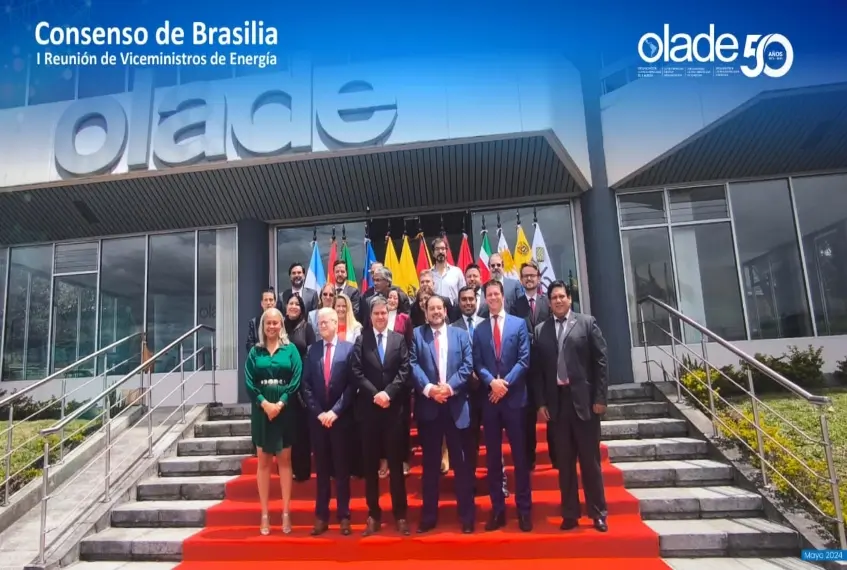
The Vice Ministers of Energy from the twelve South American nations met on May 10, 2024, at the headquarters of The Latin American and Caribbean Energy Organization (OLACDE), within the framework of the Brasília Consensus (CB). This integration initiative aims to strengthen ties between neighboring countries and project South America’s voice on the global stage.
AGENDA OLACDE – GUATEMALA: Momentum Towards Sustainable Energy for Latin America and the Caribbean
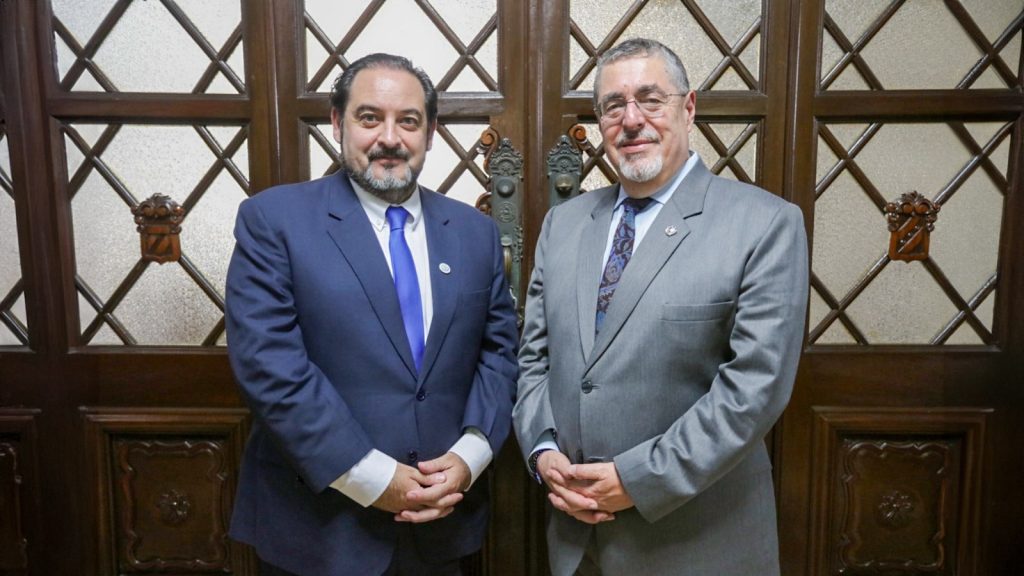
In a series of strategic meetings, the Executive Secretary of The Latin American and Caribbean Energy Organization (OLACDE), Andrés Rebolledo, along with the Director of Integration, Access, and Energy Security, Gloria Alvarenga, conducted an intense work agenda in Guatemala.
OLACDE presents a study on the impact of climate change on the energy infrastructure of Latin America and the Caribbean
In the case of photovoltaic plants, above a threshold of 25°C, if the temperature rises by 1ºC, energy production decreases by 0.66%.
