


Energy Trade Between Latin America – Caribbean and the United States – Effects of U.S. Tariff Increases
This document analyzes the potential effects of increased U.S. tariffs on energy trade between the United States and Latin America and the Caribbean (LAC). It explores the impact on oil and oil product exports and imports in both the short and medium term and evaluates possible economic consequences such as a regional economic slowdown, price […]
Useful Energy Balance (BEU) Manual 2024
For effective sectoral planning, the traditional energy balance requires more detailed information on consumption, including subsectors, usage categories, and equipment efficiency. The Useful Energy Balance (BEU), which measures the energy effectively utilized after accounting for conversion and transportation losses, provides a more accurate view of sectoral energy efficiency and is key to assessing source substitution […]
Paraguay’s 2023 National Useful Energy Balance
Most Latin American and Caribbean countries, including Paraguay, annually prepare their National Energy Balances (BEN) in terms of final energy. These balances present the consumption of various energy sources by socioeconomic sectors but do not provide detailed information on efficiency levels or the specific activities in which energy is used. The BEN methodology allows for […]
Gaps in GHG Inventoris in LAC
This technical analysis document was prepared as part of the technical assistance offered by OLACDE to its Member Countries to help them strengthen their capacity to understand, manage, and reduce their methane emissions in the oil and gas industry through the Methane Emissions Observatory for Latin America and the Caribbean (OEMLAC, for its Spanish acronym) […]
Energy Outlook of Latin America and the Caribbean 2024
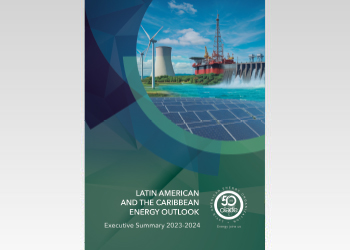
This document is prepared annually by OLACDE and contains the most relevant information on the energy sector of its 27 member countries, as well as global, regional, and subregional data. The information is presented through graphs with data covering the 2000–2023 period. It also includes details on major developments in the energy sector, legislation, regulation, […]
Vunerability and risk of the energy systems of Latin America and the Caribbean in the face of the threats of climate change
The initiatives to decarbonize the energy sector in Latin America and the Caribbean are important and consistent with the global situation and with the international commitments made by the countries of the region to contribute to climate change mitigation. However, the regional impact on this global objective is relatively low, considering that LAC contributes only […]
Study on Critical Minerals in the region
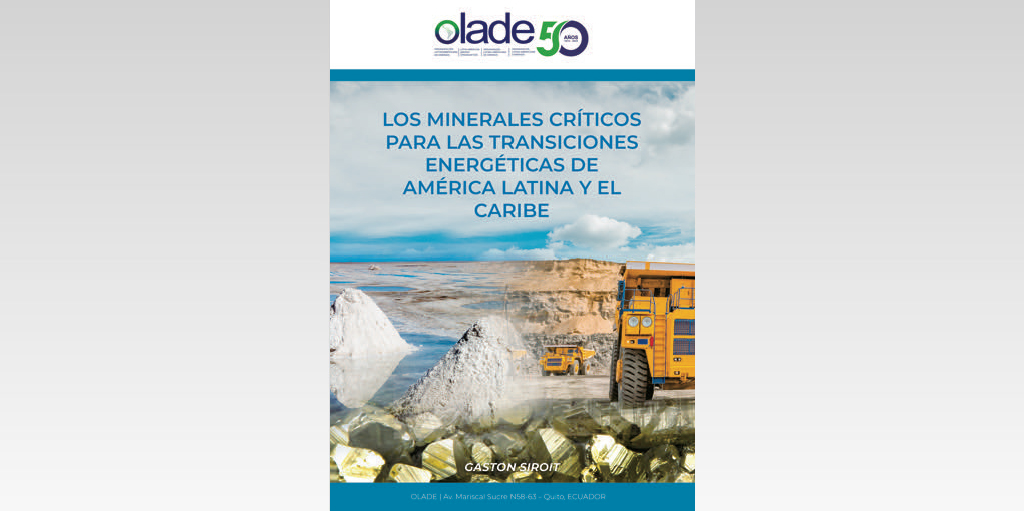
There is no energy transition without minerals from Latin America and the Caribbean. The Latin American and Caribbean Energy Organization (OLACDE) presents this research showing Latin America’s unique contribution to the global market for critical minerals. The critical minerals market in the region is around US$ 180 billion, or 25% of the world market. The […]
Energy Outlook for Latin America and the Caribbean 2023
The publication presents more than 1,000 graphs containing detailed information on the recent evolution of the energy matrices of the 27 OLACDE Member Countries, with the aim of providing the Latin American and Caribbean community with a source of knowledge on the energy profiles of the countries of the region on a common basis. It […]
Paraguay’s 2021 National Useful Energy Balance
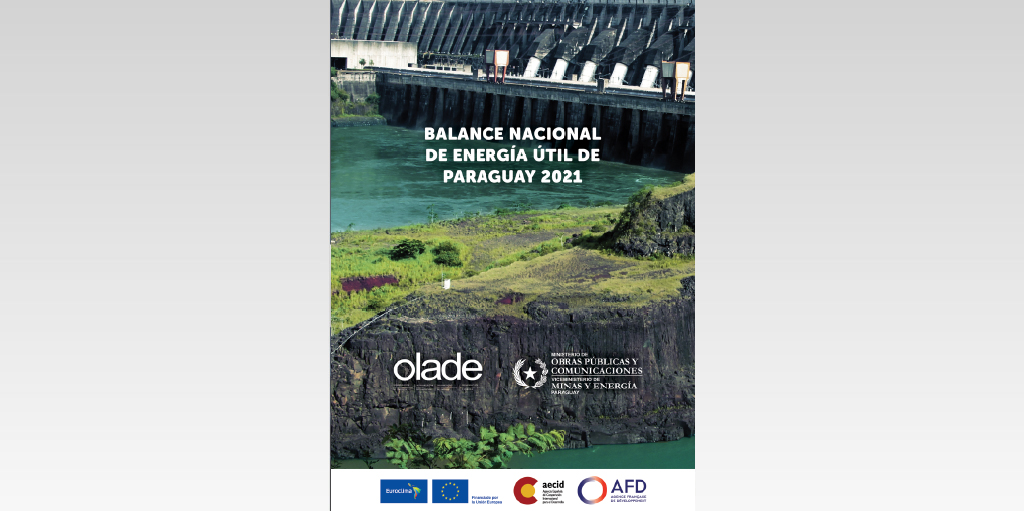
Most countries in Latin America and the Caribbean, including Paraguay, annually prepare their National Energy Balances in terms of final energy (BEN, for its acronym in Spanish), where the consumption of different energy sources is presented at the level of socio-economic sectors without having detailed information regarding the levels of efficiency and specific activities in […]
Panama’s 2021 National Useful Energy Balance
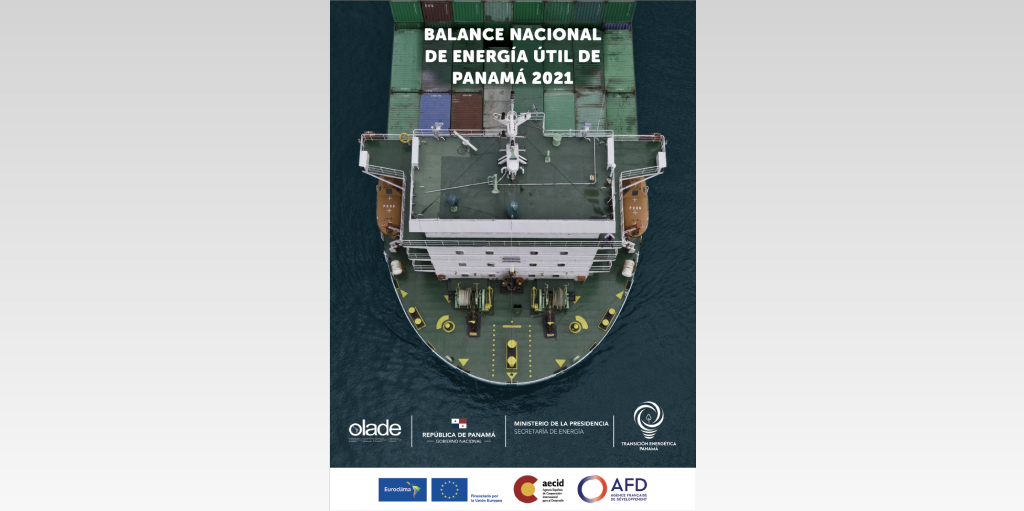
Most countries in Latin America and the Caribbean, including Panamá, annually prepare their National Energy Balances in terms of final energy (BEN, for its acronym in Spanish), where the consumption of different energy sources is presented at the level of socio-economic sectors without having detailed information regarding the levels of efficiency and specific activities in […]
