OLACDE reported that the number of light-duty battery electric and plug-in hybrid vehicles in Latin America and the Caribbean surpassed 1.26 million in October 2026, up 73.5% from the end of 2025. The organization projects that the regional fleet will reach around 1.5 million vehicles by year-end.
Latin America and the Caribbean is stepping up efforts to renew vehicle fleets, improve vehicle efficiency and expand its network of around 40,000 public charging stations, three quarters of which are in Brazil. Regional officials meeting in the Ecuadorian capital concluded that financial and tax incentives are essential to sustaining the growth of electric mobility.
The Latin American and Caribbean Energy Organization (OLACDE) held its First Regional Summit on Sustainable Mobility to mark World Sustainable Transport Day. Delegates from OLACDE member countries discussed progress in electric mobility during the panel Sustainable Mobility: What Is the Region Doing?
The summit followed the release of figures showing that Latin America and the Caribbean had 1,267,090 light-duty battery electric and plug-in hybrid vehicles as of October 2026, up 73.5% from the roughly 750,000 recorded at the end of 2025. OLACDE projects that the regional fleet will reach around 1.5 million vehicles by year-end, double the previous year’s total.
According to estimates presented at the summit, vehicle electrification generates about US$5 million a day in energy cost savings. Based on electricity and fuel prices in October 2026, the use of fully electric buses and light-duty passenger cars represents annual savings of US$1.854 billion. For the current mixed fleet, estimated savings total US$1.674 billion a year.
Incentives, demand and critical minerals
The technical sessions examined financial, technological and production bottlenecks in the transport sector’s energy transition.
Financial incentives (What Incentives Does Sustainable Mobility Need?) — Panelists assessed tax exemptions such as those adopted in Colombia and Costa Rica, as well as green credit lines and fleet leasing arrangements for public transport.
Examples from the field (The New Map of Sustainable Transport) — Participants examined models already in operation that could be replicated, including urban electric buses, low-emission logistics fleets and solar-powered boats connecting Amazonian communities.
Mining value chain (Mobility Starts with Metals) — The discussion focused on the role of lithium, copper, nickel and graphite in batteries, motors and charging infrastructure. Panelists highlighted opportunities for the region to expand mineral processing and component manufacturing, improve supply chain traceability and develop battery recycling.
Multimodal decarbonization (By Land, Sea and Air: Toward Sustainable Transport in Latin America and the Caribbean) — Participants examined solutions for each segment, including electrification of light-duty vehicles and buses, and biofuels and hydrogen for heavy-duty freight. They also reviewed electric vessels for short routes, alternative fuels for long-distance maritime and river routes, and the regulatory, infrastructure and financing requirements for sustainable aviation fuels (SAF).
Data and research (An Academic Perspective on Mobility) — Research centers and universities examined how applied research can inform charging station placement, fleet renewal and the evaluation of public policies.
Institutional support and upcoming host countries
At the opening, OLACDE Executive Secretary Andrés Rebolledo noted that around 70% of electricity generation in Latin America and the Caribbean comes from renewable sources. He highlighted this as a comparative advantage that strengthens the region’s ability to reduce emissions, complemented by its reserves of minerals used in batteries. Fitzgerald Cantero, OLACDE’s Director of Studies, Projects and Information, outlined projections for vehicle fleet growth and the associated energy savings.
Ecuador’s Vice Minister of Electricity and Renewable Energy, Javier Medina, stressed the need for countries to share their experiences to integrate mobility into the energy transition
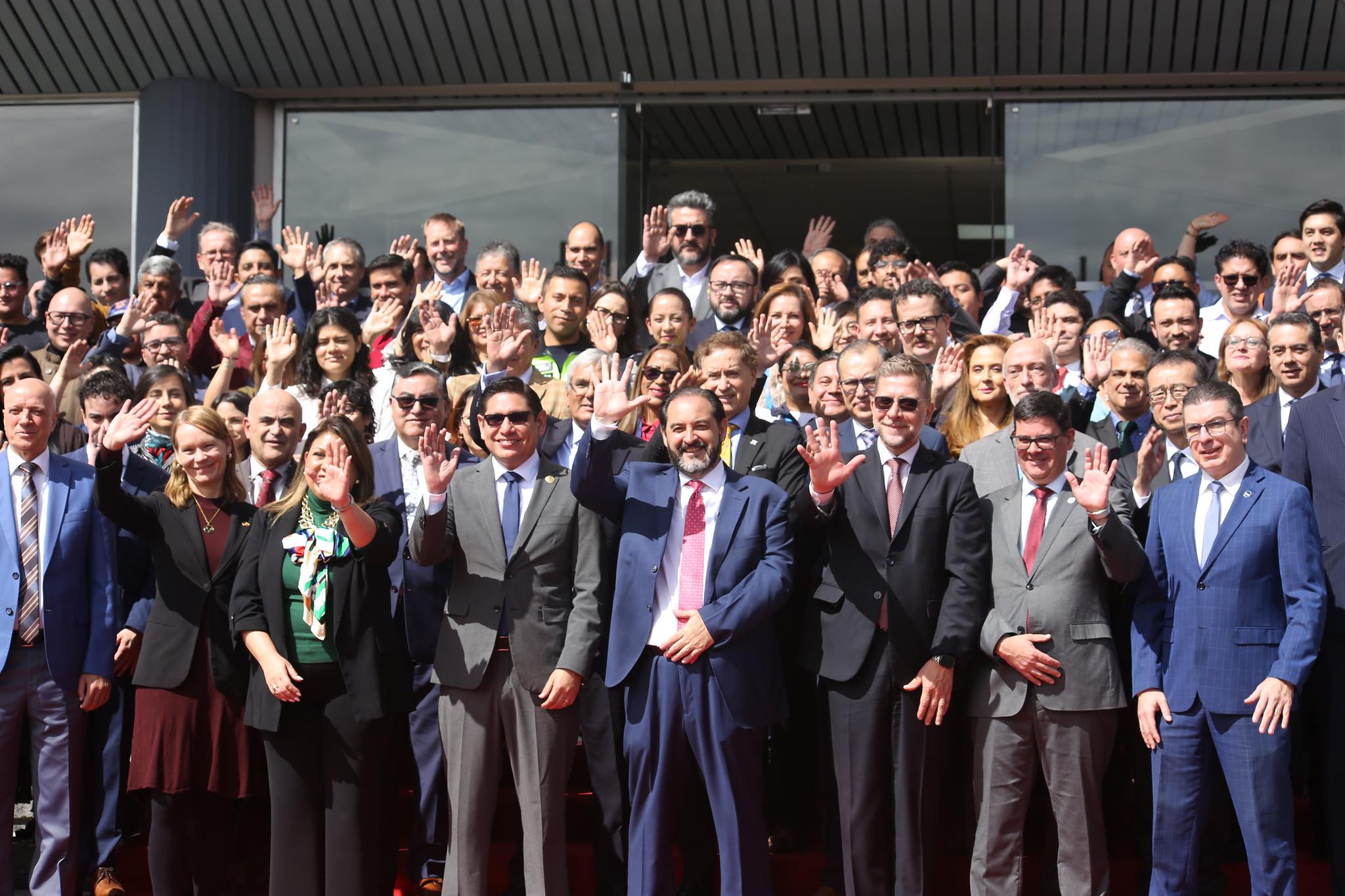
The summit brought together officials and representatives from OLACDE member countries, industry, multilateral organizations and universities in Quito. At the close of the event, OLACDE announced that Chile will host the next Regional Summit on Sustainable Mobility in 2027, followed by Costa Rica in 2028.
Watch the full summit recordings on YouTube.