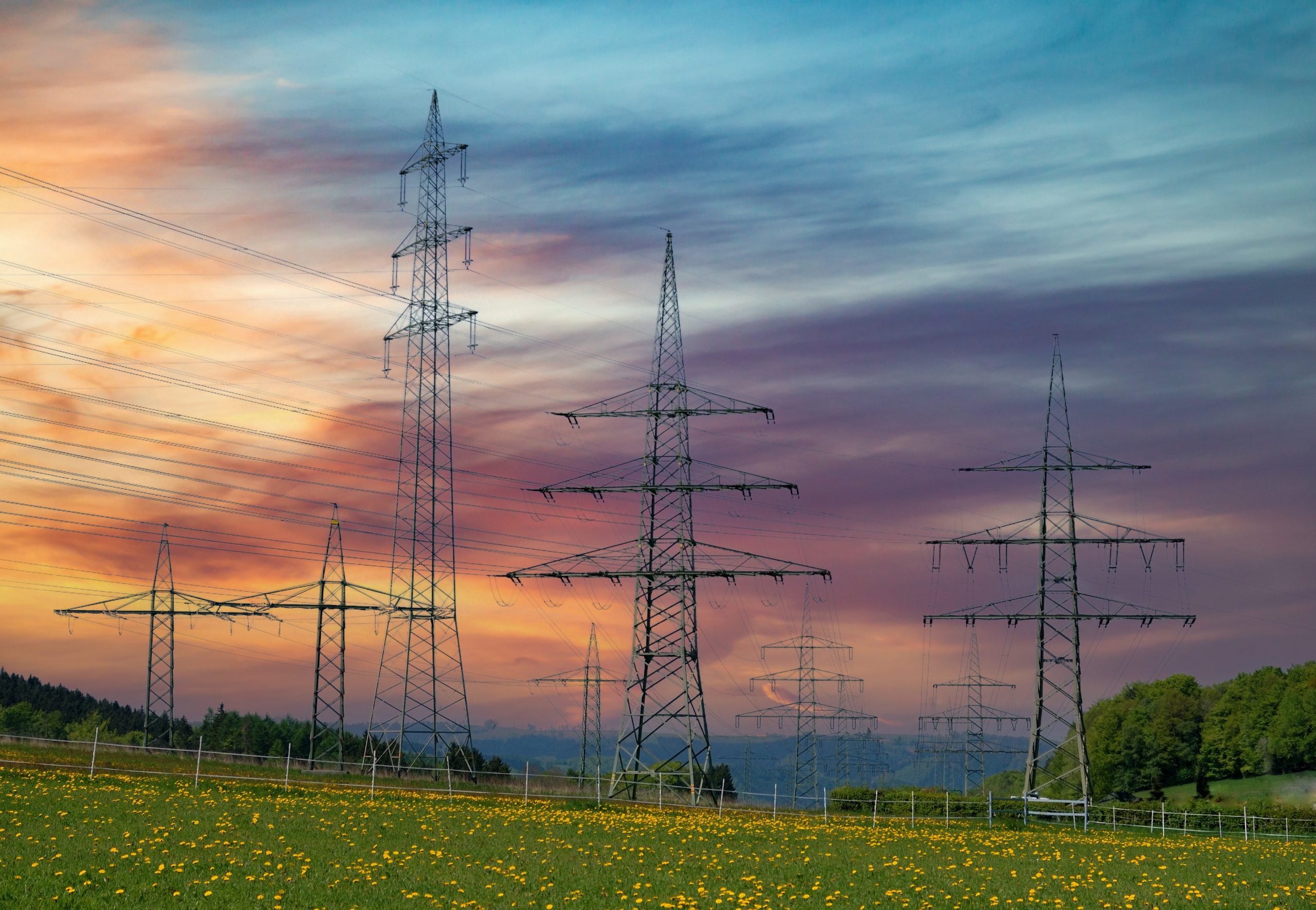
In July 2026, the region generated 169 TWh of electricity, up 3.7% from the same month a year earlier, according to an OLACDE report.
Electricity generation in Latin America and the Caribbean reached 169 terawatt-hours (TWh) in July 2026, its highest level in the past 12 months. The figure represents a 3.7% year-on-year increase from the 163 TWh recorded in July 2025, according to the Monthly Electricity Generation Report published by the Latin American and Caribbean Energy Organization (OLACDE).
Renewable sources accounted for 61.7% of the electricity generated in July, slightly above the 61.5% recorded in June of the same year. Hydropower remained the leading source of electricity, accounting for 44.9% of the total, followed by natural gas at 25.9%. Wind power contributed 10.5% and solar power 4.9%. Wind generation grew by 14% in July, while hydropower increased by 7% and natural gas generation by 6%.
The year-on-year increase in generation was driven mainly by natural gas, which contributed an additional 2.9 TWh compared with July 2025. Solar generation also rose by 1.9 TWh and hydropower by 1.6 TWh. In contrast, bioenergy generation fell by 4.1 TWh and wind generation declined by 0.2 TWh.
Nine of OLACDE’s 27 Member Countries exceeded the regional average share of renewables in July: Paraguay, at 100%; Uruguay, 98.3%; Costa Rica, 98%; Brazil, 90%; Ecuador, 89.7%; Venezuela, 83.5%; Colombia, 75.4%; Belize, 74.9%; and Chile, 65.3%. The report, prepared using data from the Latin American and Caribbean Energy Information System (sieLAC), tracks trends in electricity generation and the composition of the regional electricity mix.
Full report: https://www.olacde.org/wp-content/uploads/2026/10/reporte_18_esp.pdf