OLACDE Fosters Regional Energy Integration with a Common Roadmap for Planning

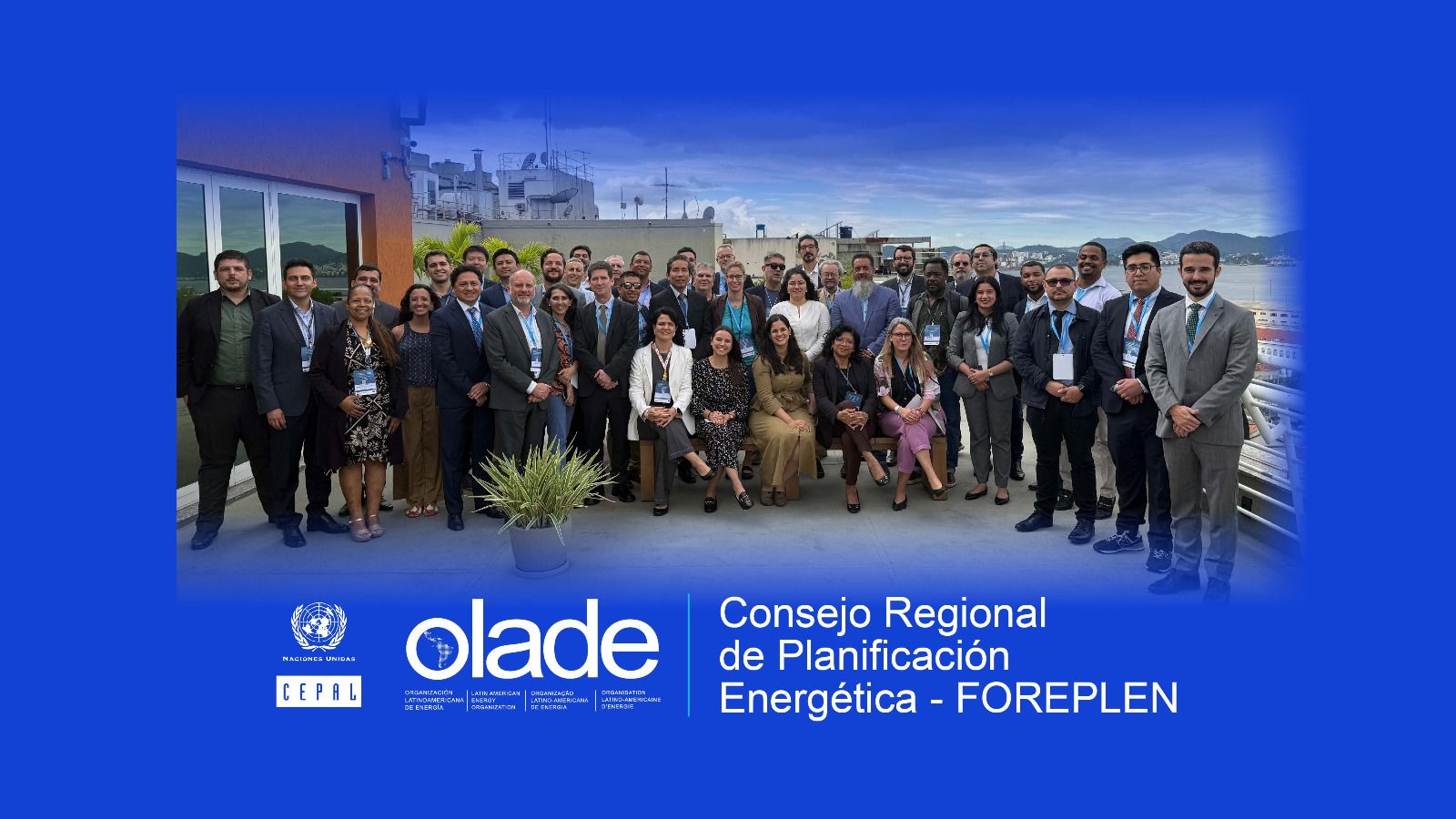
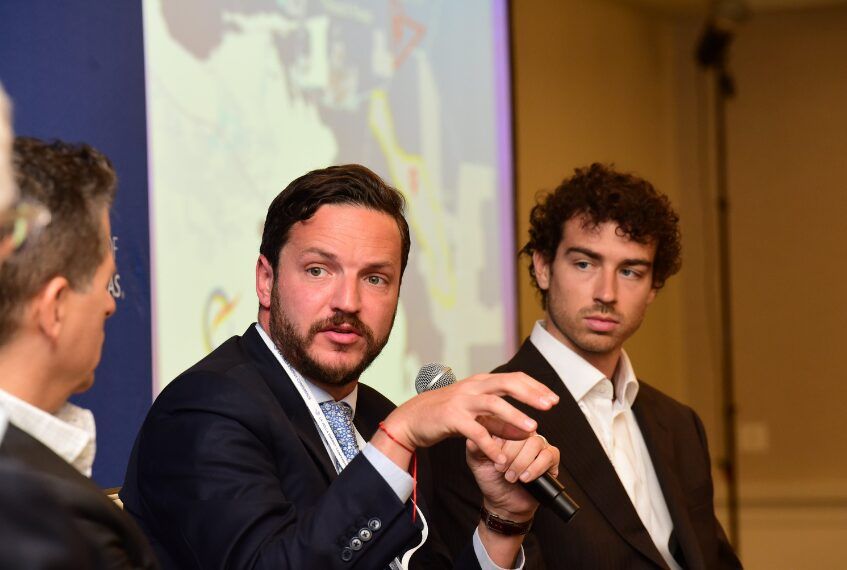
This past June 5 and 6, 20 nations of Latin America and the Caribbean advanced the creation of a common roadmap for coordinated and resilient energy planning, in the context of the II Meeting of the Regional Energy Planning Council and the VIII Meeting of the Regional Forum of Energy Planners (FOREPLEN). These events were organized by the Latin American and Caribbean Energy Organization (OLACDE) and the Economic Commission for Latin America and the Caribbean (ECLAC) at the headquarters of Empresa de Pesquisa Energética (EPE) in Brazil.

The Council, which was established during the IX Energy Week in Paraguay, is consolidating itself as a permanent technical and political platform aimed at harmonizing planning efforts among member states, strengthening institutional capacities, and fostering an energy transition aligned with the commitments of the Paris Agreement. The forum brought together representatives from 20 countries and international organizations such as the International Energy Agency (IEA), the International Renewable Energy Agency (IRENA), GET.Transform, CAF, and CIER. Among the participants were Leandro Albuquerque, Deputy Secretary of Planning and Energy Transition at Brazil’s Ministry of Mines and Energy; Thiago Prado, president of EPE; Martín Abeles, director of ECLAC’s Natural Resources Division; and Mauricio Tolmasquim, founder and first president of EPE.

Guido Maiulini, head of Strategic Advisory at OLACDE, stated at the opening ceremony: “Coordinated energy planning is essential to optimize resources, lower costs, and ensure a just and sustainable transition. From OLACDE, we are creating a regional space that facilitates the exchange of experiences and technical cooperation among countries.” Tolmasquim emphasized the importance of establishing a continuous planning agenda that transcends government cycles. “Coherent planning makes it possible to reduce capital costs, attract investment, and advance strategic projects such as electricity integration with Bolivia,” he affirmed.

During the technical sessions, delegates examined a regional diagnosis based on the energy plans of more than 15 OLACDE member countries. The study revealed progress in energy efficiency, promotion of renewable energy, and universal access, although challenges remain, such as high dependence on fossil fuels and the need to modernize regulatory frameworks and planning tools.

On the technical side, advanced planning experiences were shared from countries such as Brazil (PDE/PNE), Chile (PELP), Colombia (UPME), Mexico (PRODESEN), and Peru (PRUEE 2050), which use integrated models such as LEAP, OSeMOSYS, MESSAGE, and TIMES. Rodrigo Moreno, researcher at the Institute for Complex Engineering Systems (ISCI) at the University of Chile, presented studies indicating that greater regional electricity integration could generate multi-million-dollar net savings, significantly reduce CO₂ emissions, and optimize the use of complementary resources. Projections suggest the region will need approximately 300 gigawatts of additional interconnection capacity by 2045.

Another central topic was the integration of Nationally Determined Contributions (NDCs) into long-term energy strategies, where countries shared strategies and methodologies for aligning their climate commitments with energy planning.

Delegates also worked on developing prospective energy scenarios for the Andean, Southern Cone, and Caribbean subregions, which will help improve the coherence and robustness of national and regional strategies.

The meeting concluded with the preliminary drafting of a regional roadmap aimed at harmonizing planning approaches, reinforcing technical cooperation, and improving the energy sector’s response to climate commitments. In addition, ECLAC presented a methodological proposal to create a regional guide aimed at standardizing sustainable and resilient energy policies.

OLACDE’s Executive Secretary, Andrés Rebolledo, in his closing remarks, emphasized that the Planning Council is a strategic instrument for advancing energy integration in Latin America and the Caribbean. “From OLACDE, we are projecting this work toward a formal framework of regional integration. Our commitment is to keep collectively driving these efforts.”

With these advances, OLACDE reaffirms its commitment to supporting the countries of the region in building more integrated, resilient energy systems aligned with the challenges of the global energy transition.
 

Share this news

OLACDE Fosters Regional Energy Integration with a Common Roadmap for Planning

Newsletter summary

This past June 5 and 6, 20 nations of Latin America and the Caribbean advanced the creation of a common roadmap for coordinated and resilient energy planning, in the context of the II Meeting of the Regional Energy Planning Council and the VIII Meeting of the Regional Forum of Energy Planners (FOREPLEN). These events were […]

Knowledge and Training

We promote advanced technical training programs that facilitate the exchange of experiences, as well as the development of the human and institutional capacities needed to support the energy transformations in our region.

Our academic offering includes executive programs, postgraduate diplomas, master’s degrees, and innovative initiatives focused on topics such as energy transition, conventional energy, renewable energy, e-mobility, and regional integration.

OLACDE creates a regional network focused on energy knowledge that connects governments, young professionals, academics, and sector experts to drive collaborative solutions through technical cooperation and talent development to address future energy and climate challenges.

Technical cooperation and financing

We strengthen South-South and triangular cooperation ties as drivers to accelerate energy transitions in Latin America and the Caribbean. OLACDE brings together efforts among governments, multilateral organizations, academic institutions, and the private sector to mobilize financing, technical capacities, and innovative solutions tailored to our regional reality.

We promote strategic initiatives aimed at directing resources toward projects focused on decarbonization, conventional energy, renewable energy, and energy justice, with the objective of establishing a more efficient, inclusive, and sustainable regional cooperation architecture.

Regional Energy Community

We are building a regional energy community with a global outlook that seeks to position Latin America and the Caribbean as a key player on the international stage. OLACDE strengthens its representation in major multilateral forums related to energy, trade, and climate by fostering strategic alliances and promoting international cooperation.

Through events such as Energy Week, together with new spaces for international dialogue, we promote a collective voice that helps attract financial investment and create new opportunities for sustainable development across our region.

Energy Transition and Strategic Projects

We drive an energy transition based on principles of sustainability, energy security, and social inclusion. OLACDE supports countries in adopting new technologies related to energy efficiency, energy storage, green hydrogen, electromobility, and grid digitalization to accelerate the sector’s decarbonization process.

Our approach also includes promoting strategic projects that strengthen energy resilience at the regional level, contributing to emission reductions while consolidating a cleaner and more competitive energy infrastructure. Initiatives such as OEMLAC position our region as a leading reference in climate innovation and sustainable energy transition.

Energy information and data

We develop regional platforms dedicated to energy information, technical analysis, and strategic data systems that strengthen both public and private decision-making in the sector. OLACDE promotes the digital transformation of the sector through the use of artificial intelligence, georeferencing, and advanced tools for regional energy analysis.

The integration of systems such as SieLAC, together with new regional platforms, allows for the consolidation of reliable and up-to-date technical information, facilitating modern, interoperable, and evidence-based energy planning.

Regional Energy Integration

We promote cooperation in the regional energy sector, focused on collaboration, infrastructure development, and regulatory harmonization, with the objective of strengthening energy security in Latin America and the Caribbean. OLACDE coordinates projects related to electrical interconnection, gas integration, and regional energy planning, seeking to create efficient and sustainable partnerships.

Through cooperation with the governments of our 27 member countries, regional blocs, multilateral institutions, and both public and private stakeholders, we drive strategic initiatives that promote regulatory harmonization and new energy exchange mechanisms, in order to enhance national capacities and accelerate an integrated energy transition at the regional level.