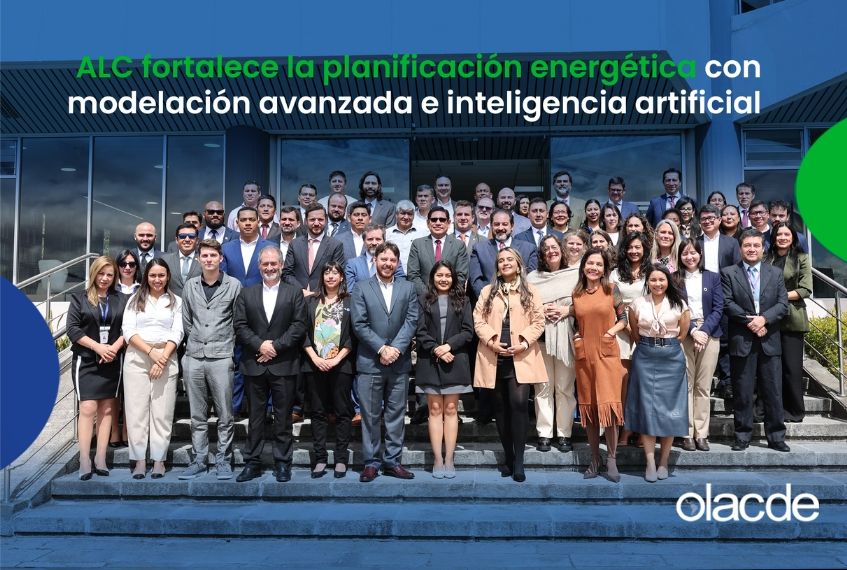
The official presentation of the results of the project “Strengthening Latin America’s capacities to meet international standards for the certification of low- or zero-emission hydrogen and its derivatives for export purposes” took place in Santiago, Chile. The initiative was carried out by the Latin American and Caribbean Energy Organization (OLACDE), in cooperation with the Chilean Agency for International Development Cooperation (AGCID) and the European Union.
The project, launched in January 2025, had as its main objective proposing actions that would enable hydrogen produced in Argentina, Chile, Colombia and Panama to meet international requirements, thereby facilitating its entry into global markets, particularly the European market, where demand for low-emission fuels continues to grow.
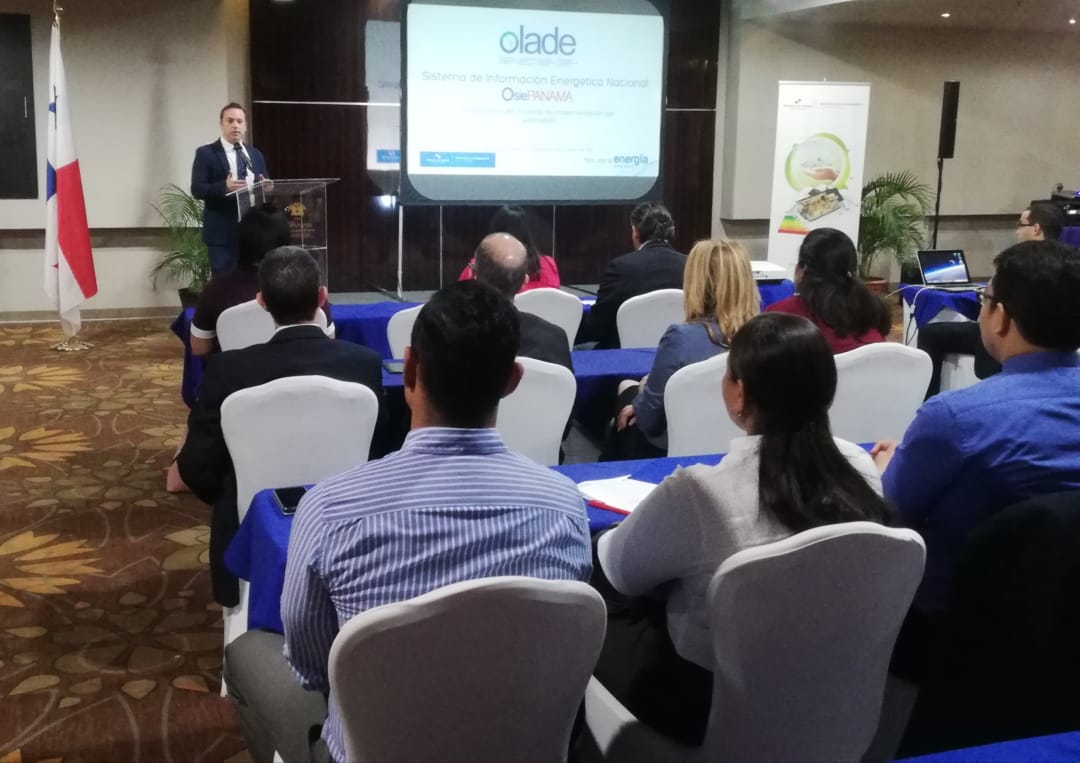
The event featured remarks by Enrique O’Farril, Director of AGCID, and Andrés Rebolledo, Executive Secretary of OLACDE, who highlighted the importance of triangular cooperation as a tool for strengthening capacities, promoting knowledge exchange and advancing toward sustainable energy development in the region. They also underscored the strategic role of green hydrogen in the energy transition, noting that Latin America and the Caribbean has comparative advantages to position itself as a global supplier in an emerging market that demands certification and traceability of low emissions.
During the presentation, the project’s consulting team presented the main progress and findings obtained during its implementation. The initiative worked with the four pilot countries to develop proposals for national certification systems, regional recommendations aligned with international standards, and a virtual platform designed to simulate compliance with the technical requirements demanded by international markets.
Among the most relevant results are a regional and national diagnosis of the state of the hydrogen industry and its roadmaps; the design of certification schemes tailored to each country, taking into account technical, legal and institutional considerations; the identification of gaps and priority actions to strengthen capacities, define competent authorities and ensure traceability and guarantees of origin; and a proposed roadmap to guide the next steps toward advancing certification and facilitating international market entry, particularly in Europe.
This joint effort will enable Latin America and the Caribbean to fully leverage its potential in the production and export of low-emission hydrogen, contributing to energy competitiveness, global decarbonization and the region’s strategic positioning in the emerging green hydrogen market.